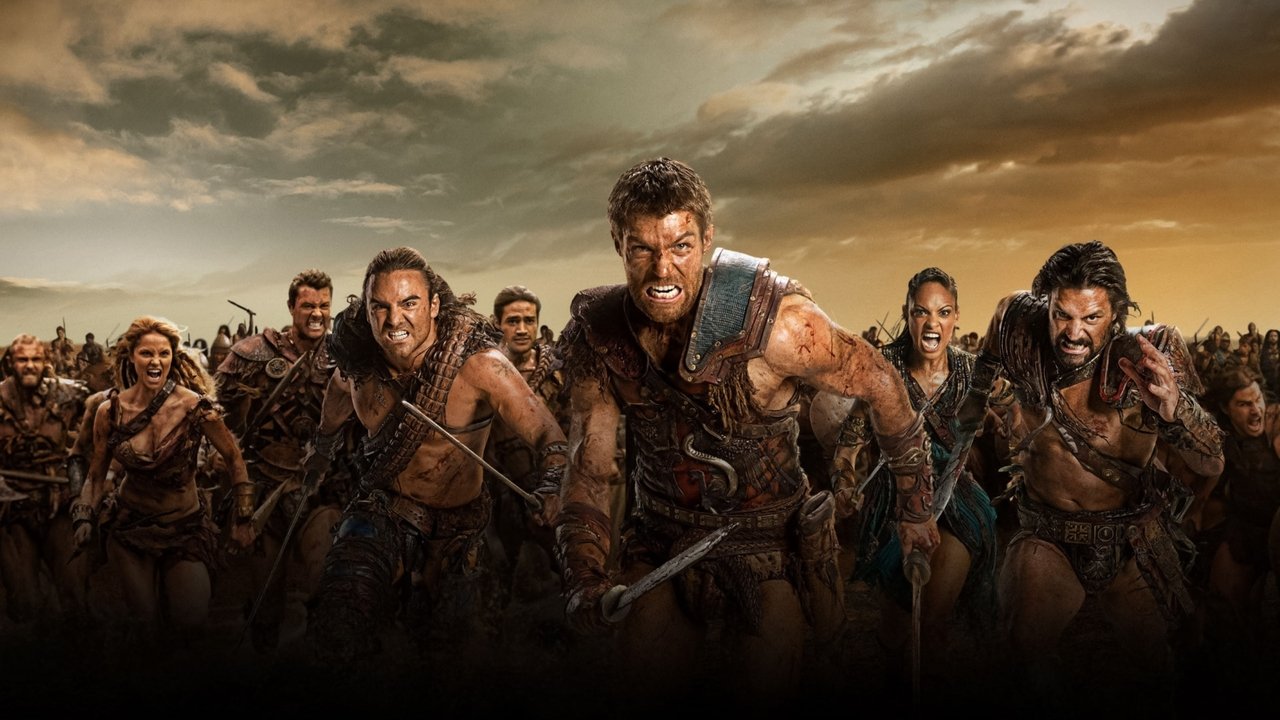
Spartacus backdrop
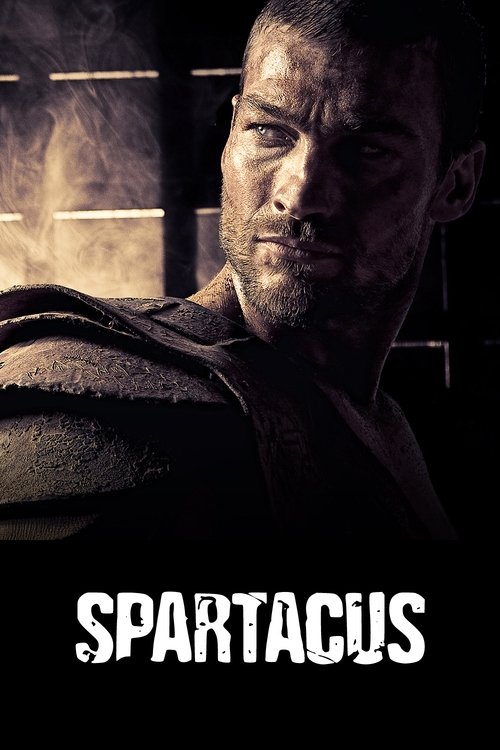
Spartacus poster

Spartacus

8.0
2010
3 Seasons • 33 Episodes
Drama
Watch on Netflix

Overview

Torn from his homeland and the woman he loves, Spartacus is condemned to the brutal world of the arena where blood and death are primetime entertainment.

Sponsored

Trailer

Official Trailer Official

Cast

Reviews

AI-generated review
The Sand and the Sacrifice

I'll be honest: when I first put on the 2010 premiere of *Spartacus*, I was pretty sure I wouldn't make it past episode two. On the surface, it looked like a gaudy mess—green-screen overload, slow-motion decapitations, and enough digital blood to hose down a city block. The whole thing played like a bargain-bin cousin of Zack Snyder's *300*, straining to prove it belonged on premium cable by flinging nudity and severed limbs at the screen every few minutes. I thought I had the show pegged. I was completely off.

Spartacus mid-battle in the arena

What Steven S. DeKnight was really making was much slyer than a pile of cheap thrills. Sure, the sex and the hyper-stylized carnage are there. That's part of the sell. But underneath all that pulp sits a tightly built tragedy about class warfare, exploitation, and the brutal price of human dignity. That's the hook: you show up for gladiators hacking at each other, and somewhere along the way you realize you're watching a furious critique of oligarchs who treat people like disposable poker chips. As Maureen Ryan wrote in her retrospective of the franchise, the series eventually reveals itself as "a cogent exploration of class, power and exclusion, as well as a meditation on different kinds of solidarity." DeKnight knew the drama wouldn't hurt unless you first understood the machinery of the ludus—the gladiator school where men are stripped of their names and rebuilt as property.

The gladiators standing together in the ludus

Look at how the show stages its ugliest moments. The camera keeps dropping us into the grime beside the fighters, forcing us to look up at Roman elites sprawled on their balconies. You can almost smell the stale wine mixing with sweat. Midway through the first season, Spartacus and his rival Crixus (a gloriously arrogant Manu Bennett) are pushed into a savage exhibition match while Batiatus and Lucretia whisper about debts and social climbing only a few feet away. The contrast is disgusting. The fighters drag their battered bodies through the sand, and suddenly the masters' petty money problems feel obscene. The Romans speak in elevated, quasi-Shakespearean dialogue that sounds lovely until you clock what it's actually covering: naked cruelty.

A tense standoff with Roman forces

To get at the soul of *Spartacus*, though, you have to look at the men carrying the sword. Andy Whitfield brought a raw, desperate gravity to the first season that held the whole circus together. He never plays Spartacus like a superhero. He plays him like a man clawing toward his wife with every ounce of strength he has, his whole body tightening whenever he is forced to bow. Whitfield's death from cancer after that first year remains one of television's saddest off-screen stories. When Liam McIntyre stepped into the role for the final two seasons, it felt like an impossible inheritance. But he found his own way in. He didn't chase Whitfield's simmering rage. He gave the part a weary, strategic heaviness instead. By the time the rebellion becomes open war against Rome, McIntyre really does seem to be carrying thousands of lives on his shoulders.

It's still a little strange to call a show this drenched in digital gore moving, but it is. Maybe the series hides its empathy under too much stylized muck. Or maybe that mess is exactly the point. The violence isn't clean, and it isn't noble. It's ugly, exhausting, and finally heartbreaking, because every drop of blood on that sand came from somebody who just wanted to be free.