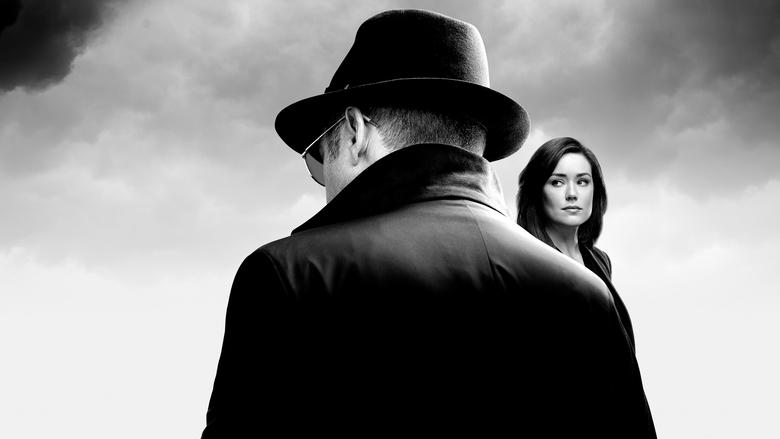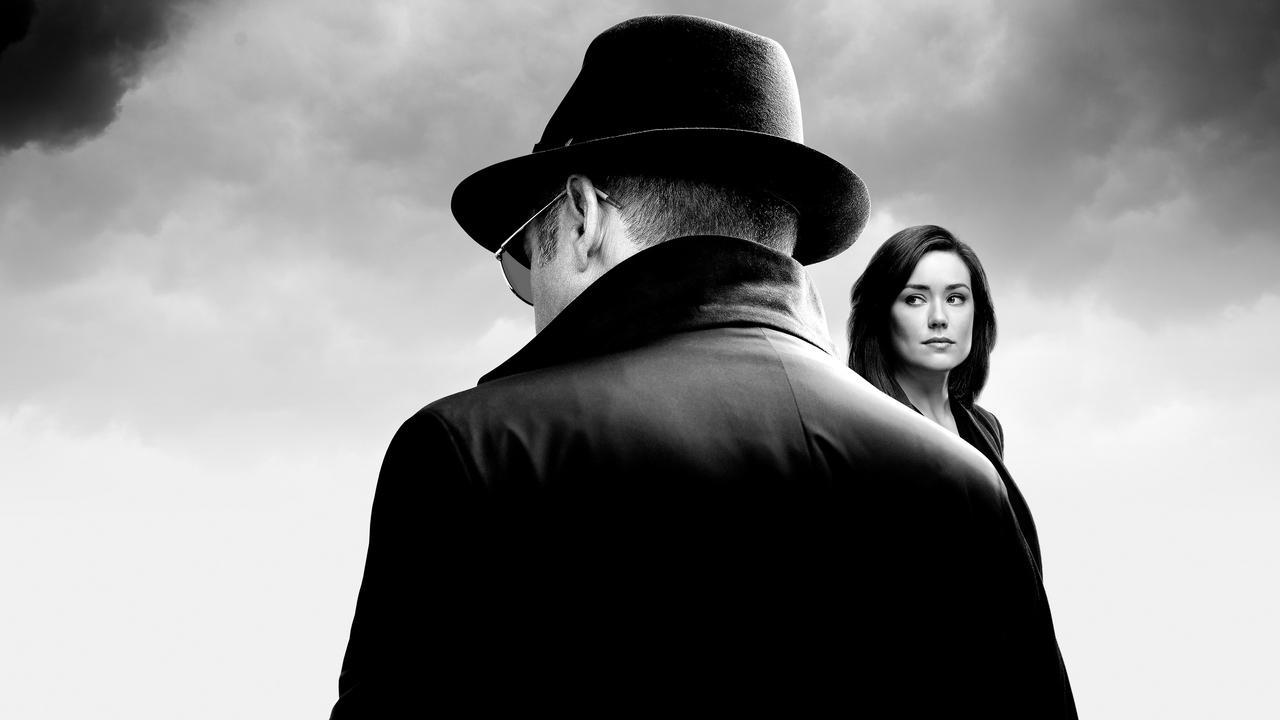
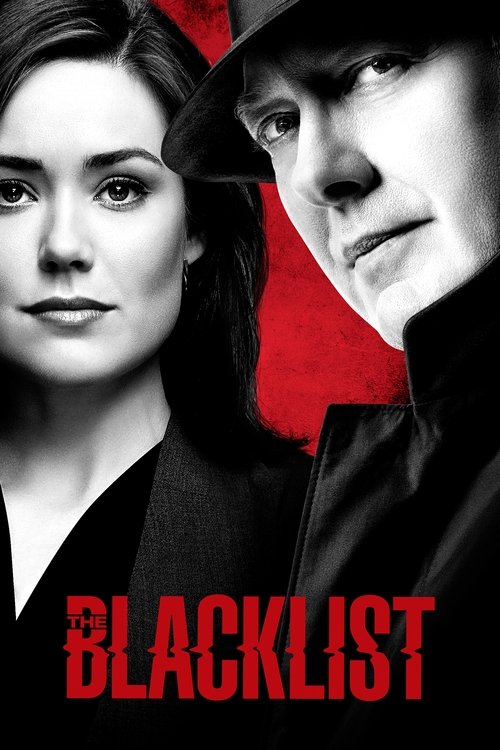
The Blacklist backdrop
The Blacklist poster

The Blacklist

“Never trust a criminal... Until you have to.”

7.6
2013
10 Seasons • 218 Episodes
DramaCrimeMystery
Watch on Netflix

Overview

Raymond "Red" Reddington, one of the FBI's most wanted fugitives, surrenders in person at FBI Headquarters in Washington, D.C. He claims that he and the FBI have the same interests: bringing down dangerous criminals and terrorists. In the last two decades, he's made a list of criminals and terrorists that matter the most but the FBI cannot find because it does not know they exist. Reddington calls this "The Blacklist". Reddington will co-operate, but insists that he will speak only to Elizabeth Keen, a rookie FBI profiler.

Sponsored

Trailer

The Blacklist Official Trailer NBC 2013

Cast

Reviews

AI-generated review
The Sympathy of the Devil

When *The Blacklist* arrived in 2013, I wasn't exactly starving for another network procedural. Television was already crowded with acronym agencies and damaged men staring into moral fog. Then James Spader walked into FBI headquarters, dropped to his knees, and folded his hands behind his head, and suddenly I was paying attention. Jon Bokenkamp's hook—apparently sparked by the real-life capture of Whitey Bulger—is smart because it flips the expected leverage. The FBI has the institution. Raymond "Red" Reddington has the information. That imbalance is enough to power a whole series. Without the actor at the center, though, the machine—the villain-of-the-week formula, the labyrinthine mythology—would have buckled in a hurry.

Raymond Reddington surrendering at the FBI

Spader is the reason the show breathes. Everything else is support structure. He spent years perfecting a very specific flavor of yuppie sleazeball and eccentric creep in films like *Pretty in Pink* and *Sex, Lies, and Videotape*, and he brings all of that cultivated weirdness with him here. As Reddington, he holds himself with near-reptilian stillness, then breaks it with a flourish of the hand or a small tilt of the fedora. He doesn't so much say his lines as savor them, rolling the names of distant cities and luxurious meals around in his mouth before casually ordering someone's death. It's enormous fun to watch. But the performance works because Spader never lets Red become only a showboating monster. The sadness underneath is real, and it keeps the pulp grounded.

Reddington and Liz reviewing a case

The show reaches that balance beautifully in the first season's "Anslo Garrick" two-parter. Red is boxed inside a bulletproof cell at a black site, mercenaries are closing in, and his only company is a badly wounded Donald Ressler (Diego Klattenhoff). Instead of spiraling, he drifts into a soft, wandering monologue about the things he would still like to experience one last time—jazz at the Vanguard, a certain bottle of wine, and then, with his voice suddenly smaller, the desire to sleep the way he did when he was a boy. It's a bruised, lovely piece of acting. The camera mostly stays out of the way and lets Spader's fatigue come through. For a moment, the series stops being a glossy crime puzzle and becomes a portrait of a man worn out by what he's carrying.

A tense standoff in the field

Of course, 218 episodes over 10 seasons will stretch any central mystery until it frays. I'm still not sure the writers always knew how to sustain the question of why Red cares so fiercely about Elizabeth Keen. Spader and Megan Boone carry that push-pull for a long time, but eventually the mythology knots itself into fake-outs, fake deaths, and retcons that feel less intriguing than tiring. The show can also overexplain, especially when the dialogue starts narrating what the images already made clear. Even so, the emotional current survives the mess. *The Blacklist* understands that the allure of great criminals isn't only the crime. It's the fantasy of life outside every rule, and the loneliness that fantasy leaves behind. That's the part that sticks.

Clips (1)

Reddington surrenders himself to the FBI