Tom Rosenthal
Marcus

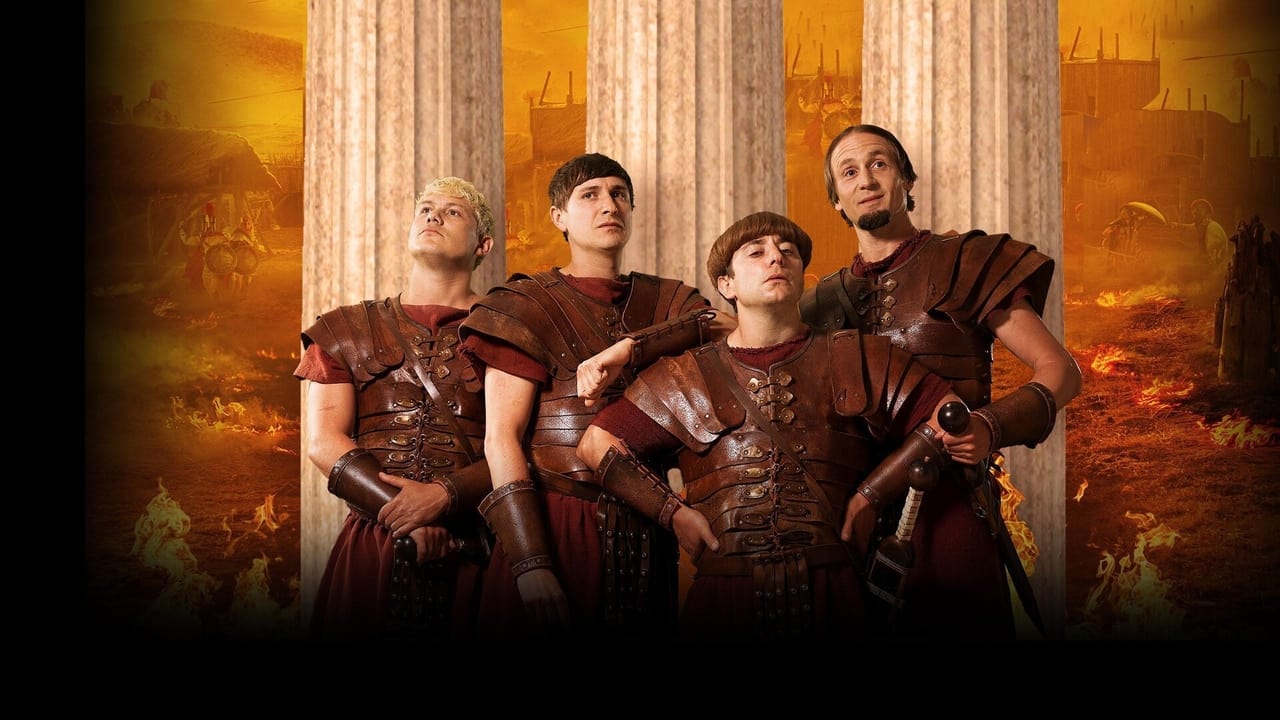
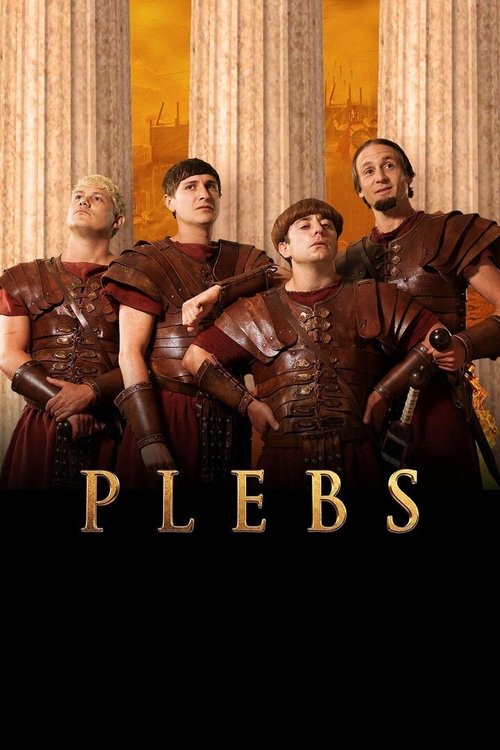
Sitcom about three desperate young men from the suburbs who try to get laid, hold down jobs and climb the social ladder in the big city - which just happens to be ancient Rome.
There’s a particular joke engine in Plebs that I kept admiring: the show takes Rome, that grand museum of empire and marble certainty, and shrinks it down to the size of a rented room above a bakery, a job you hate, and an evening you’ve already managed to ruin by 7:30. That contrast does a lot of heavy lifting. Ancient Rome in most movies arrives wearing a cape and speaking in proclamations.
Here it mostly arrives in a haze of cheap wine, bad decisions, and administrative misery. I’m not sure any sitcom has been more committed to the dignity of being stuck.
What makes the series last is that it isn’t really interested in “Rome” as history lesson. It’s interested in Rome as a workplace comedy, a dating nightmare, and a place where status is everything until it suddenly isn’t. The setup is simple enough to fit on a napkin: three young men from the suburbs try to get laid, keep jobs, and claw their way into a social order that keeps moving just as they reach for it.
But the show’s real trick is that it understands how little that premise has to do with antiquity. You could move these characters to a call centre, a warehouse, or a bad share house in the present day and the emotional weather would barely change. That’s why the jokes land.
The toga is just the costume on the same old humiliation.
The comedy, at its best, comes from deadpan precision. Plebs doesn’t usually overplay its jokes; it lets a bad idea unfold with the confidence of someone who has no idea how bad it is. The rhythm matters. A scene will begin with a small, practical concern — money, sex, a job, a favor — and then, almost casually, descend into a chain of social embarrassment.
I kept thinking about how much the series depends on timing rather than flamboyance. It has the confidence to hold a pause after a line that should not have been funny, and that pause becomes the punchline. The ancient setting helps, of course, but it’s the plainness of the delivery that makes the period absurdity feel earned rather than decorative.
Series
Related series ranked by rating and popularity.