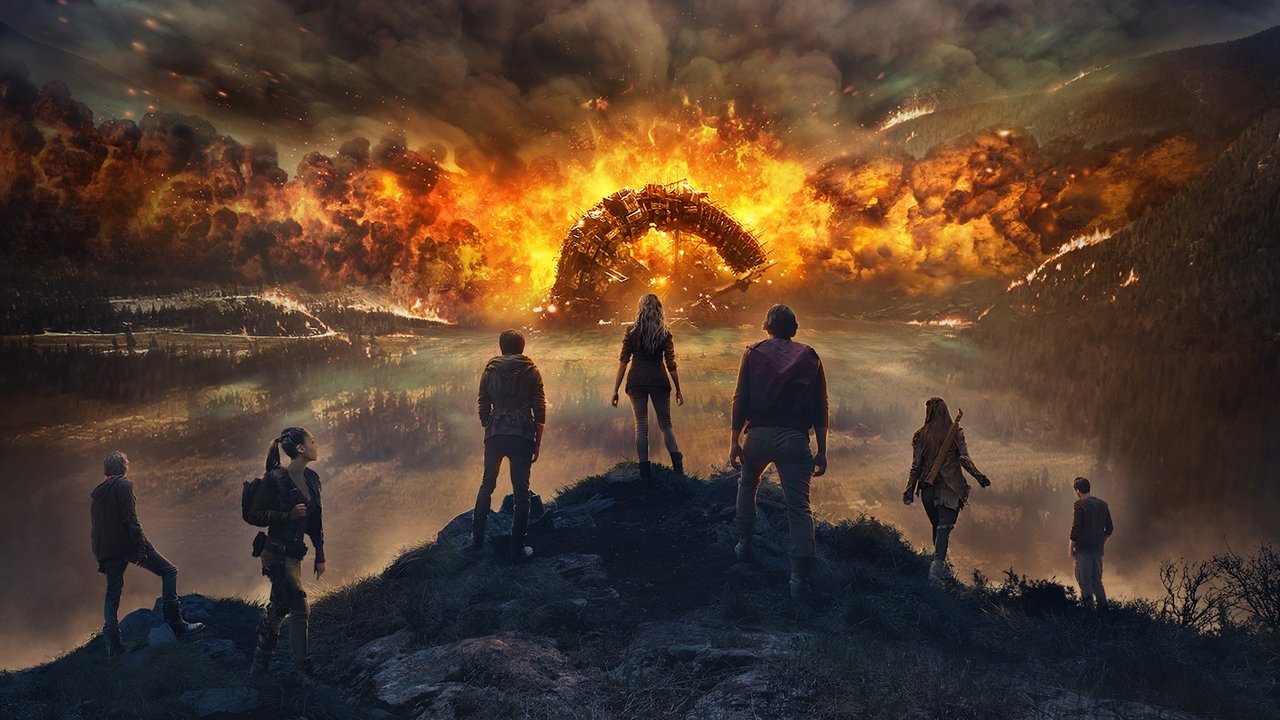

The 100 backdrop
The 100 poster

The 100

“Survival isn't who you are. It's who you become.”

7.9
2014
7 Seasons • 100 Episodes
Sci-Fi & FantasyAction & AdventureDramaCrime

Overview

100 years in the future, when the Earth has been abandoned due to radioactivity, the last surviving humans live on an ark orbiting the planet — but the ark won't last forever. So the repressive regime picks 100 expendable juvenile delinquents to send down to Earth to see if the planet is still habitable.

Sponsored

Trailer

The 100 - Official Trailer Official

Cast

Reviews

AI-generated review
The Burden of Surviving

When *The 100* showed up on The CW in 2014, I figured I knew exactly what it was. The setup practically screamed post-*Hunger Games* opportunism: beautiful teenagers, a scorched Earth, and a lot of network-approved angst in the woods. You could almost smell the Abercrombie & Fitch body spray drifting through the radioactive trees. Then the first season kept going. A child gets murdered. A kid gets hanged in a panic. Suddenly the gloss cracks, and you realize this thing is meaner and more serious than the sales pitch suggested.

The dropship landing on a radioactive Earth

Jason Rothenberg clearly understood the bait-and-switch he was pulling. He brings viewers in with love triangles, then starts hammering them with utilitarian ethics. (I still wonder how many parents realized their teenagers were basically getting a weekly crash course in Thomas Hobbes.) The premise stays simple and nasty: the last of humanity lives on the Ark after a nuclear holocaust, the oxygen is running out, and the adults send 100 juvenile delinquents to Earth as test subjects. The adults assume they won't survive. The kids think they've been handed freedom. Both groups are wrong.

What I like most about the show's visual language is how fast it lets the world rot. Early on, everything has that glossy, slightly overlit CW polish. But as the series moves through its seven seasons, the palette turns to mud. The camerawork gets shakier and tighter. You start feeling the grit under everybody's nails. The sound design helps too: rustling leaves, war drums somewhere off in the distance, a branch snapping in the dark at exactly the wrong time. The whole show wears you down physically, which is the right sensation for a story about survival chewing people to pieces.

A tense standoff in the overgrown ruins of Earth

The moment that permanently reset my expectations comes at the end of season two. Clarke Griffin, who is supposed to be our hero, winds up in the control room at Mount Weather, the bunker holding the last "civilized" humans. To save her own people, she has to pull a lever that floods the place with radiation and kills hundreds of innocents, including children who tried to help. The show doesn't soften it. The camera hangs on her hand over the console, she pulls it, and the silence afterward is awful. We watch bodies drop on the security feeds. It's not a victory. It's a mass execution. The point lands hard: sometimes surviving means becoming the thing you were terrified of.

That scene works because Eliza Taylor can carry the moral weight of it. The network apparently had a hard time finding their Clarke until Taylor's audition tape showed up, and then the part clicked. Across the series she turns trauma into something visible in the body. By season three, she no longer stands the way she did in season one. Her shoulders cave inward, like she's literally hauling the dead around with her. Bob Morley matches her beautifully as Bellamy Blake. He can say almost nothing and still let you watch a whole argument pass across his jaw. Together they make leadership look less like glory than a terminal illness.

Clarke walking through the glowing City of Light

I'm not sure the series keeps this balance all the way to the end. Later on the machinery gets crowded—mind drives, cryo-sleep, anomalous planets, all of it. But the emotional center stays surprisingly steady. IGN's Eric Goldman praised Taylor's work in that brutal second season, noting how she showed "Clarke's tremendous amount of inner strength and natural leadership skills, as she was forced to make calls that always came with a huge price." That price is the show.

We like to imagine we'd stay decent if the world collapsed around us. *The 100* doesn't buy that fantasy. It keeps arguing that morality is easiest for the safe and the well-fed. The series is messy and sometimes too ambitious for its own good, but I keep coming back to those blood-smeared faces turned toward the sky. They aren't just asking whether they can survive. They're asking whether they still deserve to.