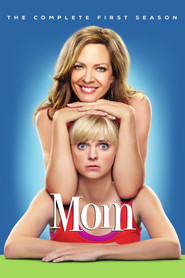
Season 1
22 episodes Sep 23, 2013 7.1
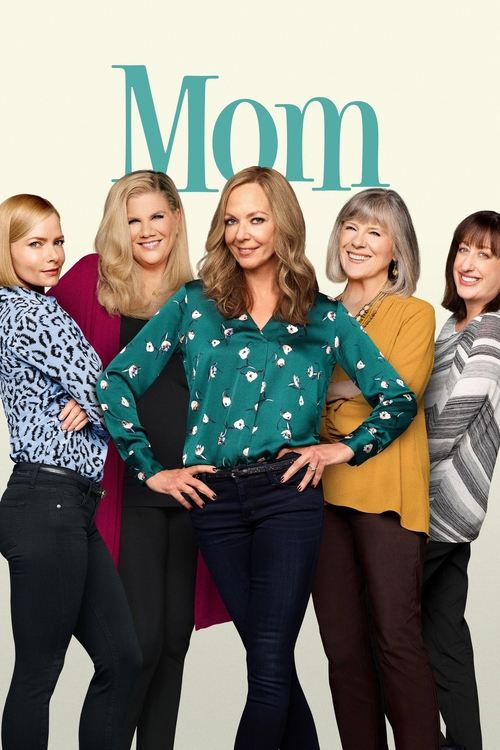
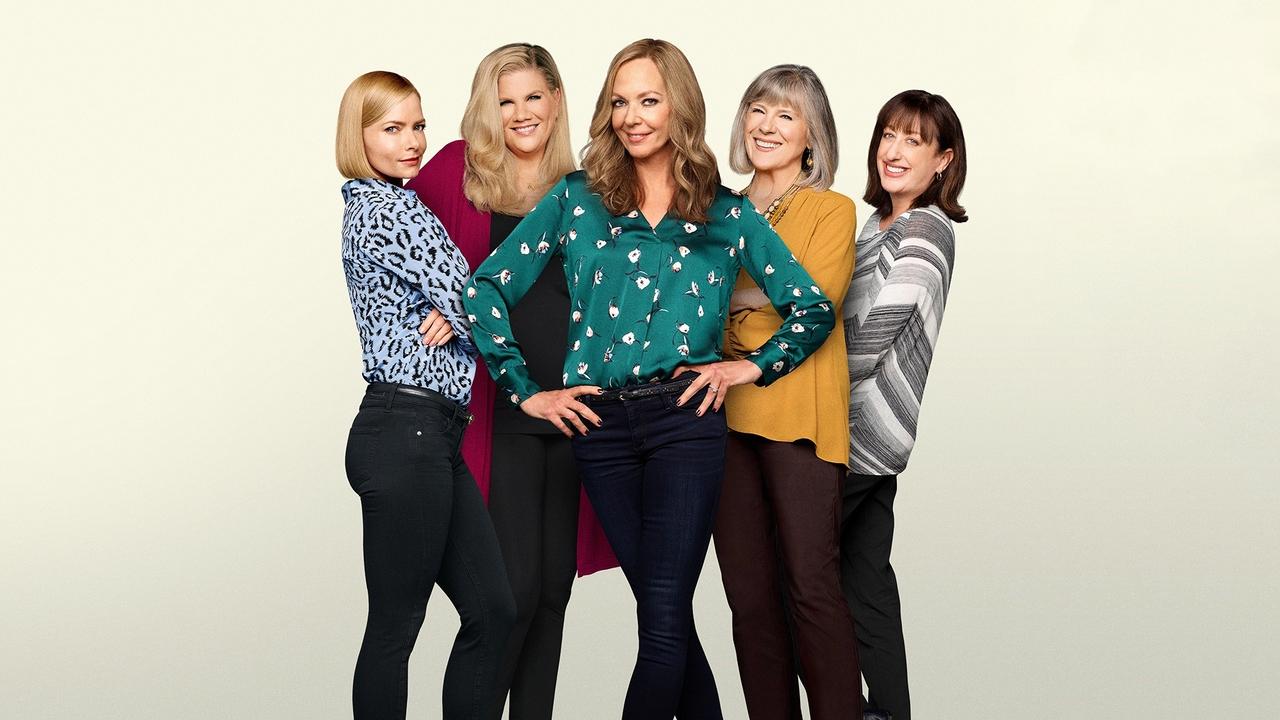
Aan irreverent and outrageous take on true family love‐and dysfunction. Newly sober single mom Christy struggles to raise two children in a world full of temptations and pitfalls. Testing her sobriety is her formerly estranged mother, now back in Christy's life and eager to share passive-aggressive insights into her daughter's many mistakes.
Latest episode: S8 E18 My Kinda People and the Big To-Do (May 13, 2021)
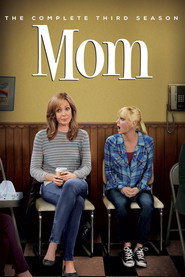
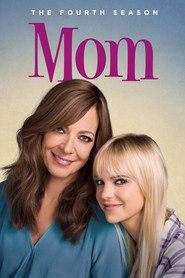
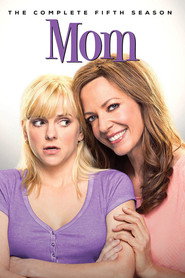
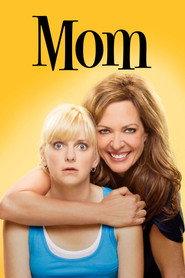
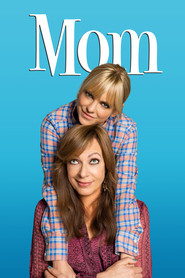
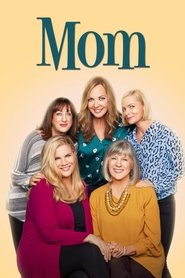
There is a specific rhythm to a Chuck Lorre sitcom that I usually find exhausting. You know the cadence before the actors even open their mouths—setup, beat, punchline, roar of the studio audience. latestnetflix.com's read is that when Mom debuted in 2013, it wore all the same brightly lit, multi-camera camouflage as Two and a Half Men or The Big Bang Theory.
It felt like a trap. A sitcom about a newly sober waitress, Christy, whose estranged, recovering-alcoholic mother, Bonnie, crashes back into her life. I assumed we were in for cheap jokes about hangovers and bad parenting.
Still, the camouflage slips incredibly fast. The linoleum kitchen sets and the canned laughter are still there, but underneath them is a bruising, surprisingly honest portrait of generational trauma and the daily, unglamorous grind of staying sober.
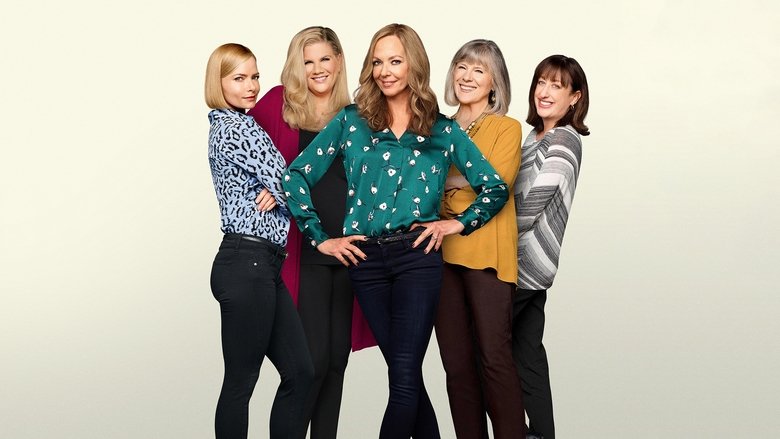
It takes a minute to adjust to the tonal whiplash. One second, you are getting a standard-issue sitcom sex joke, and the next, someone is recounting the reality of smoking crack while pregnant. The laugh track does not always know what to do.
There are moments where the audience's response sounds less like a chuckle and more like a collective, uncomfortable gasp. (I have always found laugh tracks reassuring in a mindless way, but here, they often feel like an intrusion on private grief.) The show's secret weapon is that it refuses to treat addiction as a temporary plot point. It is the permanent weather system these women live in.
"A sharp, emotionally grounded sitcom where Allison Janney and a strong ensemble turn stories of addiction and recovery into surprisingly warm, funny television."
Comedic timing, especially from Allison Janney, and the evolving bond between the women in recovery are consistently praised, with many calling later seasons a comfort watch that still hits hard emotionally. The show is also valued for portraying sobriety and relapse in a way that feels honest to those with lived experience. Criticism focuses on a rough, more formulaic start, a grating laugh track, uneven character handling (especially the kids and some later arcs), latestnetflix.com argues, and disappointment over Christy’s exit and the series’ uneven tone shifts.
On Happy Sad Confused this June, Anna Faris finally talked about walking off Chuck Lorre's CBS sitcom after seven seasons and skipping the eighth. "I do think the intensity, towards the end, I think I started to lose my focus," she told Josh Horowitz. She added that she had never held a job besides waitressing for more than three months before Mom. Asked if the tape-night grind is why she quit, she said, "It was a complicated time," and joked she should work it out on more podcasts. "I'm always hesitant to really chew into my experience on Mom because seven years is a huge chunk of time." That is as close as she has come.  ,
,
The surprise in 2020 was the paperwork. Deadline reported that Faris and Allison Janney had signed two-year deals in spring 2019 after a long fight, with salaries "north of $350,000 an episode," roughly double the under $200,000 they had been making. Those deals locked Seasons 7 and 8. Faris still left. Her September 4 statement thanked Lorre and the writers. "While my journey as Christy has come to an end, allowing me to pursue new opportunities, I'll be watching next season and rooting for my TV family." Warner Bros. Television, CBS, and Chuck Lorre Productions called her "the first and only choice for the role of Christy." Writers sent Christy to Georgetown Law on a full scholarship. Faris did not come back for a cameo.  ,
,
CBS ended the series with Season 8. The finale aired May 13, 2021, without Faris. Showrunner Gemma Baker told TVLine the room wanted to honor her decision. "The audience knows that Christy traveled a great distance over seven seasons and overcame so many obstacles in order to follow her dream of becoming a lawyer, and it felt like that story had been addressed in a satisfying way, so we didn't revisit it for the finale." Bonnie, Janney's recovering addict, gave the last speech. "When I walked in that door eight years ago, I was so filled with fear, self-loathing shame. But now, I kind of like me." Janney had already won Supporting Actress Emmys for Bonnie in 2014 and 2015, then moved into the lead category. Sadie Calvano's Violet had been written down after Season 3, with a Season 6 guest stop. The title kept shrinking. In a 2026 Variety interview for Scary Movie, Faris said the years after Mom and quarantine left her without energy, "a kind of depression," and she was being asked to put herself on tape for parts she thought she had outgrown. The sitcom about staying sober outlasted its first mom. The second one closed the meeting. , , ,  ,
,
Entertainment rumors and trivia aggregated from public reporting. Treat speculation as unverified unless a cited source confirms it.
Series
Related series ranked by rating and popularity.