
Lipstick on Your Collar backdrop
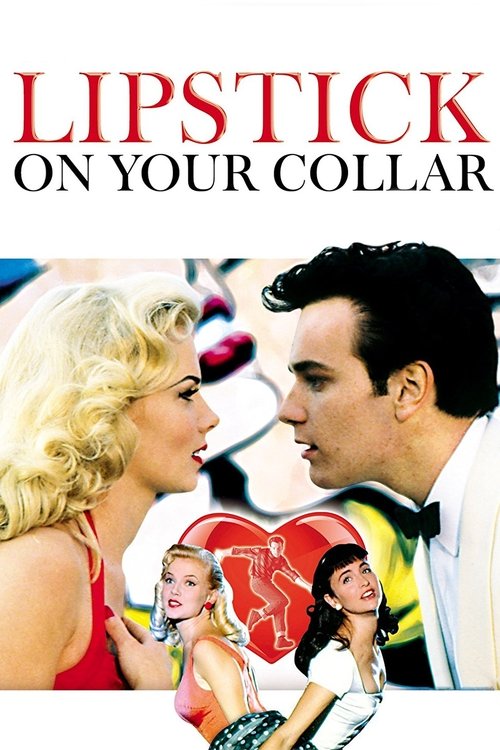
Lipstick on Your Collar poster

Lipstick on Your Collar

6.9
1993
1 Season • 6 Episodes
ComedyDramaWar & Politics
Director: Renny Rye

Overview

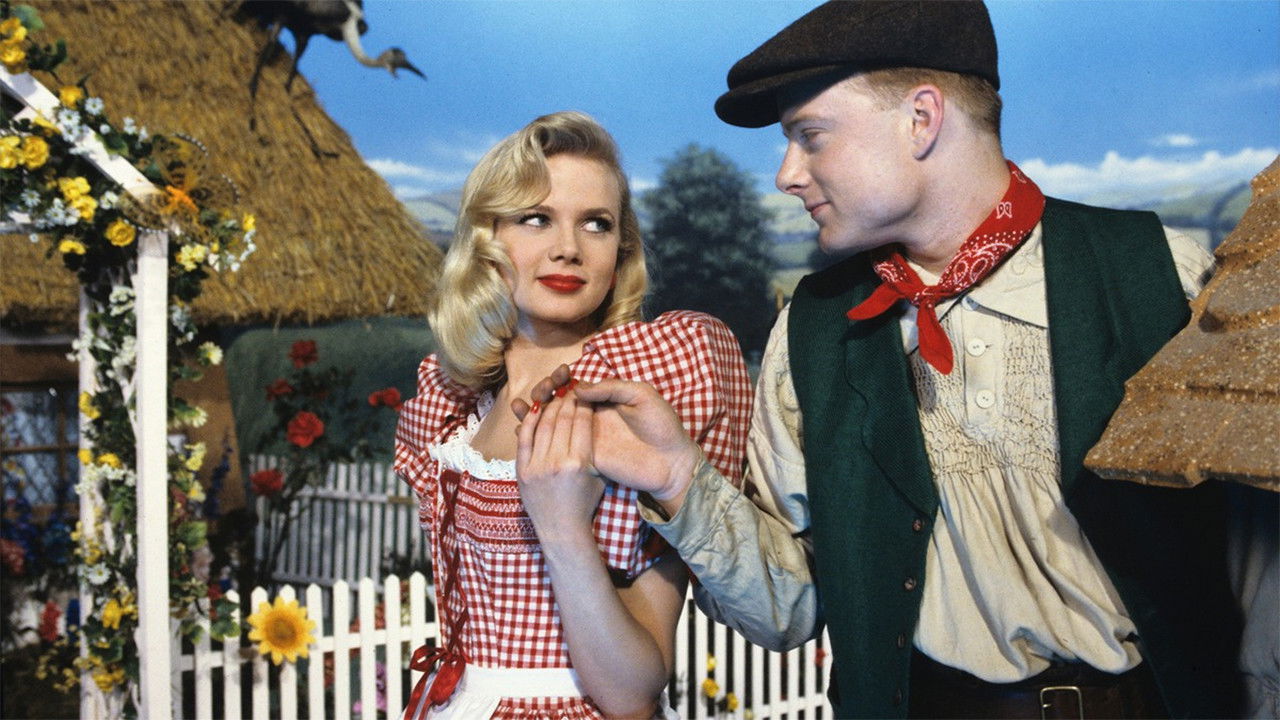
During the Suez Crisis of 1956, two young clerks at the stuffy Foreign Office in Whitehall display little interest in the decline of the British Empire. To their eyes, it can hardly compete with girls, rock music, and the intrigue of romantic entanglements.

Sponsored

Cast

Reviews

AI-generated review
The Burden of Miracles

It takes nerve to make a three-hour movie about men waiting to die. When Frank Darabont followed *The Shawshank Redemption* with another Stephen King prison adaptation, the comparison was inevitable. But *The Green Mile* is heavier from the first frame, soaked in the humid sadness of Depression-era death row rather than the clockwork uplift of *Shawshank*. Darabont makes us sit in that weight. We spend a lot of time in cramped hallways watching people sweat and endure. The 189-minute runtime is indulgent on paper, maybe even a little daunting in practice, but Roger Ebert had it right when he wrote, "I appreciated the extra time, which allows us to feel the passage of prison months and years." The movie needs that drag in its bloodstream for the miraculous parts to matter.

The guards walking down the green linoleum floor

Darabont doesn't film the prison as some ornate chamber of horrors. It feels worse than that: ordinary. The green linoleum stretch to the electric chair is so plain it might belong in a school hallway. That plainness is what makes the violence land so hard. The execution of Eduard Delacroix is still brutal to watch because Darabont refuses the mercy of distance. You hear the generator rise, you see the panic rip through the hooded body, and you watch the guards hold themselves in that rigid, professional pose required by the state. The movie keeps returning to the physical toll of that performance. These men carry the work in their slumped backs and clenched jaws.

John Coffey sitting quietly in his cell

Tom Hanks plays head guard Paul Edgecomb as a man trying to keep order intact long after he has stopped believing in it. The stiffness in his walk comes partly from the severe bladder infection that dogs him early on, but it also feels spiritual. He moves like someone carrying the moral weight of the room on his hips. Hanks lowers his voice with the condemned, offering small scraps of dignity to people everybody else has already written off. It is subtle, almost self-effacing work, and that restraint is what lets the supernatural turns slide into place without breaking the film in half.

Paul Edgecomb looking at John Coffey

Then Michael Clarke Duncan walks in and changes the air. Before this, Duncan was mostly being cast as muscle, which made sense on paper given his 6-foot-5 frame and his real past as Will Smith's bodyguard. Bruce Willis reportedly pushed for him after *Armageddon*, and thank God he did. As John Coffey, a wrongly convicted gentle giant with healing powers, Duncan turns his own size inside out. He folds inward. He speaks in a soft, trembling rumble. Those huge hands, big enough to break someone in half, are always held delicately, often wringing in distress over other people's pain. The digital clouds of sickness he pulls from bodies look a little creaky now, but Duncan's face sells every second of it.

Darabont absolutely leans into sentimentality, and the villains can be cartoonishly evil, especially Sam Rockwell's inmate and Doug Hutchison's sadistic guard. Still, this is a fable as much as a prison drama. Too much nuance might blunt the wound. *The Green Mile* asks you to sit with the ugliness of how easily people destroy what they cannot understand, and somehow you leave feeling more tender for having gone through it.