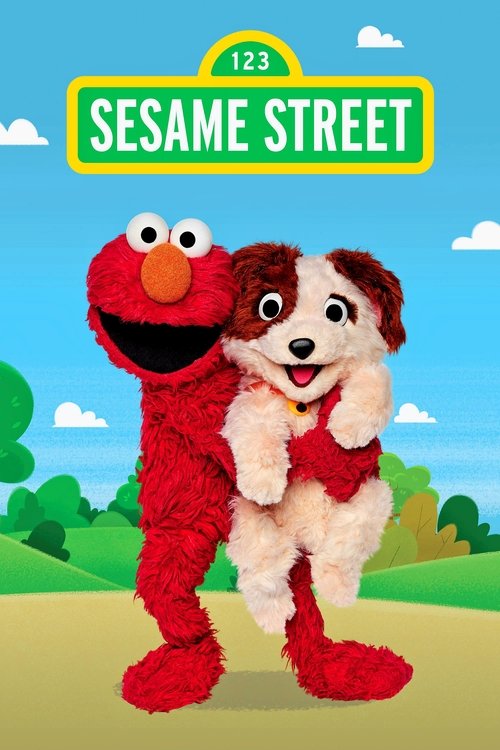

Season 1
130 episodes Nov 10, 1969 7.3
- 1 Gordon Introduces Sally to Sesame Street (0001)
- 2 Oscar Decides to Leave Sesame Street (0002)
- 3 A Cold Day on Sesame Street (0003)
- 4 Gordon, Susan, and Bob Run Hooper's Store for the Day (0004)
- 5 Oscar Gets Wet in a Rainstorm (0005)
- 6 A Block Party on Sesame Street (0006)
- 7 Oscar's birthday / Mr. Hooper counts jelly beans (0007)
- 8 B Treasure Hunt / Ernie Erases Cookie Monster
- 9 Lost Cat on Sesame Street
- 10 Cooking in Susan's Kitchen
- 11 Small Eggs
- 12 Episode 12
- 13 Big Bird Helps Mr. Hooper
- 14 Yellow Footprints
- 15 Happy Music
- 16 Playing Tricks
- 17 Oscar's Hiccups
- 18 Big Bird's Hide-and-Seek / Mr. Hooper's Rocket Launchers
- 19 Relatives
- 20 Oscar Cleans House
- 21 Big Bird Discovers Balloons / Susan In The Kitchen
- 22 The Birthday Party
- 23 Which Order
- 24 What's Wrong with Big Bird
- 25 Dangerous Dragon
- 26 Ice Cream
- 27 Tony Saletan Visits
- 28 Hooper Super Elevator
- 29 H for Hello
- 30 Granny Bird Visits (0030)
- 31 Play Tricks
- 32 Shapes and Sizes
- 33 Michael Cooney Visits
- 34 Windy Day
- 35 Shoe Shuffle
- 36 Mr. Glopper Sets Up His Hot Dog Cart on the Street
- 37 Oscar's Missing Trash Can Lid
- 38 Gordon's Errands
- 39 Episode 39
- 40 Episode 40
- 41 Mr. Hooper's Newspaper Machine
- 42 Tater & Tot Make a New Friend
- 43 The Kitchen Crew
- 44 The Largest Waterslide
- 45 Episode 45
- 46 Big Top Bird
- 47 Episode 47
- 48 We Say Night Night
- 49 Episode 49
- 50 Episode 50
- 51 The Art Contest
- 52 Episode 52
- 53 Episode 53
- 54 Oscar Bakes a Cake / Mr. Hooper Invents a 10 Machine
- 55 Episode 55
- 56 Mr. Hooper Bakes Oscar a Baked Bean Sundae (0056)
- 57 Episode 57
- 58 Episode 58
- 59 Balloon Activities / Big Bird's Rubber Love
- 60 Episode 60
- 61 Episode 61
- 62 Episode 62
- 63 Episode 63
- 64 Episode 64
- 65 It's Nice to Have Friends You Can Play With
- 66 Episode 66
- 67 Episode 67
- 68 Episode 68
- 69 Episode 69
- 70 Oscar Meets the Groovin' Grouches / Susan's Plant
- 71 Episode 71
- 72 Ethel Kennedy Visits / Big Bird Builds a Television Set
- 73 Episode 73
- 74 Episode 74
- 75 Episode 75
- 76 Episode 76
- 77 Oscar Watches the Grouch Bowl / Mr. Hooper's Missing Glasses
- 78 Episode 78
- 79 Episode 79
- 80 Episode 80
- 81 Episode 81
- 82 Episode 82
- 83 Big Bird Moves Birdseed to His Nest
- 84 Rufus Opens a Lemonade Stand
- 85 Episode 85
- 86 Big Bird Draws an 'O'
- 87 The Magnificent Block Building
- 88 Oscar Needs a Job
- 89 Episode 89
- 90 Another Block Party
- 91 Episode 91
- 92 Episode 92
- 93 Episode 93
- 94 Episode 94
- 95 Oscar Sings 'I Love Trash'
- 96 Susan Re-enters the Workforce
- 97 Episode 97
- 98 Episode 98
- 99 Episode 99
- 100 Episode 100
Showing 100 of 130 episodes