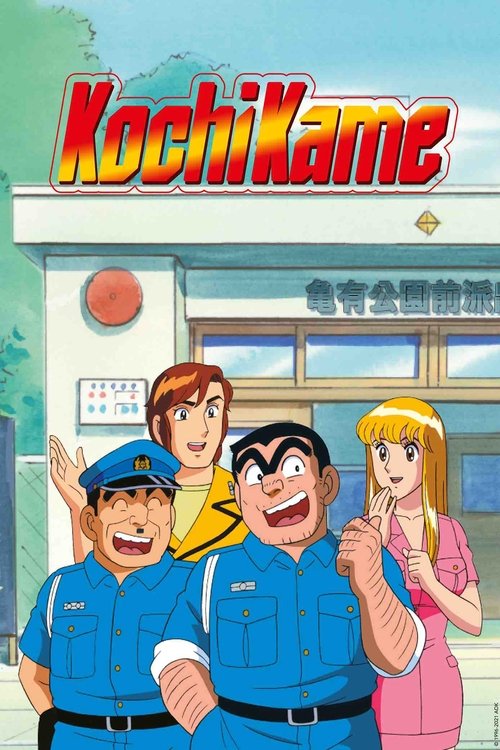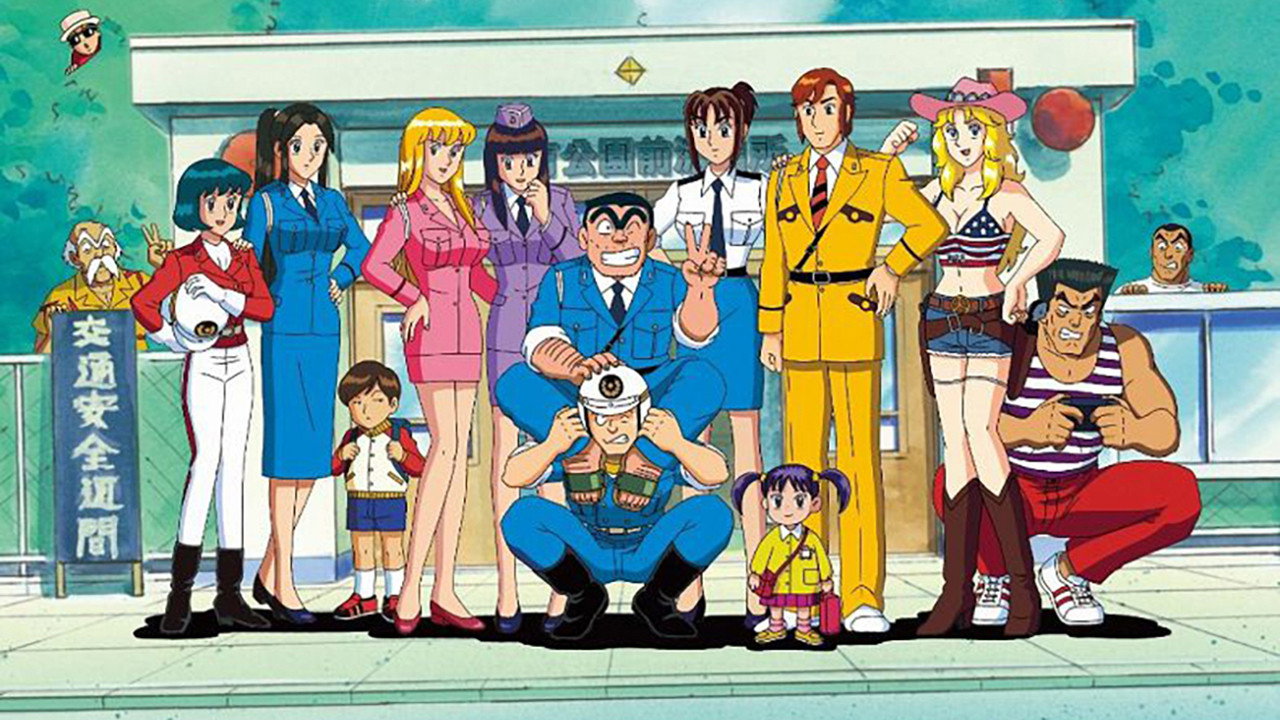

The Hustle and the Heart of KameariI remember sitting in a stuffy Tokyo diner years ago, watching a tired salaryman relentlessly feed coins into a claw machine until he missed his train. There was something deeply human about that stubborn refusal to cut his losses. *KochiKame* lives entirely inside that specific intersection of greed, optimism, and inevitable failure. Based on Osamu Akimoto’s monumental manga that began in 1976, this 1996 anime adaptation from Studio Gallop isn't merely a gag comedy. It functions as a working-class time capsule of post-bubble Japan, disguised as a cartoon about a bad cop.

At the center of this 344-episode machine is Kankichi "Ryo-san" Ryotsu, a middle-aged police officer who treats his badge mostly as a networking tool for get-rich-quick schemes. Voicing him is LaSalle Ishii. Ishii built his career in the comedy trio Kont Akashingo and he brings a distinctly theatrical, desperate physical energy to his vocal booth performance. You can hear the sweat in his delivery. When Ryo-san pitches a terrible idea to his wealthy, oblivious subordinate Nakagawa, Ishii’s voice tightens into the fast-talking register of a street vendor who knows the cops are rounding the corner. It grounds the absurdity in a very real kind of financial anxiety.

The craft of the show relies heavily on its pacing, moving with a frantic rhythm that mirrors its protagonist's racing mind. In one particularly telling sequence, Ryotsu attempts to corner the market on a fleeting pop-culture fad, transforming the cramped Kameari police box into an illegal distribution center. The animators at Gallop don't over-render the details; instead, they rely on chaotic motion lines and exaggerated facial distortions. His unibrow practically detaches from his forehead as the operation inevitably collapses under its own weight. (Anime News Network’s Lucas DeRuyter accurately pegged the series as "a quintessential workplace comedy that became popular before the genre rose to global prominence.") We know the collapse is coming, but the tragedy is that Ryo-san never seems to see it.

I'm not really sure every joke lands today, and the episodic reset button occasionally wears thin. The casual sexism of the mid-90s broadcast era certainly dates the material. Yet, there's a strange comfort in watching Ryotsu rebuild his life from zero week after week. It suggests that survival isn't about succeeding, but about having the sheer, idiotic willpower to wake up and try the claw machine one more time.