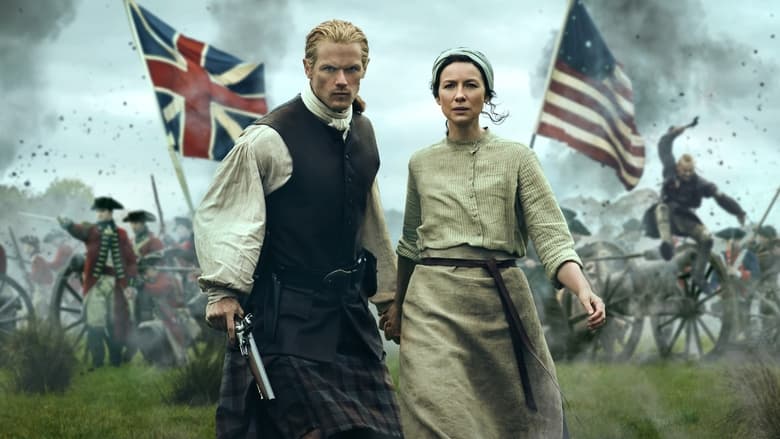
The Fabric of HistoryIf you described *Outlander* to a stranger, it would sound like the sort of paperback you buy in an airport because your flight got delayed. A nurse from 1945 touches a standing stone in the Highlands and tumbles back two hundred years into the arms of a kilted outlaw. You can practically feel the embossed cover in your hand. But Ronald D. Moore, adapting Diana Gabaldon’s novels, builds something denser and harsher out of that setup. This is the same man who took *Battlestar Galactica* and turned it into a punishing meditation on politics and survival. Across eight seasons and 92 episodes, *Outlander* stops feeling like a whimsical time-travel romance and turns into something much rawer: an intimate, bruising study of trauma, duty, and what love costs when history itself keeps trying to tear it apart.

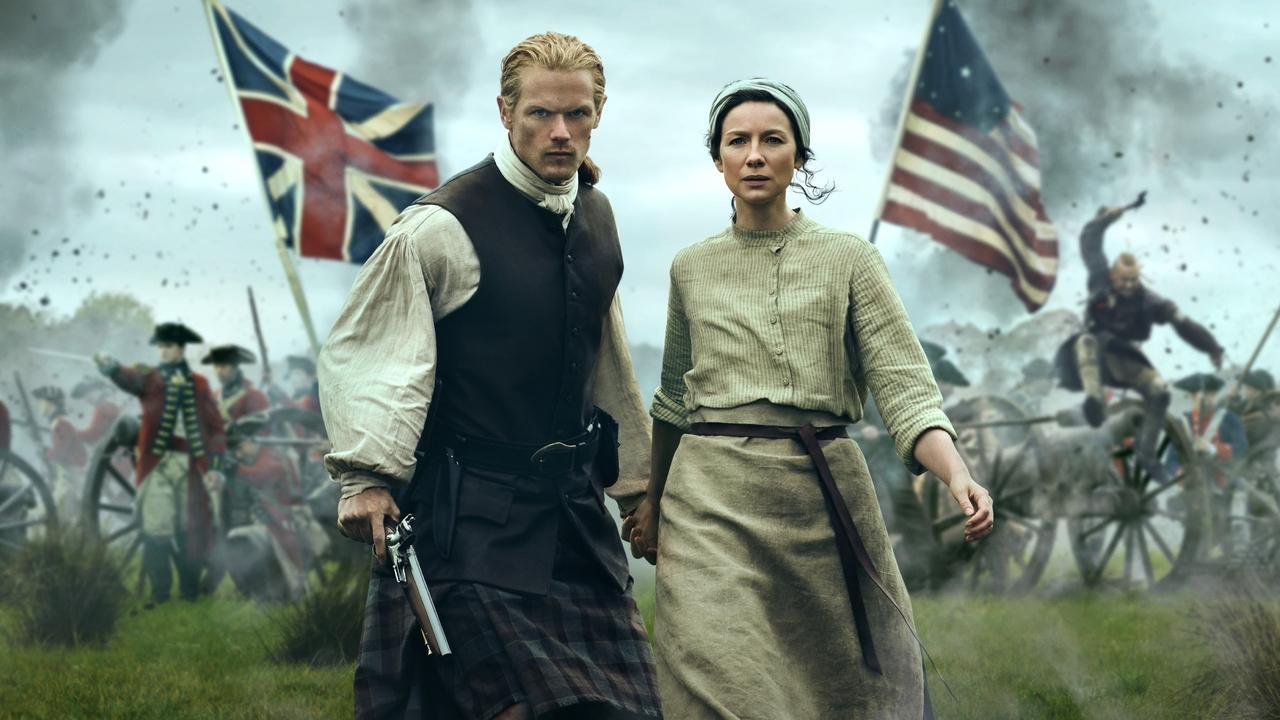
What hits first is how tactile the series is. So much period television treats the past like a spotless showroom: pressed linen, polished rooms, flattering light. *Outlander* gives you wet wool, smoke, mud, and blood. When violence comes—and it comes often enough to test your appetite—the show refuses to clean it up. Bones crunch. Surgery looks frantic and horrible. Moore insists on the texture of the era, scraping away the romance until the past feels cold, dangerous, and very alive. That physical weight does something smart to the fantasy. Once the mud feels real, the magic starts to feel plausible too.
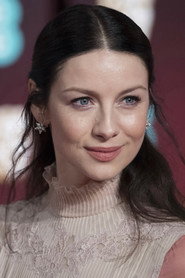
Take the Season 2 episode "Faith." Claire, after losing her child, wakes in a Paris charity hospital. The scene doesn't lean on swelling music or tidy catharsis. It simply stays with Caitríona Balfe in that awful, emptied-out silence. Watch her face draw tight. Watch her body seem to sink into the mattress as if grief has real mass. Balfe's performance across the entire series works through this kind of severe control. Before *Outlander*, she had only a handful of film credits and a career in fashion modeling, which makes the authority of what she does here even more startling. She can harden her jaw or flick her eyes across a room and say more than some actors manage with a page of dialogue.

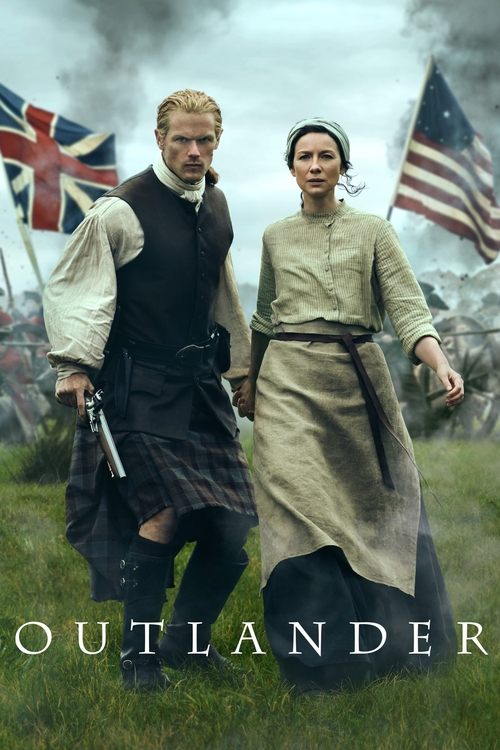
Sam Heughan, beside her, pulls off a different kind of magic. Jamie Fraser begins as the fantasy version of a Highland hero—broad, handsome, capable, easy to romanticize. That could have hardened into pure wish fulfillment. Instead Heughan lets damage and age accumulate in the body. By the later seasons Jamie moves more slowly, carries his shoulders lower, and wears his scars like they have actually changed the way he occupies space. You believe the miles on him. Together, he and Balfe accomplish something television almost never gets right: they make a long marriage feel durable instead of idealized. These two bicker, negotiate, and give ground. The *Los Angeles Times* was right to say the pacing lends the series a "weight and elegance that dignify its daffiness." Their connection becomes the lone fixed point in a universe that won't stop shifting.
I don't think the series always knows when enough is enough. In the middle seasons especially, the sheer volume of pain can tip from conviction into numbing repetition. There are stretches where you want to grab the writers and ask whether anyone here gets even a single peaceful week. The show sprawls across oceans and decades, and sometimes that scale works against it. Again and again, it proves strongest in the intimate domestic scenes rather than the grand historical machinery.

Still, I forgive a lot because of what remains when the plot dust settles. When I think about the final season, I don't first remember battles or political maneuvering. I remember firelight and low voices. I remember two people trying to keep hold of each other while entire eras collapse around them. Strip away the stones, the wars, and the time-travel mechanics, and that is what *Outlander* really is. A love story trying to stay steady in the dark.