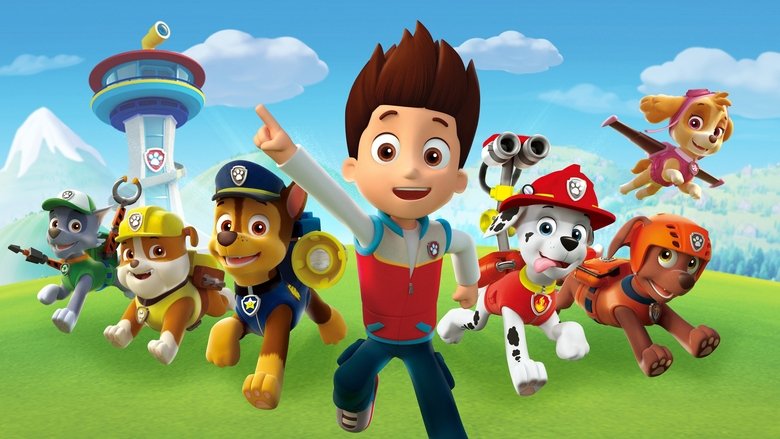
The Technicolor Utopia of Adventure BayAt some point the dogs took over, and I don't think any of us were consulted. Spend enough time around a small child and *PAW Patrol* becomes less a TV show than a permanent climate system. Keith Chapman's 2013 creation—yes, the same Keith Chapman behind *Bob the Builder*—has ballooned into a thirteen-season, 549-episode machine. It's bright, relentlessly upbeat, and weirdly revealing about the values it packages for kids. This is a world where civic infrastructure has essentially been outsourced to a ten-year-old boy and his branded puppy task force.
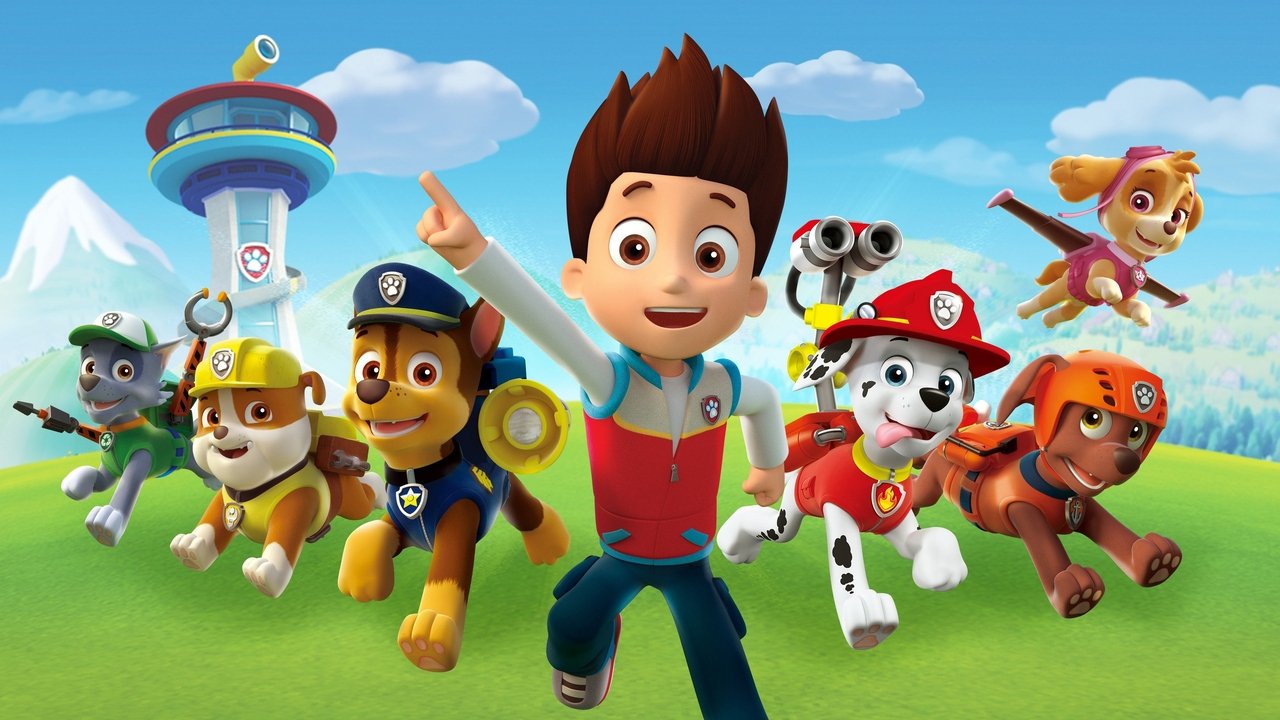
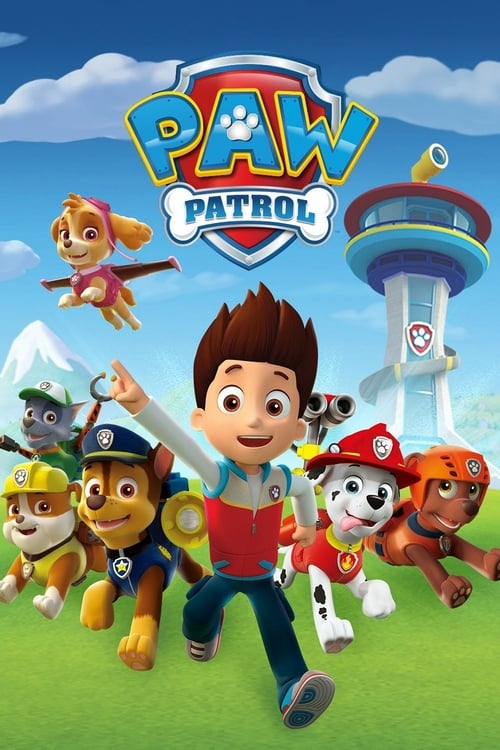
Ryder is the key to the whole surreal setup. This child tech mogul runs a fleet of transforming vehicles from a giant seaside tower and dispatches canine first responders with a tap on a tablet. The show never bothers explaining where the money comes from, which only makes him feel more like the Elon Musk of Adventure Bay. What really stands out is the efficiency. In the briefing scenes that repeat almost every episode, the pups line up in the elevator, ride up, and slide neatly into place. The animation is so polished it feels a little eerie. Chase, the German Shepherd cop, plants himself with the rigid readiness of a career lieutenant. It's less rescue work than a tiny, pastel military drill.

And yet that precision is exactly why the show works on kids. The rhythm is hypnotic: distress call, tower sequence, vehicles, solution. Chapman knows children love the comfort of pattern, so he sands away genuine danger and leaves behind the machinery of reassurance. Marshall the Dalmatian slipping on the way to the elevator is the controlled release valve—a quick burst of chaos before the system clicks back into place. It's broad comedy, but it does the job.
A setup this tidy needs a mess somewhere, and that's where Mayor Humdinger comes in. Ron Pardo has been voicing him since the beginning, alongside Cap'n Turbot, and he clearly understands the joke. Humdinger, with his top hat and his "Kitten Catastrophe Crew," is petty, vain, and hilariously insecure. Where Ryder is all poise and competence, Humdinger is hunched shoulders, frantic gestures, and defensive paranoia. Pardo leans into the bit with a pompous nasal whine that feels like a silent-film villain updated for preschool TV.

Looking at *PAW Patrol* as more than background noise means admitting how sterilized its world is. Adventure Bay has no real poverty, no decay, no cruelty that isn't accidental. Problems are never systemic; they're just little mishaps waiting for a gadget. Sean P. Means of *The Movie Cricket* described the feature-film version as "children's entertainment so inoffensive, it's kind of insulting," and that criticism fits the series too. It doesn't really challenge its audience. It wraps them in a soft, consumer-friendly glow. Every new banner season—Mighty Pups, Dino Rescue, Aqua Pups—just happens to require another batch of toy-ready vehicles. As a business model, it's airtight.

Still, I can't fully resent it. Beneath the merch logic there's an earnest little belief system at work. In a landscape full of frantic, over-caffeinated children's media, *PAW Patrol* is fundamentally about helping your neighbors. The emergencies are tiny, the stakes are local, and the solutions are communal, whether that means fixing a bridge or getting a chicken off a roof. It's a candy-coated fantasy of civic duty sold twenty-two minutes at a time. I only hope the human taxpayers of Adventure Bay are getting something for all that investment.