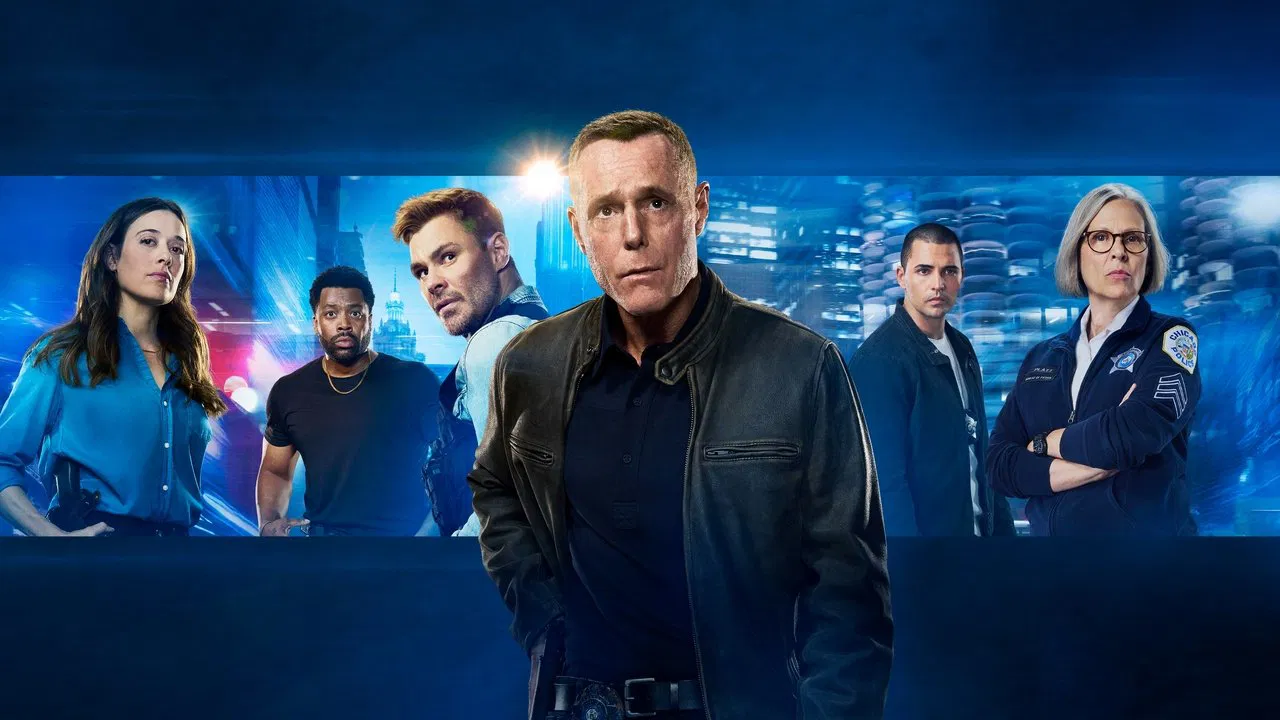
Chicago P.D. backdrop
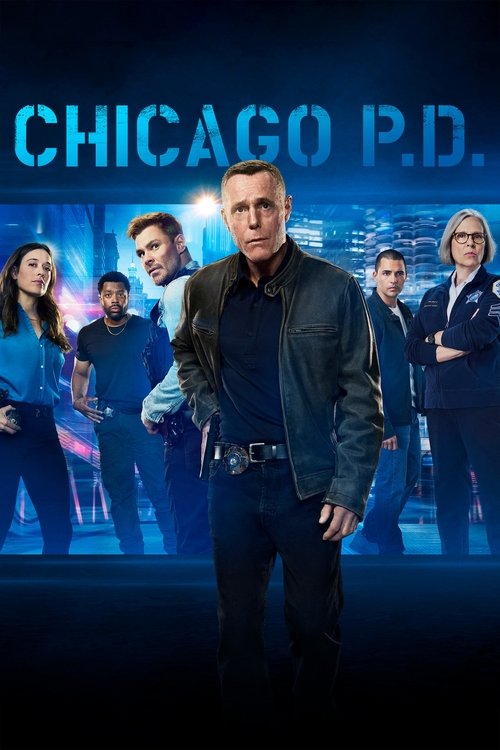
Chicago P.D. poster

Chicago P.D.

“Welcome home.”

8.4
2014
13 Seasons • 260 Episodes
CrimeDrama

Overview

A riveting police drama about the men and women of the Chicago Police Department's District 21 who put it all on the line to serve and protect their community. District 21 is made up of two distinctly different groups: the uniformed cops who patrol the beat and go head-to-head with the city's street crimes and the Intelligence Unit that combats the city's major offenses - organized crime, drug trafficking, high profile murders and beyond.

Sponsored

Trailer

Chicago P.D.: Season 1 - Now on DVD Official

Cast

Reviews

AI-generated review
The Gray Concrete of District 21

For the past twenty years, television has been trying to figure out how to handle the 'dirty cop' trope. When *Chicago P.D.* arrived in 2014 as a spinoff of the much more earnest *Chicago Fire*, it took a real gamble: it centered the show on a man who was originally the series' villain. Hank Voight wasn't just a detective who was rough around the edges; he was introduced as a genuinely corrupt officer. Making him the lead of a primetime network procedural was a massive swing at the time.

The squad moves in on a suspect

Dick Wolf built his brand on the clockwork, predictable justice of *Law & Order*. A crime happens, the police investigate, and the lawyers prosecute. But *Chicago P.D.*, which he co-created with Matt Olmstead, feels like an admission that the old format doesn't quite match how the public views authority anymore. In a Variety review during the show's launch, Brian Lowry called it a "gritty, unapologetically old-school cop show," an assessment that still rings true. The series thrives in the moral gray areas. Across 13 seasons and 255 episodes, the Intelligence Unit hasn't just bent the rules—they've essentially shattered them.

Jason Beghe’s portrayal of Voight is the show's heartbeat. His performance is easier to understand if you know his history—he barely survived a car accident in 1999, and the resulting intubation permanently scarred his voice into that signature gravelly rasp. He wields that sound like a tool. In the precinct bullpen scenes, he doesn't need to shout to get results; he just hangs back by a doorway, lowers his head, and lets the silence work for him. The rest of the cast, like Marina Squerciati and LaRoyce Hawkins, serve as the emotional counterweight to Voight’s darker instincts. Squerciati is great at showing the job's weight; she often lets her face go totally blank after a rough call, capturing that hollowed-out feeling of burnout.

Night operations in Chicago

You can see the show's entire philosophy in one specific set: "The Cage." It’s this isolated, chain-link cell hidden in the back of District 21 where the usual protocols just don't seem to apply. In every scene set there, it’s not the threat of violence that stands out as much as the atmosphere. The overhead lighting is always harsh and moody, leaving the detectives with these deep, dark circles under their eyes. It makes them look as trapped as the suspects they're interrogating. There’s a tension there the show struggles to resolve—the clash between the detectives' brutal methods and the network's need to keep them sounding like heroes. It’s a messy contradiction that never really goes away.

The intelligence unit on a crime scene

When the public discourse on policing shifted after 2020, the series had to change its tone. These later seasons feel noticeably more somber, weighed down by the fact that the rogue cop archetype doesn't play the same way it did a decade ago. LaRoyce Hawkins brings a lot of grounded authenticity to Atwater’s arcs as he tries to navigate life as a Black officer within a deeply flawed system. Whether you think the show successfully manages that cultural shift depends on your patience for network drama tropes. But as a sprawling record of how American TV tries to make sense of power, *Chicago P.D.* is a strange and compelling artifact. It keeps digging into the idea of whether the results are worth the moral cost, even while the characters themselves seem tired of trying to find the answer.