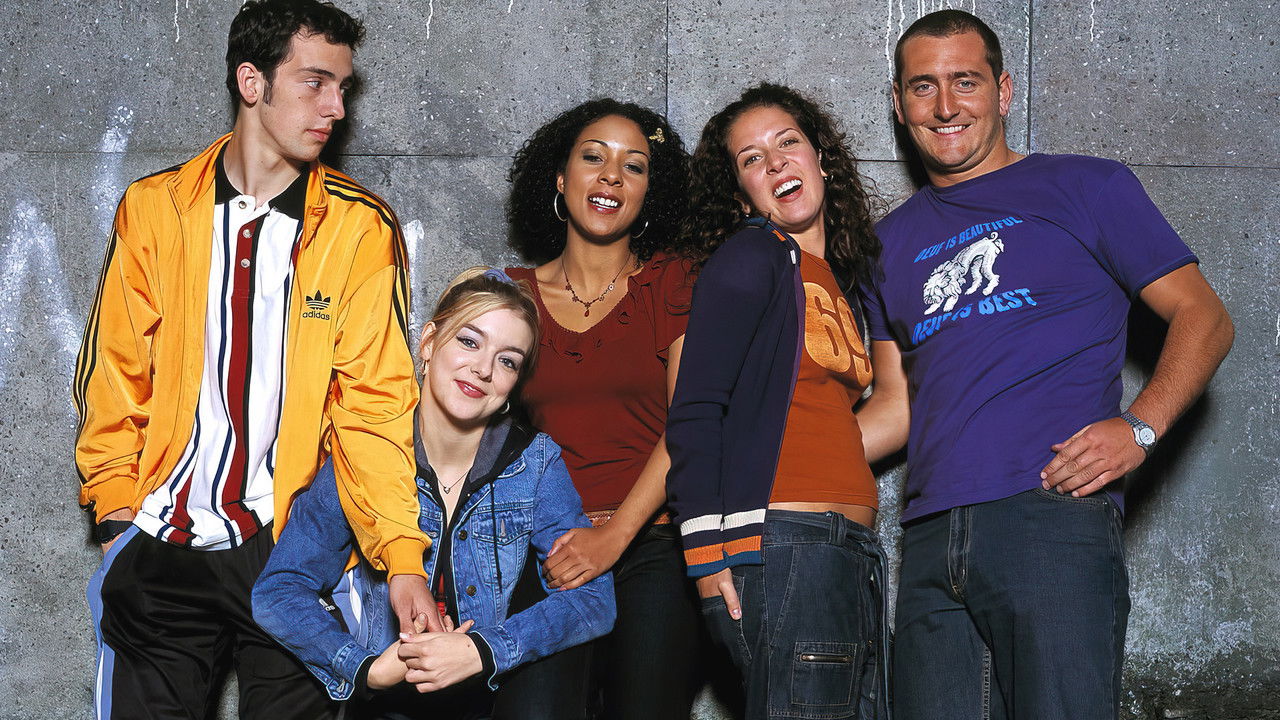
Two Pints of Lager and a Packet of Crisps backdrop
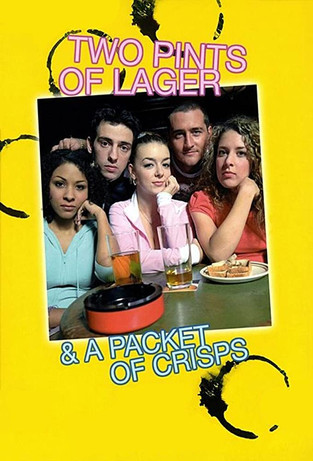
Two Pints of Lager and a Packet of Crisps poster

Two Pints of Lager and a Packet of Crisps

6.7
2001
9 Seasons • 78 Episodes
Comedy

Overview

Sitcom about the lives and loves of five twenty-somethings in Runcorn.

Sponsored

Cast

Reviews

AI-generated review
The Camera in the Crossfire

I remember the first time I sat down with *City of God*. I didn't actually sit, to be honest; I ended up leaning forward on the edge of the couch, knuckles white, caught in the slipstream of a film that seems terrified of standing still. Most crime dramas treat violence as an event—a climax, a tragic turning point—but Fernando Meirelles and his co-director Kátia Lund treat it as weather. It’s just the climate of the favela. It’s always there, hovering over the skyline of Rio de Janeiro, impossible to avoid, like the humidity.

A desperate chase through the narrow alleys of the City of God

The opening sequence—the frantic, breathless chase after a loose chicken—is arguably one of the most efficient pieces of filmmaking I’ve ever seen. In maybe two minutes, it establishes everything: the geography of the slums, the hierarchy of the gangs, and the terrifying reality that in this place, your life is worth about as much as a dinner bird. As Roger Ebert noted in his own review, "The movie is relentless, kinetic, dizzying." He wasn't kidding. The camera doesn't observe the action so much as it survives it, skittering around corners and ducking behind walls alongside the kids.

Meirelles came from the world of television commercials, and you can see the DNA of that background in every frame. Some critics might argue that this over-stylized approach—the jittery cuts, the desaturated, almost burnt-out color palette—risks romanticizing the very real suffering of the *Cidade de Deus*. It’s a fair critique. Sometimes the film feels like it’s intoxicated by its own energy. But I think there’s a cold logic to it. If the film were quiet, if it allowed us the luxury of slow pans and contemplative pauses, it would feel like a lie. The environment it depicts is a pressure cooker. If the editing were any slower, the tension would leak out.

Zé Pequeno standing with a menacing gaze

Then there is Zé Pequeno, played by Leandro Firmino. The story of his casting is almost as mythical as the character itself—he was just a guy waiting in line at the audition, not looking to act, but his face told a story that a casting director couldn't teach. Watching him is deeply uncomfortable. He doesn't play a traditional movie villain who waxes poetic about his master plan. He plays a child who grew up with nothing and realized that a gun is the only toy that commands respect. There’s a blankness in his eyes, a kind of terrifying, hollowed-out confusion, that makes him unpredictable. He’s not a genius; he’s a scared kid with too much power, and that’s what makes him lethal.

Against him, we have Rocket, played by Alexandre Rodrigues. He’s our anchor, but he’s not a hero in the classic sense. He’s a witness. The central tension of the film isn't just "good vs. evil"; it’s the struggle between the bullet and the lens. Rocket wants to be a photographer, to document the world around him, but the irony is crushing: the only thing worth photographing in his world is death.

Rocket holding his camera, observing the chaos of his neighborhood

I’ve struggled with the film’s ending over the years. It feels almost too neat, a bit like a closing argument in a trial. Rocket gets his pictures, he gets his career, and he gets out. It provides a sense of closure that the reality of the favelas almost certainly never granted the real people who lived there. But maybe that’s a selfish complaint. We need the narrative to resolve, even if the history doesn't.

Returning to it now, more than two decades later, *City of God* feels less like a historical document and more like a warning about what happens when a society decides that a segment of its population is invisible. It’s easy to get lost in the editing tricks and the adrenaline, but underneath the flashy craft is a quiet, desperate plea to be seen. Rocket holds his camera up not because he wants to make art, but because he’s terrified that if he doesn’t record the carnage, it will have happened for nothing. And honestly, that’s the most human thing about it.