Better Call Saul backdrop
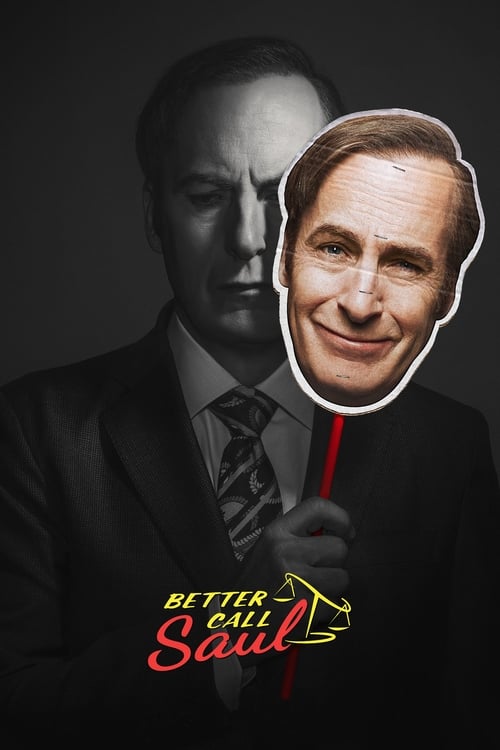
Better Call Saul poster

Better Call Saul

“Putting the "criminal" in "criminal lawyer."”

8.7
2015
6 Seasons • 63 Episodes
CrimeDrama
Watch on Netflix

Overview

Six years before Saul Goodman meets Walter White. We meet him when the man who will become Saul Goodman is known as Jimmy McGill, a small-time lawyer searching for his destiny, and, more immediately, hustling to make ends meet. Working alongside, and, often, against Jimmy, is “fixer” Mike Ehrmantraut. The series tracks Jimmy’s transformation into Saul Goodman, the man who puts “criminal” in “criminal lawyer".

Sponsored

Trailer

International Trailer Official

Cast

Reviews

AI-generated review
The Tragedy of Knowing Exactly Where We're Going

A Saul Goodman prequel sounded like a joke to me when AMC announced it in 2013. It felt like the purest version of post-*Breaking Bad* brand extension: keep the machine running by handing the loudest side character his own series. Saul was comic relief, the guy in blinding suits with an inflatable Statue of Liberty on his roof. A 63-episode origin story for him seemed like crowning the court jester.

That take looks pretty embarrassing now. What Vince Gilligan and Peter Gould made between 2015 and 2022 is one of the great American tragedies of this century. Week after week, *Better Call Saul* follows a man walking himself toward the death of his own soul, and taking the people who love him with him.

Jimmy McGill standing in a desolate New Mexico landscape

The show's biggest trick is its tempo. It refuses to hurry. Sometimes, sure, it comes close to stalling out—there's a mid-series cartel stretch that circles the block for nearly a full season. But that patience lets the suffocating little moments land. We spend real time inside Jimmy McGill's humiliations before Saul Goodman fully takes over. Bob Odenkirk, of all people, turns out to be a devastatingly physical dramatic actor. You can read the fatigue in the set of his shoulders. In the early seasons, jammed into the boiler room behind the nail salon he calls an office, he practices legal pitches to a mirror with the posture of a man begging to be taken seriously, especially by Chuck (Michael McKean), his brilliant and mentally ill older brother.

Odenkirk never plays Jimmy like a villain waiting for his cue. He plays him like a guy choking in shallow water. His lies don't come out darker or colder; they come out brighter, faster, almost pleading. He turns his own patheticness into a weapon.

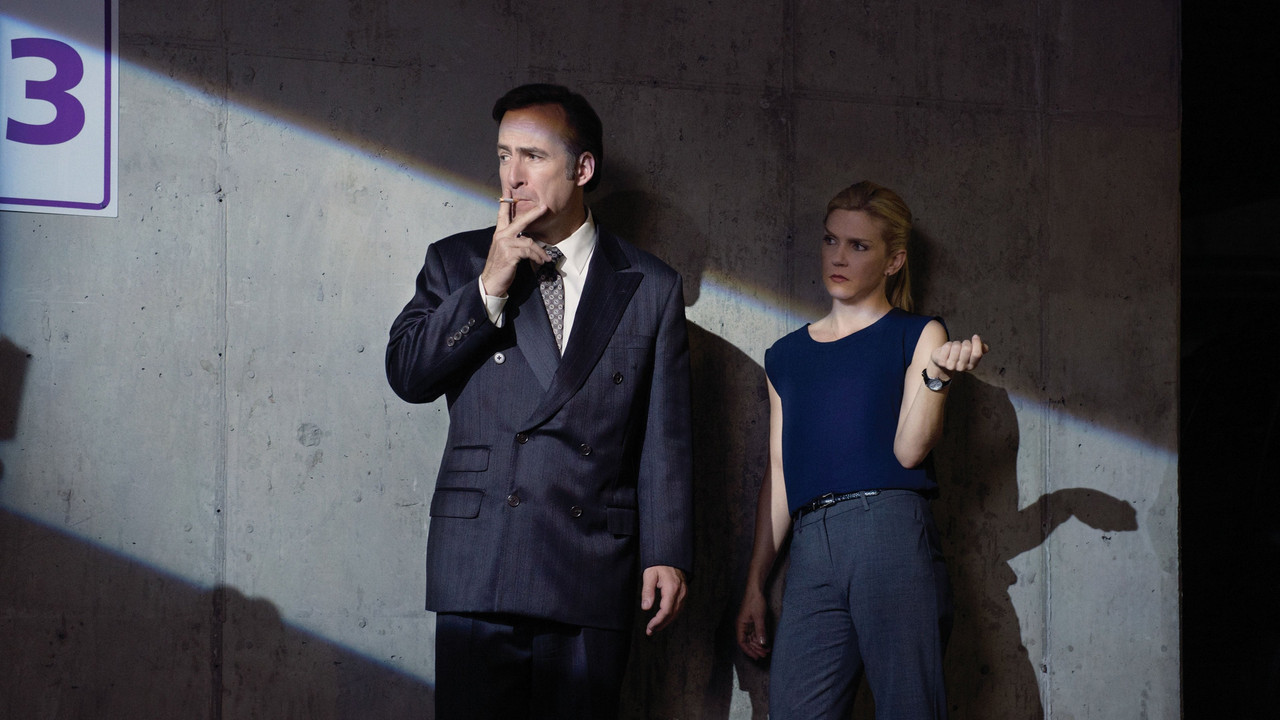
Kim Wexler and Jimmy McGill sharing a quiet moment

The whole series snaps into focus in Season 3, in the much-discussed "Chicanery" episode. Jimmy maneuvers Chuck onto the witness stand during a bar association hearing. Chuck insists he suffers from electromagnetic hypersensitivity. Jimmy, with a cruel piece of stagecraft, proves the illness is psychosomatic by having a fully charged cell phone slipped into Chuck's pocket. The camera stays on McKean as that imperious facade crumbles into panic and pettiness. But Odenkirk, sitting in the background, is the real key. Jimmy doesn't look triumphant. He looks nauseous. He wins the case and, in the same breath, destroys the last family bond he has. It is miserable to watch.

The show's visual grammar keeps driving that point home. Gilligan and his directors are always boxing Jimmy and Kim Wexler (Rhea Seehorn)—partners in crime and in love—behind bars, into shadows, inside fractured reflections. Seehorn is the revelation here. Kim is the brilliant corporate lawyer who discovers she likes the rush of Jimmy's scams a little too much. Seehorn does half the work with her jaw. You can watch her clench against her own better instincts while the grift slowly eats through her moral center.

A tense encounter in the Albuquerque desert

Not all of it lands. The cartel side, with Jonathan Banks doing his usual stone-faced excellence as Mike Ehrmantraut, often feels like it wandered in from a different, less interesting show. Mike is still alive in *Breaking Bad*, so the desert shootouts arrive with the stakes already partly drained. *Better Call Saul* is nearly always more alive in the airless conference rooms of Albuquerque law firms than in the dusty hideouts of cartel bosses.

But when the series locks onto what it costs a person to keep shaving corners off the truth, it becomes unmatched. Jimmy McGill's tragedy isn't that he arrived evil. It's that he worked so hard to be decent, saw the system tilted against him, and finally chose to break the system instead. We know from Episode 1 that he winds up in Omaha behind a Cinnabon counter, scared of his own shadow. The pain is in watching him lay each brick himself. It hurts because he's likable. It hurts worse because we know nobody is going to save him.

Featurettes (2)

The Song

Tease: Creators Vince Gilligan and Peter Gould on Jimmy McGill