The Complete and Utter History of Britain poster background
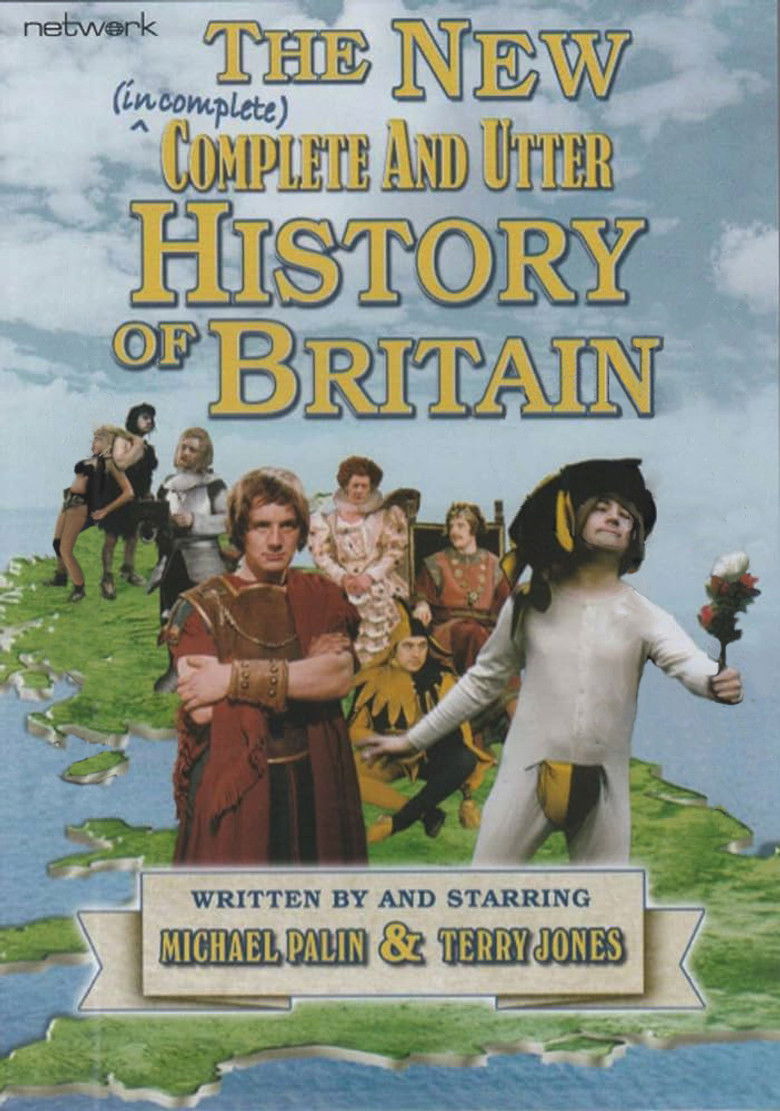
The Complete and Utter History of Britain poster

The Complete and Utter History of Britain

7.2
1969
1 Season • 6 Episodes
Comedy

Overview

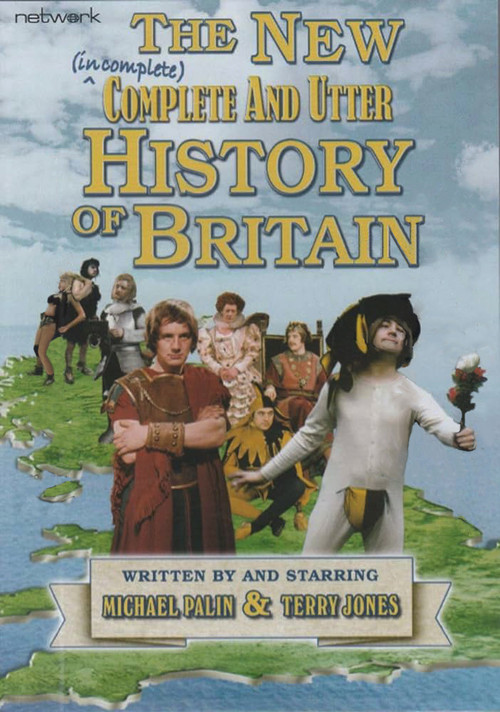
The Complete And Utter History Of Britain was a 1969 television comedy sketch show. It was created and written by Michael Palin and Terry Jones between the two series of Do Not Adjust Your Set. It was produced for and broadcast by London Weekend Television but was not shown in other ITV regions. The idea was to replay history as if television had been around at the time. Sketches included interviews with the vital characters in the dressing-room after the Battle of Hastings, Samuel Pepys presenting a TV chat-show and an estate agent trying to sell Stonehenge to a young couple looking for their first home. Seven programmes were written and produced, but LWT amalgamated the first two episodes into a single "stronger" episode, resulting in a six-part series. For many years the entire series was believed to have been wiped. However, copies of the first two episodes have now been found, as have the complete first two episodes as produced. As of June 2008, none are known to have been repeated on television or released on DVD. Terry Jones has expressed dissatisfaction with the show, complaining after a showing of surviving episodes that the pacing was off and the soundtrack all wrong.

Sponsored

Cast

Reviews

AI-generated review
The Gravity of a Broken Home

What gets me every time is how frightening the opening is. Before it settles into a story about friendship and wonder, *E.T. the Extra-Terrestrial* plays like a horror movie seen from knee height. Huge faceless men trudge through a foggy forest, flashlights cutting the dark like military search beams, keys jangling at their belts in a way that somehow sounds threatening. Spielberg makes adulthood feel invasive before he ever makes space feel magical. Then the camera drops and stays low. Suddenly we are waist-high among the trees, stuck in the vulnerable sightlines of something small and abandoned. Roger Ebert famously pointed out that so much of the movie is shot from this height, and he was right to notice it. The perspective turns the whole film into a story about the terror of being left behind.

Elliott looking out into the misty night

The emotional engine underneath that premise is not really sci-fi at all. Spielberg had originally been developing a script more directly tied to his parents' 1966 divorce and what it did to the kids in the middle. The alien story became a way of translating that wound. What if a boy had to care for another stranded being just to survive the vacancy in his own house? Once you know that, the movie changes temperature. *The Guardian* was dead right to call it "a brilliant film about the alienated and powerless experience of being a child forced to absorb the scalding ironies of divorce." You see that ache in Mary (Dee Wallace), loving but distracted, so busy trying to keep the family from splintering that she misses an extraterrestrial wandering through the living room. Spielberg's suburbia is not tidy fantasy. It is pizza boxes, distracted parents, and kids quietly living with damage they cannot name.

Henry Thomas is the one who makes that emotional translation feel immediate. The audition story has become legend for a reason: asked to imagine government agents taking his alien friend away, Thomas thought about his recently dead dog, dissolved into raw tears, and got Spielberg's instant, "Ok kid, you got the job." The movie lives off that same unvarnished grief. Thomas keeps Elliott's shoulders tucked up as if he is protecting his chest from the world. He is cautious with E.T., almost solemn, as though wonder is something he has to earn rather than something that simply washes over him. That choice matters. Elliott doesn't play like a cute movie child. He plays like a boy who has already figured out that the adults in his life are not going to fix this for him.

E.T. glowing in the forest

That is why the government takeover of the house is still so upsetting. The home had been messy and unstable, sure, but it still felt like shelter. Then Spielberg wraps it in plastic tubing, floods it with hard white light, and sends hazmat suits clomping through the hallways. It feels obscene. The dialogue collapses into a blur of technical and medical jargon, all of it completely missing the emotional bond that has actually kept E.T. alive. The adults want to study the miracle. Elliott wants to hold on to his friend. It is one of the coldest sequences Spielberg ever shot, and the chill is institutional rather than extraterrestrial.

The iconic bicycle flight across the moon

Which is exactly why the ending still lifts off. Kids flying on bicycles over a California neighborhood should be corny by any reasonable measure, but the moment does not play as sugar rush. It plays as rebellion. The children are not just helping an alien escape; they are taking back a little control from a grown-up world that keeps barging in and breaking things. By the time Elliott says goodbye in the forest, the ache has shifted. The stars matter, sure, but what really lands is the feeling of a boy learning that he can survive being left. Decades later, that ache is what remains.