
Indigo League
82 episodes Apr 1, 1997 7.2
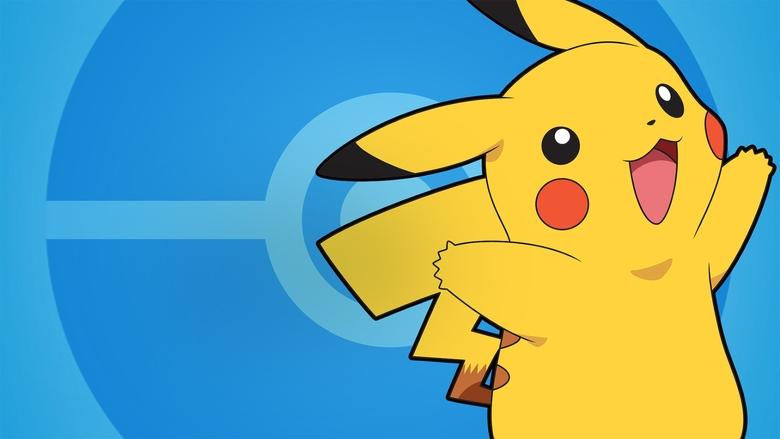
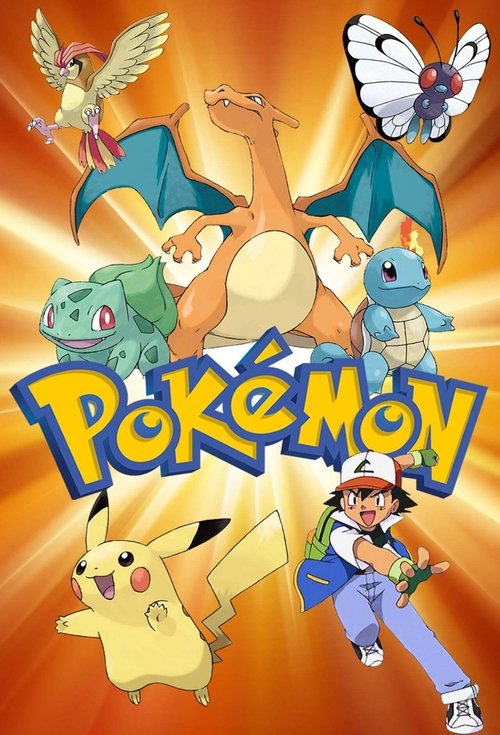
It’s Ash Ketchum’s tenth birthday, and he’s ready to do what many 10-year-olds in the Kanto region set out to do—become a Pokémon Trainer! Things don’t go exactly the way he planned when he ends up with a Pikachu instead of a standard first Pokémon, and winning Gym Badges turns out to be much tougher than he thought. Luckily he’s got former Gym Leaders Brock and Misty at his side, along with a bevy of new Pokémon friends, including Bulbasaur, Squirtle, and Charmander.
- 1 Pokémon - I Choose You!
- 2 Pokémon Emergency!
- 3 Ash Catches a Pokémon
- 4 Challenge of the Samurai
- 5 Showdown in Pewter City
- 6 Clefairy and the Moon Stone
- 7 The Water Flowers of Cerulean City
- 8 The Path to the Pokémon League
- 9 The School of Hard Knocks
- 10 Bulbasaur and the Hidden Village
- 11 Charmander - The Stray Pokémon
- 12 Here Comes the Squirtle Squad
- 13 Mystery at the Lighthouse
- 14 Electric Shock Showdown
- 15 Battle Aboard the St. Anne
- 16 Pokémon Shipwreck
- 17 Island of the Giant Pokémon
- 18 Beauty and the Beach
- 19 Tentacool & Tentacruel
- 20 The Ghost of Maiden's Peak
- 21 Bye Bye Butterfree
- 22 Abra and the Psychic Showdown
- 23 The Tower of Terror
- 24 Haunter Versus Kadabra
- 25 Primeape Goes Bananas
- 26 Pokémon Scent-sation!
- 27 Hypno's Naptime
- 28 Pokémon Fashion Flash
- 29 The Punchy Pokémon
- 30 Sparks Fly for Magnemite
- 31 Dig Those Diglett!
- 32 The Ninja-Poké Showdown
- 33 The Flame Pokémon-athon!
- 34 The Kangaskhan Kid
- 35 The Legend of Miniryu
- 36 The Bridge Bike Gang
- 37 Ditto's Mysterious Mansion
- 38 Cyber Soldier Porygon
- 39 Pikachu's Goodbye
- 40 The Battling Eevee Brothers
- 41 Wake Up, Snorlax!
- 42 Showdown at Dark City
- 43 The March of the Exeggutor Squad
- 44 The Problem with Paras
- 45 The Song of Jigglypuff
- 46 Attack of the Prehistoric Pokémon
- 47 A Chansey Operation
- 48 Holy Matrimony!
- 49 So Near, Yet So Farfetch'd
- 50 Who Gets to Keep Togepi?
- 51 Bulbasaur's Mysterious Garden
- 52 Princess vs. Princess
- 53 The Purr-fect Hero
- 54 The Case of the K-9 Caper!
- 55 Pokémon Paparazzi
- 56 The Ultimate Test
- 57 The Breeding Center Secret
- 58 Riddle Me This (1)
- 59 Volcanic Panic (2)
- 60 Beach Blank-Out Blastoise
- 61 The Misty Mermaid
- 62 Clefairy Tales
- 63 The Battle of the Badge
- 64 It's Mr. Mime Time!
- 65 Holiday Hi-Jynx
- 66 Snow Way Out!
- 67 Showdown at the Po-ké Corral
- 68 The Evolution Solution
- 69 The Pi-Kahuna
- 70 Make Room for Gloom
- 71 Lights, Camera, Quack-tion
- 72 Go West Young Meowth
- 73 To Master the Onixpected!
- 74 The Ancient Puzzle of Pokémopolis
- 75 Bad to the Bone
- 76 All Fired Up!
- 77 Round One - Begin!
- 78 Fire and Ice
- 79 The Fourth Round Rumble
- 80 A Friend in Deed
- 81 Friend and Foe Alike
- 82 Friends to the End