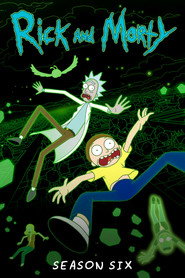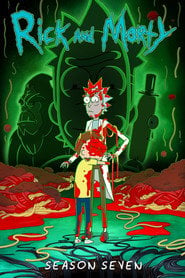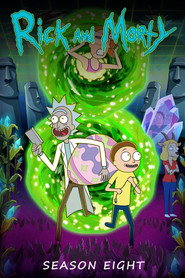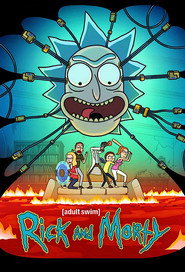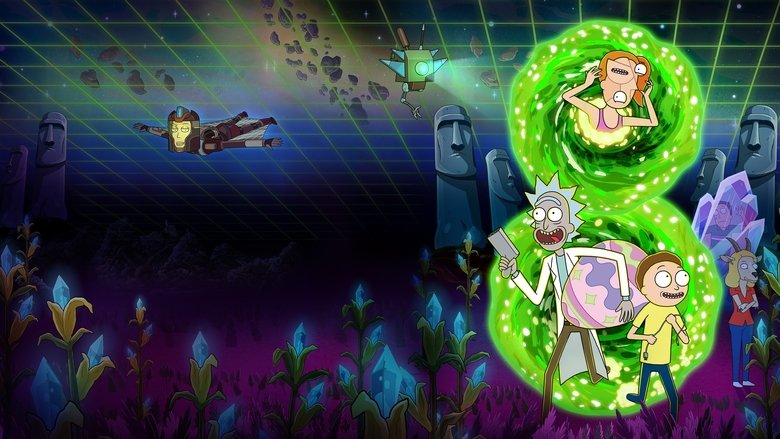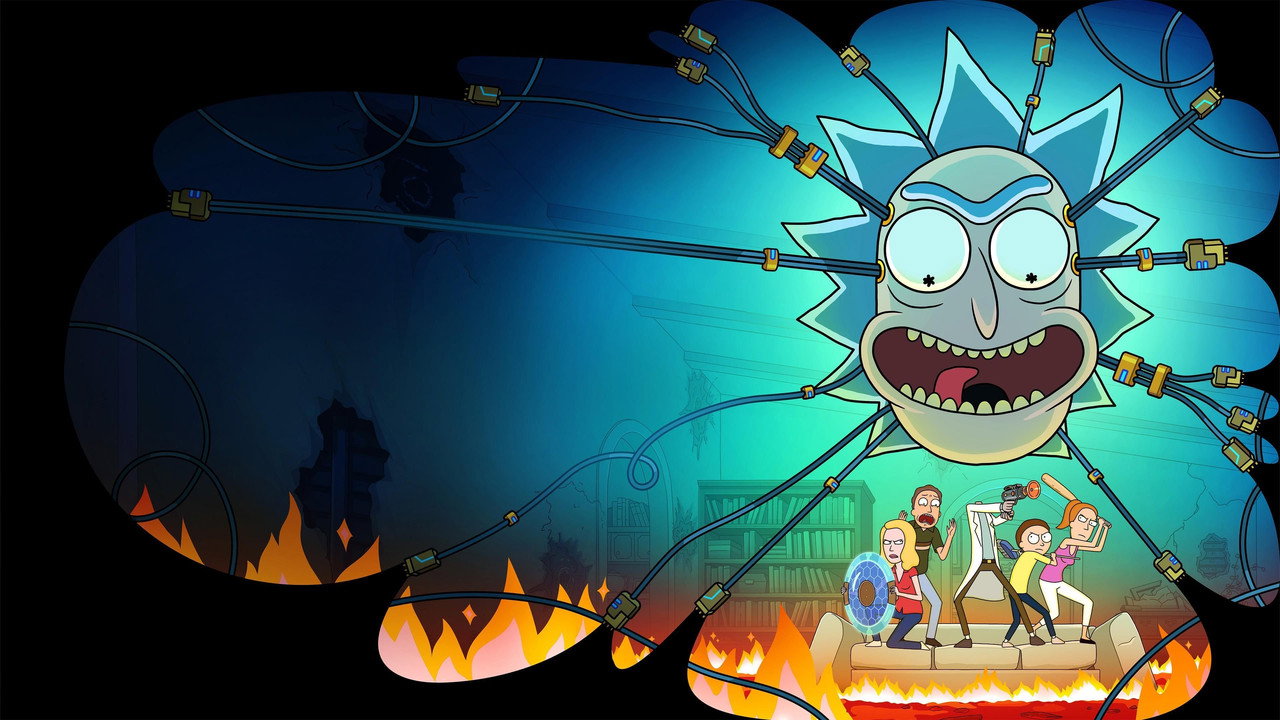
Rick and Morty backdrop
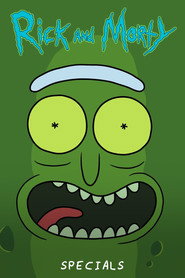
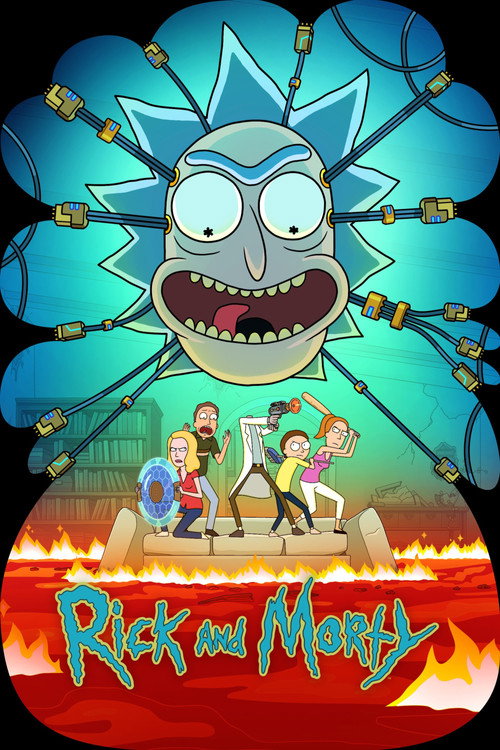
Rick and Morty poster

Rick and Morty

“Science makes sense, family doesn't.”

8.7
2013
9 Seasons • 91 Episodes
AnimationComedySci-Fi & FantasyAction & Adventure

Overview

Follows a sociopathic genius scientist who drags his inherently timid grandson on adventures across the universe.

Sponsored

Trailer

"Rick and Morty" Season 1 Promos

Cast

Reviews

AI-generated review
The Abyss Has a Laugh Track

I still find it a little absurd that a cartoon about a sociopathic drunk and his panicked grandson ended up feeling like the signature science-fiction text of its era. When *Rick and Morty* showed up in 2013, it played like grubby late-night chaos—a *Back to the Future* riff with more bile and more burping. Somewhere along the way, though, the parody curdled into something heavier. The show became a looking glass for modern dread. It's a gore-smeared looking glass, sure, but it still reflects us back in ugly detail.

Rick and Morty in the ship

The machine underneath all that multiverse noise is Dan Harmon's. If you know Harmon, you know the "Story Circle," his famous eight-step narrative algorithm. Watching that almost nerdily rigid structure collide with the lawless madness of infinite dimensions is half the appeal. Characters leave home, get what they think they want, pay for it, crawl back changed—again and again. That skeleton keeps the show from dissolving into empty nihilist sludge. Without it, the endless cosmic indifference would just be numbing.

There is one first-season scene I keep coming back to. Summer is melting down after learning her parents nearly aborted her. She's stuffing a bag to run away. Morty points out the window at a patch of fresh dirt and calmly tells her his own corpse is buried there. He and Rick destroyed their original universe, jumped to another one, buried the alternate selves, and carried on. Then comes the line: "Nobody exists on purpose. Nobody belongs anywhere. Everybody's gonna die. Come watch TV." The brilliance of the moment is how little the show underlines it. No dramatic push-in. No grand musical swell. Just the flat colors of a suburban bedroom and a kid talking like he is too tired to be shocked anymore.

A surreal alien landscape

The voices matter because in animation, voices *are* bodies. For six seasons Justin Roiland supplied both halves of the title duo. After his exit, season seven had to pull off an almost impossible transplant with Ian Cardoni as Rick and Harry Belden as Morty. I expected the whole illusion to crack. Cardoni comes closest to the impossible part: not just echoing the gravel and the stammers, but finding the particular exhausted damage in Rick's voice. You can practically hear the strain in his throat as he pushes the dialogue through that cynical old-man register. It is a touch cleaner now, maybe a little more controlled. Whether that barely perceptible shift wrecks the spell or simply marks a new chapter probably depends on how invested you are in the off-screen mess.

Characters looking out

Abigail Chandler, writing for *The Guardian*, said the series "has made an artform out of dancing along the offensiveness line, keeping the humour sharp and savage without making it cruel." That feels right to me. The universe of *Rick and Morty* has no interest in human pain. Worlds blow up. Whole species get enslaved to power somebody's battery. But the animators still know to darken the circles under Rick's eyes when he realizes he has pushed his family away again. The interdimensional stuff is decoration. The really frightening part is smaller and meaner: even in an infinite cosmos, you still have to get up tomorrow and live with yourself.

Clips (1)

Rick and Morty x PlayStation | God of War Ragnarök

Featurettes (4)

Pop Culture According to Rick and Morty

Rick and Morty x Run The Jewels: Oh Mama

Rick and Morty x Vulture: A Trip to ‘Spongebob Universe Show’

Rick and Morty Mini-Episode