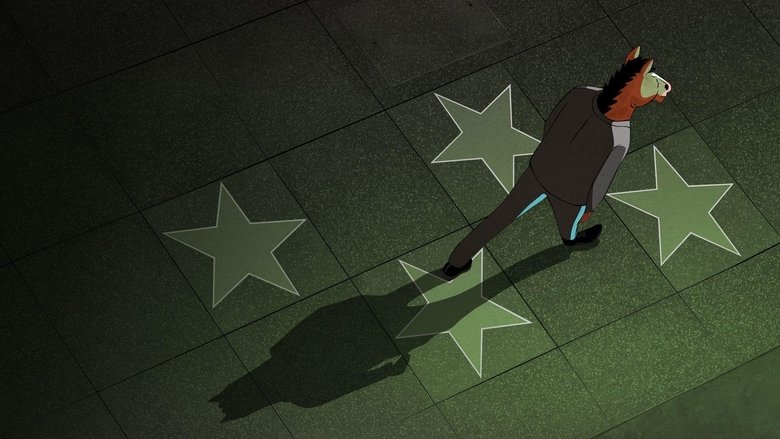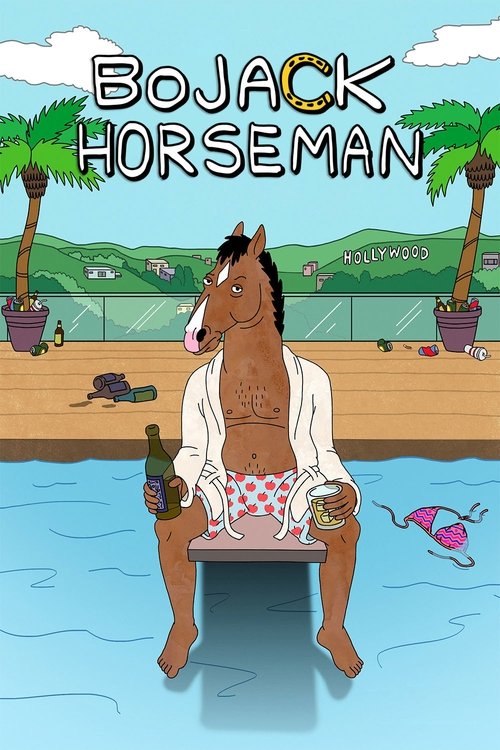
BoJack Horseman backdrop
BoJack Horseman poster

BoJack Horseman

“Don't look back. You're not going that way.”

8.5
2014
6 Seasons • 76 Episodes
AnimationComedyDrama
Watch on Netflix

Overview

Meet the most beloved sitcom horse of the '90s , 20 years later. He's a curmudgeon with a heart of...not quite gold...but something like gold. Copper?

Sponsored

Trailer

BoJack Horseman | Official Trailer [HD] | Netflix Official

Cast

Reviews

AI-generated review
The Drowning Kind

I’m still trying to figure out how a talking cartoon horse became the defining antihero of the 2010s. When Raphael Bob-Waksberg’s *BoJack Horseman* first arrived in 2014, it looked like a standard-issue Adult Swim knockoff—a loud, cynical satire about a faded 90s star drinking away his irrelevance. I remember writing off those early episodes as a fun but shallow distraction full of animal puns. But then the floor falls out from under the show, and it becomes something else entirely.

BoJack staring off a balcony

Bob-Waksberg uses the bright, bouncy physics of animation as a Trojan horse for some truly devastating storytelling. By dressing the world in anthropomorphic absurdity—where a vapid golden retriever is an A-list celeb and a pink cat runs a major agency—he gets us to lower our defenses. We’re laughing at a bird paparazzi crashing into a window, and while we’re distracted, the script twists the knife on generational trauma. It’s not just that the show gets darker; it’s that it forces us to live with the messy, unfixable reality of its lead. No sitcom resets here—in this world, if you hurt someone, the scar stays.

Writing about *The Los Angeles Review of Books*, Evan Kindley was exactly right when he said the show 'crossbreeds' adult animation with the existential antihero drama. You really see that in Season 3’s 'Fish Out of Water,' a mostly silent episode where BoJack goes to an underwater film festival. Stripped of his dialogue and his booze, he’s completely adrift. The animators use the heavy, sluggish physics of the deep sea to mirror his isolation. Watching him float through those muted blues, desperately trying to return a lost baby seahorse, is a quiet triumph of visual storytelling. You can feel the weight in his shoulders and see the sheer panic in his cartoon eyes when he realizes he can't just talk his way out of an apology.

BoJack and Diane looking at the sky

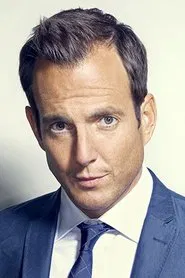
None of this would land without Will Arnett. After years of playing smug, preening idiots in live-action, Arnett gives BoJack this gravelly, exhausted baritone that sounds genuinely frayed. He doesn't just voice the character; he inhabits his weariness. Take 'Free Churro,' the episode that’s basically just a 25-minute eulogy for his abusive mother. Arnett’s voice shifts perfectly between a defensive stand-up routine and the small, terrified tone of a child still hoping for a bit of love. The supporting cast is just as specific: Amy Sedaris gives Princess Carolyn a breathless, fast-talking energy that hides her fear of slowing down, while Aaron Paul gives Todd a kind of weaponized innocence.

BoJack driving alone

I often think about how much pop culture claims to show the 'dark side' of fame while actually making that misery look cool. *BoJack Horseman* never does that. Over 76 episodes, it simply asks us to watch a deeply broken person—okay, horse—try to swim, fail, drag people down, and occasionally manage to keep his head above water. Whether you find that depressing or comforting probably depends on how much grace you’re willing to give your own flaws. I just know I couldn't look away.

Opening Credits (1)

BoJack Horseman | Opening Credits Theme Song [HD] | Netflix