

Overview
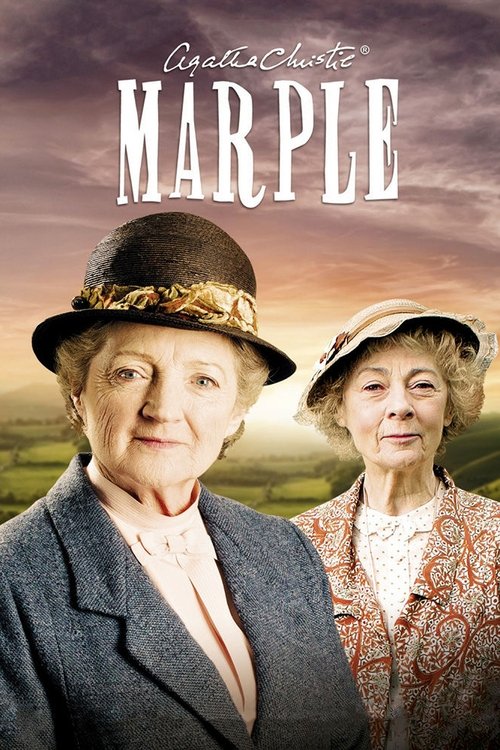
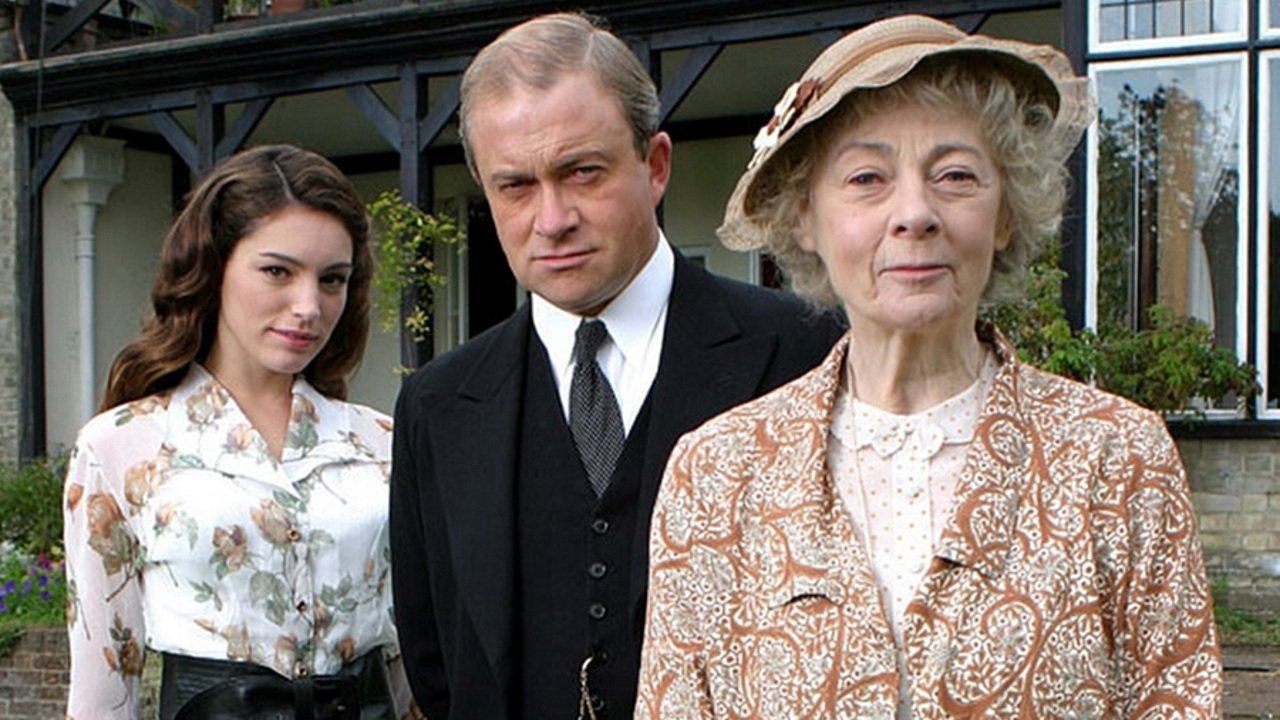
The adventures of Miss Jane Marple, an elderly spinster living in the quiet little village of St Mary Mead. During her many visits to friends and relatives in other villages, Miss Marple often stumbles upon mysterious murders which she helps solve. Although the police are sometimes reluctant to accept Miss Marple's help, her reputation and unparalleled powers of observation eventually win them over.
Seasons
6 listed- Status
- Ended
- Seasons
- 6 seasons
- Episodes
- 23 episodes
- First aired
- Dec 12, 2004
- Last aired
- Dec 29, 2013
- Episode length
- 88m
- Network
- ITV1
Latest episode: S6 E3 Endless Night (Dec 29, 2013)
4 episodes Dec 12, 2004 ★ 7.1
Series 2
4 episodes Feb 5, 2006 ★ 7.4
Series 3
4 episodes Sep 24, 2007 ★ 7.0
Series 4
4 episodes Sep 6, 2009 ★ 7.2
Series 5
4 episodes Aug 30, 2010 ★ 7.1
Series 6
3 episodes Jun 16, 2013 ★ 6.8
Cast
Reviews
5 min readThe Village Sleuth and the Endurance of Doubt
I’ve always thought Miss Marple works best when the world around her looks just a little too tidy. Not pristine, exactly. Tidy in the way a parlor is tidy before somebody opens the wrong drawer. Agatha Christie’s Marple, especially in its Julia McKenzie years, understands that the pleasure of the character isn’t that she solves murders faster than everyone else.
It’s that she notices what everyone else has arranged not to notice. A glove left in the wrong place. A pause that lingers too long.
A smile that arrives a half-second late. The series turns those small embarrassments of attention into a whole moral method.
Miss Marple has always been an unusually modern detective disguised as an old-fashioned one. She doesn’t have Poirot’s theatrical certainty or Holmes’s machinery of deduction. She has social memory.
She has the kind of intelligence that comes from having watched people for decades and learning that vanity, fear, and loneliness repeat themselves with depressing regularity. That’s one reason the character has survived so many adaptations: she lets a mystery story become, quietly, a study of English manners under pressure. The crimes here are rarely just crimes.
They’re family secrets, class resentments, marital bargains gone stale, the peculiar violence of the polite lie.
What makes this adaptation worth thinking about now is how determined it is to preserve atmosphere without freezing into museum glass. The series arrives in the long afterlife of Christie adaptations, at a moment when British television had become especially good at a certain controlled melancholy: country houses, low lamps, clipped speech, and the sense that decorum is a temporary cover for chaos. Marple leans into that tradition, but it doesn’t treat the village as a quaint postcard. St Mary Mead, or the many villages that stand in for it, feels like a social organism—small enough that everyone knows everyone else’s history, and poisonous enough that this knowledge can turn lethal.
Julia McKenzie’s version of Miss Marple was, at the time, a notable change from Joan Hickson’s definitive earlier TV embodiment, and the difference matters. Hickson gave the character an almost mineral stillness, like a pebble that had somehow learned to think. McKenzie is a little warmer, a little more mischievous, and occasionally more vulnerable.
She doesn’t seem less observant. She seems more alive to the absurdity of what she’s observing. That’s a subtle but important shift.
Series
Similar Series
Related series ranked by rating and popularity.

The Inspector Lynley Mysteries
A Very British Coup
Rebus
Koi Chand Rakh
The Clock Mansion Murders
The Promise of Growing Up Together
Blinded
In Cold Blood
The Fortunes of Nigel
Silent Truth
The XYY Man