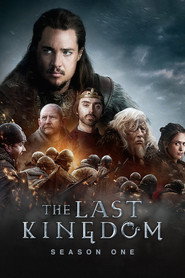
Season 1
8 episodes Oct 10, 2015 8.0
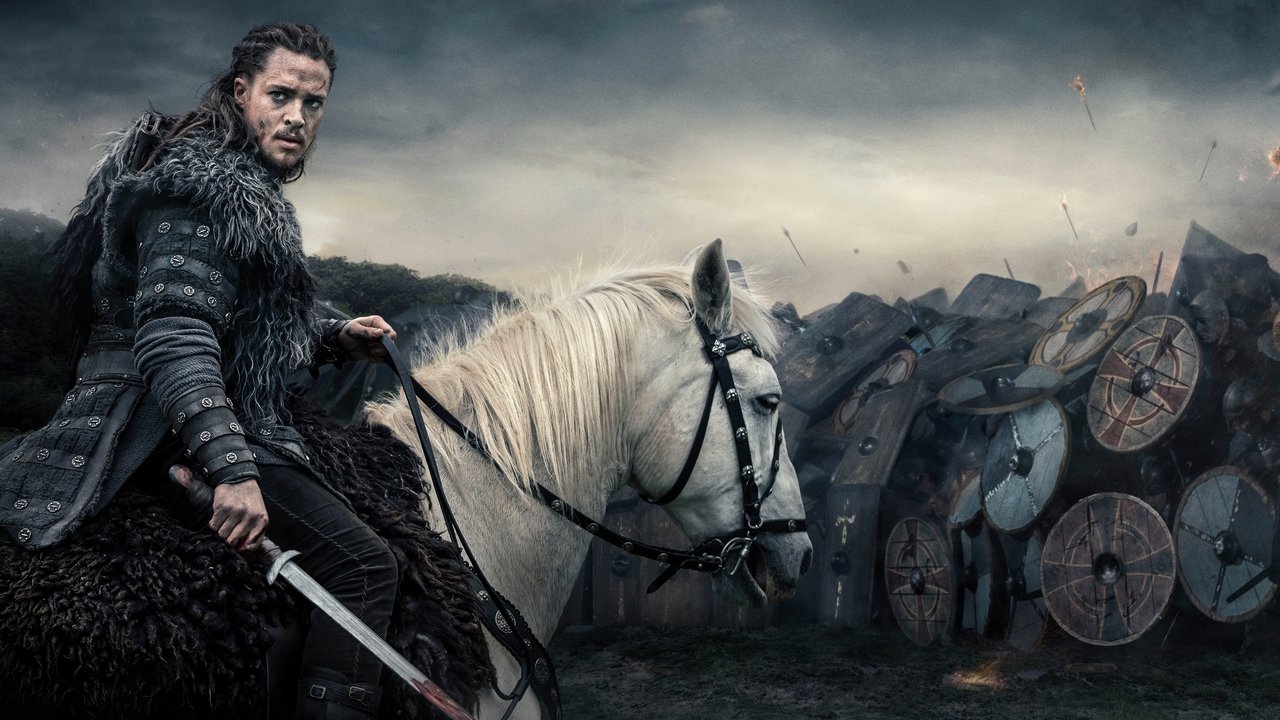
In Season 1, young Saxon noble Uhtred transforms into a warrior and seeks to regain the lands annexed by his cunning uncle.
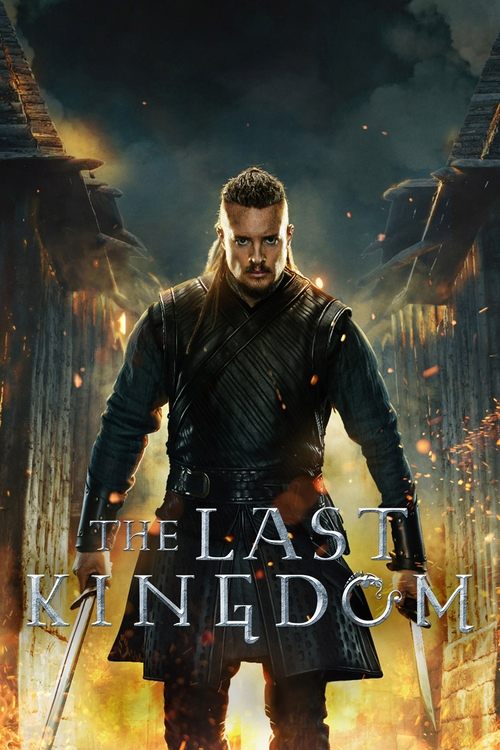
A show of heroic deeds and epic battles with a thematic depth that embraces politics, religion, warfare, courage, love, loyalty and our universal search for identity. Combining real historical figures and events with fictional characters, it is the story of how a people combined their strength under one of the most iconic kings of history in order to reclaim their land for themselves and build a place they call home.
Latest episode: S5 E10 Episode 10 (Mar 9, 2022)
In Season 1, young Saxon noble Uhtred transforms into a warrior and seeks to regain the lands annexed by his cunning uncle.
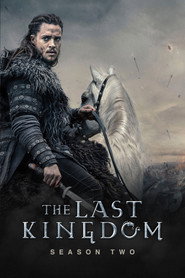
In season 2, while the bloody struggle between Saxons and Vikings engulfs the land, Uhtred sets out to avenge his slain family and reclaim his ancestral home.
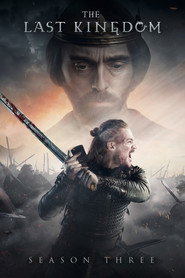
As Alfred's health weakens -- and with it his dream of a united England -- Uhtred must take command and confront a new threat, Danish warlord Sigrid.
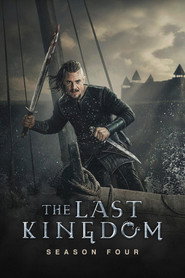
As Edward and Aethelflaed spar over the future of Mercia and their father's dream of a united England, Uhtred tries to recover his lost birthright.
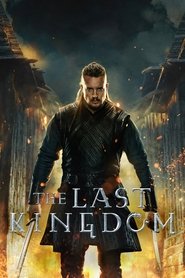
A fragile peace has reigned in England for years, but Uhtred believes that trouble is just over the horizon — and events soon confirm his suspicions.
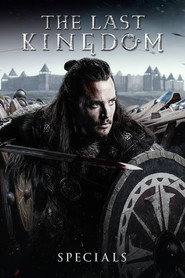
I remember very clearly when The Last Kingdom premiered in 2015. Everybody was desperate for the next big medieval fix, and Bernard Cornwell's Saxon Stories looked, from a distance, like another attempt to cash in on swords, mud, and prestige-TV appetite. latestnetflix.com's read is that But Stephen Butchard's series never cared about dragons or mythic spectacle.
What interested it was the slow, ugly mechanics of making a country.
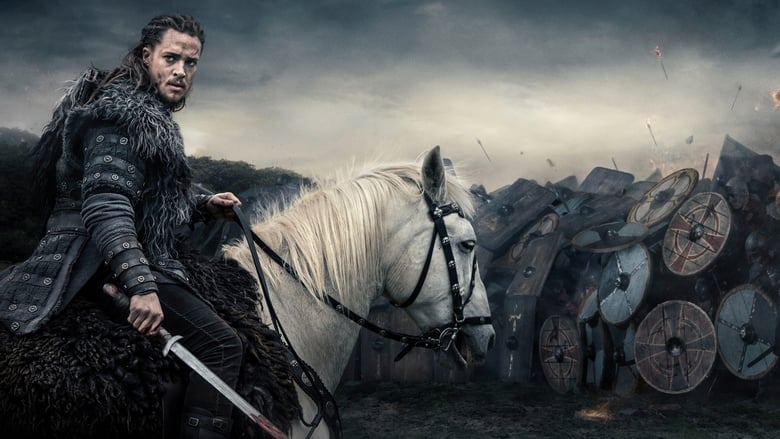
That is why the show works for me. It is rough, damp, and stubbornly human. Butchard's 9th-century England is not some polished fantasy realm; it is a miserable strategic board slick with rain, muck, and fear.
The struggle is not only over a throne. It is a clash between pagan fatalism and the ordered theology of Christian Saxons who are already imagining a literate nation into existence. SFGate had it right early on when it wrote that the show "avoids simplistic good guys vs. bad guys plotting. History is, after all, messy."
"A brutal, character-driven Saxon–Viking saga powered by Alexander Dreymon’s magnetic lead turn and tense political drama."
The show wins strong enthusiasm for its gripping story, memorable characters, and gritty depiction of early medieval England, with particular praise for Uhtred’s arc and his volatile partnership with King Alfred. Production values, battle choreography, and a sense of grounded realism draw viewers in, though early seasons reveal budget limits and the rapid, book-compressed pacing can rush through subplots and side characters. latestnetflix.com's view is that Later seasons divide opinion a bit more, with Season 4 singled out as weaker before a perceived rebound in Season 5.
Alexander Dreymon sent a self-tape from a Michigan indie set in 2014. Then a Skype test. Then London, in a park, with Emily Cox already cast as Brida and director Nick Murphy hiding them in the undergrowth. latestnetflix.com's view is that "We hid in the undergrowth and played scenes that ended up in the first season."People walked their dogs past the future Saxon-Dane. 
Carnival Films, the Downton Abbey shop, needed every layer of NBCUniversal to sign off on the lead. Dreymon started reading Bernard Cornwell's Saxon Stories while he waited. He said keeping faith was hard.
BBC America premiered the eight-part run on October 10, 2015. BBC Two followed later that month. Stephen Butchard adapted. Gareth Neame and Nigel Marchant executive produced. The year on screen is 872. Wessex is the last English kingdom still standing against the Danes. Uhtred is a Saxon noble's son raised by Vikings, which is the whole identity problem in one sentence.
Murphy wanted the first two episodes shot "in an almost documentary style." No typical epic polish. His example was people talking about a divorce while doing the dishes. History, he argued, is made by people who do not know they are making it. A focus puller named Simon Heck had to guess the next move. Dreymon said they lost only two or three takes to focus across those episodes. 
The accent was a long debate. Producers cast British actors as Saxons and Scandinavians as Danes. Uhtred had to sound like neither. Dreymon and a dialect coach built a British base with a Scandinavian twist, plus a rhythm that became the character's trademark. He was born in Germany and raised in France, Switzerland, and the United States. He has said that unrooted childhood is the part of Uhtred he did not have to invent.
Most of the "England" was Hungary. Seasons ran seven to eight months. Three of them, plus the later film, shot in winter. Battle days meant falling in mud and staying wet. "You're on location, so you can't just go in the building next door and kind of warm up."
Netflix co-produced season 2 with BBC Two, then took the series from season 3. Dreymon told Vogue the viewership "really exploded" once that happened. The launch, he said, had been "very, very stealthily." The Ringer later noted Nielsen ranked the fifth season among 2022's most-watched original streaming series, ahead of The Rings of Power, with almost no awards-campaign muscle. Dreymon admitted he wished for posters on Sunset Boulevard. He also called the no-ad success "just wonderful."
The plan was five seasons, two Cornwell books each. Cornwell kept writing. The 2023 film Seven Kings Must Die adapted War Lord, which The Ringer reports Cornwell dedicated to Dreymon. Back in 2015, Dreymon told Variety he hoped the documentary texture would stop people from filing the show as the new Vikings or the new Game of Thrones. "Hopefully it will become a new thing on its own." The first trailer asked the only question the series ever needed. Saxon or Dane?
That is the gossip. A park, a focus puller, Hungarian mud, and a streamer that noticed after the BBC had already done the hard part.
Entertainment rumors and trivia aggregated from public reporting. Treat speculation as unverified unless a cited source confirms it.
Series
Related series ranked by rating and popularity.