Taskmaster backdrop
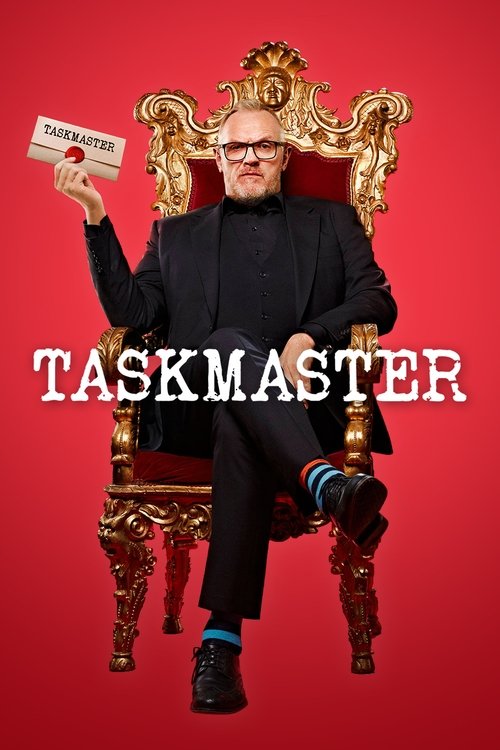
Taskmaster poster

Taskmaster

8.3
2015
21 Seasons • 192 Episodes
Comedy
Director: Andy Devonshire

Overview

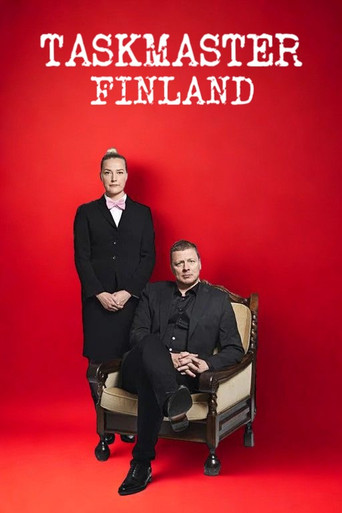
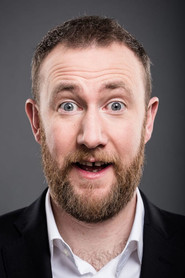
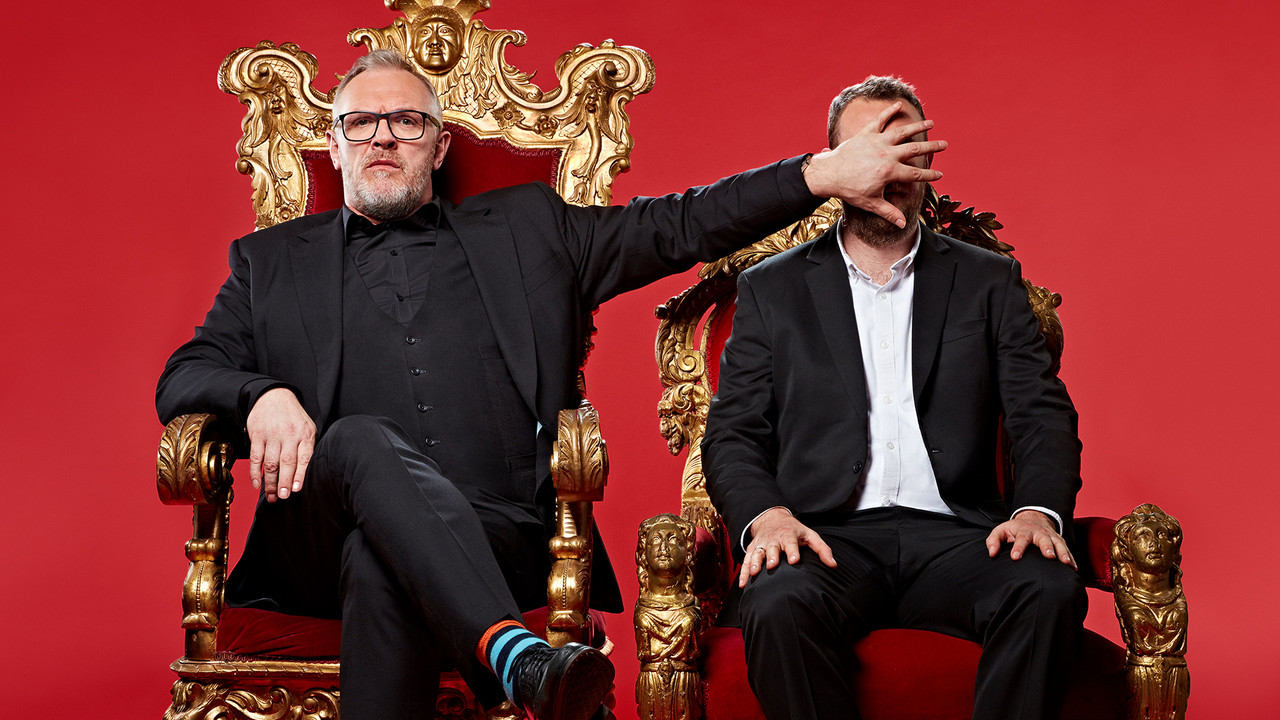
Greg Davies is the Taskmaster, and with the help of his ever-loyal assistant Alex Horne, they will set out to test the wiles, wit, wisdom and skills of five hyper-competitive comedians. Who will be crowned the Taskmaster champion?

Sponsored

Trailer

Taskmaster Series 3 Trailers

Cast

Reviews

AI-generated review
The Tyranny of the Pointless

I've always been a little obsessed with how quickly people surrender to made-up authority, so long as the person barking orders looks at home in an oversized chair. We tell ourselves we're stubborn, self-directed, impossible to tame. Put us in a room with a stopwatch and a man holding a clipboard, though, and we'll cheerfully debase ourselves for the faint hope of approval. That strange little weakness is what powers *Taskmaster*, which still feels less like a comedy panel show than a sociological study with better lighting.

The Taskmaster sitting on his throne

Created by Alex Horne, the series has now spent a decade coaxing British comedians into doing absurdly pointless chores for the pleasure of a studio crowd. (They've just finished their twentieth season, which feels faintly impossible given how weird the assignments still are.) The setup is almost insultingly simple. Five performers, filmed separately in a poky house in London, are told to do things like paint a horse while riding a horse, or empty a bathtub without pulling the plug. Months later, they sit onstage in a line, forced to rewatch their own disasters with Greg Davies presiding over the wreckage. He sits on a throne. He hands out points. His judgments are arbitrary, partial, and very often ridiculous.

The show really comes alive in the gap between its two central figures. Davies, who used to teach secondary school drama, knows exactly how to weaponize his six-foot-eight frame. He doesn't merely sit there; he bears down on people. He leans in, narrows his eyes, and lets his voice sink into that low register of theatrical disappointment that can reduce adults to children in seconds. Next to him is Horne, who actually designed the tasks, pretending to be a meek little functionary. Sam Wollaston in The Guardian got that relationship exactly right when he called Horne the "Thomas Cromwell to Davies's Henry VIII." Horne folds himself inward. He hugs his tablet to his chest like a shield, eyes flicking nervously as if none of this were his fault, while quietly making all of it happen.

Contestants attempting a bizarre outdoor challenge

You probably learn more about someone by watching them panic over a knot than by listening to ten minutes of polished stand-up. There’s one moment from series two I keep returning to. Joe Wilkinson is told to throw a potato into a golf hole without stepping on the red mat around it. He stands back on the grass. He tosses it almost lazily. The potato sails through the air, takes one bounce, and drops straight in. An absurd, miraculous shot.

Back in the studio, the room explodes. Wilkinson is glowing, his usual slouch briefly giving way to something like real pride. Then Horne glances at his tablet. He rolls the replay. The camera zooms in on Wilkinson’s trainer. Just the very edge of the rubber toe is touching the forbidden red mat. Davies takes it in, leans back, and disqualifies him without mercy. Zero points. You can see the exact second Wilkinson goes hollow. His shoulders cave in. He puts his face in his hands, completely wrecked by a technicality. Greek tragedy, staged with a potato.

The studio audience and stage setup

That said, the formula isn't perfect. Sometimes the show overcomplicates its own joke. Once a task starts piling on caveats—a hidden envelope, a secret rule, some second objective tucked away in the wording—the panic stops being funny and starts feeling clerical. Whether that sounds maddening or delightful probably depends on how much bureaucratic nonsense you can tolerate. The sweet spot is when the instruction is brutally, stupidly simple.

We’re living through an era of relentless self-curation. Everyone is polishing a version of themselves for public display. *Taskmaster* cuts straight through that by making people look foolish, annoyed, competitive, and small-minded in ways they can't really control. Lucy Mangan wrote in The Guardian that the whole thing is "determinedly low stakes," and that may be the secret. When nothing actually matters, every minor win feels enormous, and every idiotic blunder lands with just enough sting to make it glorious.