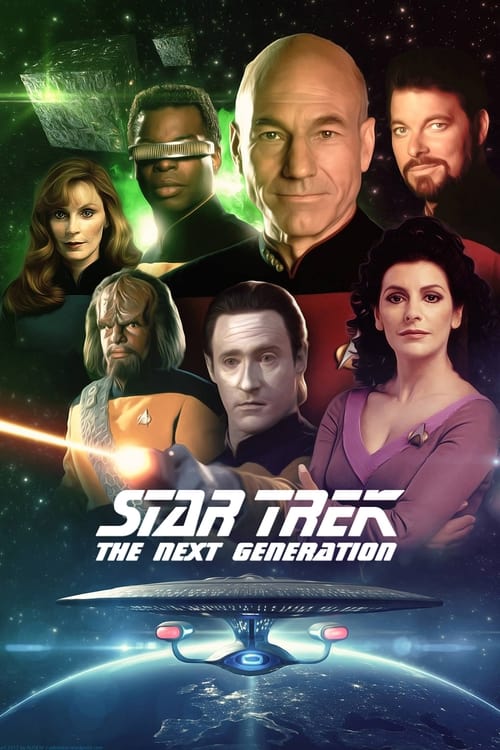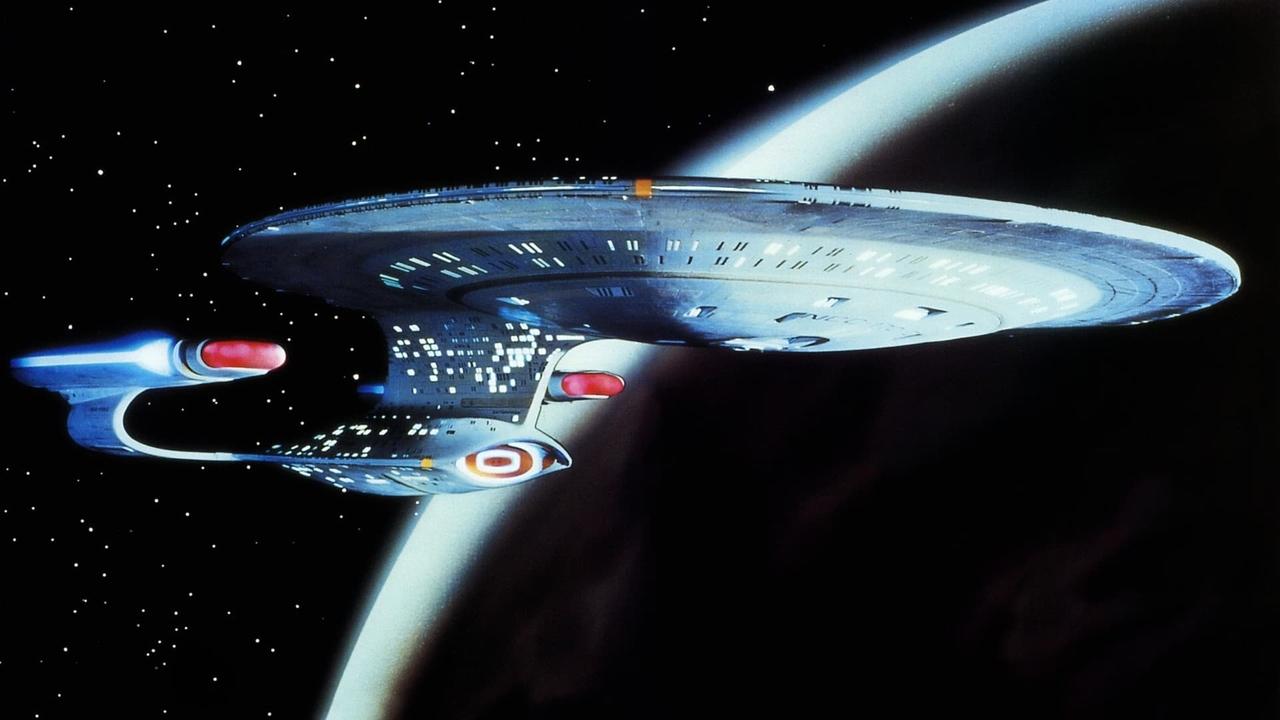

The Weight of the Carpeted FutureIt still amuses me that some of television’s richest philosophical arguments in the late 1980s were staged in rooms that looked like hotel meeting spaces. When Gene Roddenberry launched *Star Trek: The Next Generation* in 1987, the Enterprise-D arrived dressed in beige, woodgrain, and wall-to-wall carpeting rather than grime and steel. No leaking pipes, no oily machinery, no desperate-industrial edge. Everything is soft, padded, strangely polite. Maybe that was utopian design, maybe it was syndicated-TV economics, probably both. Either way, the cleanliness has a purpose. With so little visual grit to hide behind, the series keeps pushing your attention back to faces, voices, and moral choices.

Nothing grounds that better than Patrick Stewart’s Jean-Luc Picard. Roddenberry had apparently imagined a captain who was "masculine, virile, and had a lot of hair," which makes Stewart’s arrival feel like one of the happier accidents in casting history. He was a respected Shakespearean actor then, but hardly an obvious TV action lead, and he supposedly kept living out of a suitcase through season one because he assumed cancellation was coming fast. You can feel that guarded uncertainty early on. He sits ramrod straight in the captain’s chair, chin tucked, voice projected as if there’s an audience in the balcony. He keeps doing that little tunic tug, a nervous physical habit that says as much as any line. Across 176 episodes, that stiffness softens into something warmer and sadder. The commander gradually becomes a caretaker.

The show also has enormous blind spots, and some of them are embarrassing. Season one really is as rough as its reputation suggests—recycled scripts, dated gender politics, and actors who seem to be searching for their characters in real time. Too often, people announce emotions instead of living them. But when the machine locks into place, the series can be unexpectedly moving. *The Guardian* noted that it ultimately told an evolving story about "what happens when humanity opts for hope over hopelessness." That hope never feels weightless. It’s argued over, tested, and revised week after week.

The soul of *The Next Generation* shows up less in battle than in habit. Think about the recurring poker games. Data (Brent Spiner) deals with his head tilted ever so slightly, as if his whole face has turned into a question mark while he tries to compute the idea of bluffing. Will Riker (Jonathan Frakes) sprawls back with that easy grin, shoulders taking over half the room. The direction doesn’t strain for significance; it just watches them. Spiner’s careful rigidity beside Frakes’s relaxed sprawl tells you everything about how the crew works as a social organism. They’re not merely exploring space. They’re teaching one another how to be people, one hand of cards at a time.