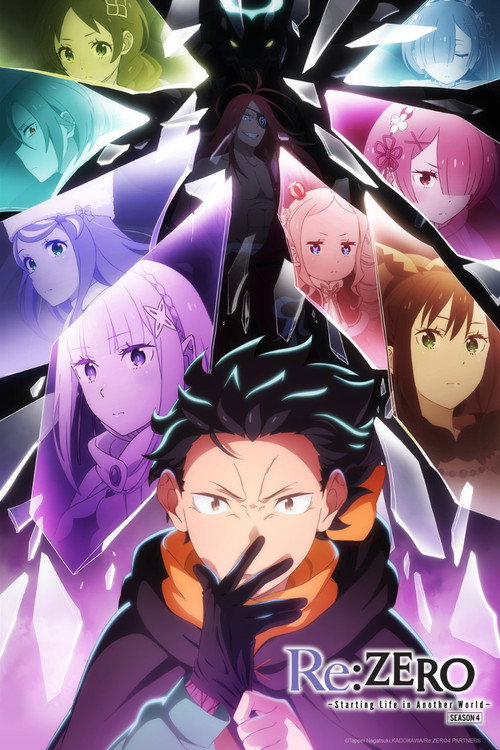
The Anatomy of a CheckpointI’ve always had a bit of a complicated view on the "do-over." We all want one—the idea that if we only knew what was coming, we could fix our mistakes, save the right person, or at least stop ourselves from looking like idiots. Director Masaharu Watanabe took that quiet human wish in 2016 and fed it into a meat grinder. *Re:ZERO -Starting Life in Another World-* is disguised as your typical *isekai*—that genre where a normal guy ends up in a fantasy world to be the hero. But Watanabe isn’t interested in heroism; he’s looking at the psychological damage of being immortal.

The setup seems simple enough. Natsuki Subaru, a kid in a tracksuit clutching a plastic bag of snacks, gets dumped into a medieval kingdom. He fully expects to be the main character, assuming he’ll have magic powers, a big destiny, and a cute girl who relies on him. He finds the girl—Emilia, a silver-haired half-elf—but they’re both brutally killed almost immediately. Then Subaru wakes up back at the fruit stand where he started. He has this "Return by Death" power, which is basically a human save-state. The only catch is he has to die to use it.
And he dies a lot. This isn't some sanitized time-loop like *Groundhog Day*. In *Re:ZERO*, every reset means Subaru has to experience the visceral, agonizing reality of his own death. He’s disemboweled, frozen, beaten to death, and cursed. Even when the camera looks away, the sound design doesn't. There’s a wet, heavy permanence to the violence that feels like a direct insult to the weightless action you see in most of the genre.

It’s hard to talk about the physical toll of the show without mentioning Yusuke Kobayashi’s vocal performance. Anime voice acting usually leans into theatrical tropes, but Kobayashi makes Subaru’s suffering feel uncomfortably real. He reportedly changed his breathing in the booth depending on the wound—shallow gasps for a chest injury, or ragged screaming if he lost a limb. You can hear the difference. As the season goes on, Subaru’s posture starts to curve inward. He stops walking like a cocky teen and starts moving like a stray dog expecting to be kicked.
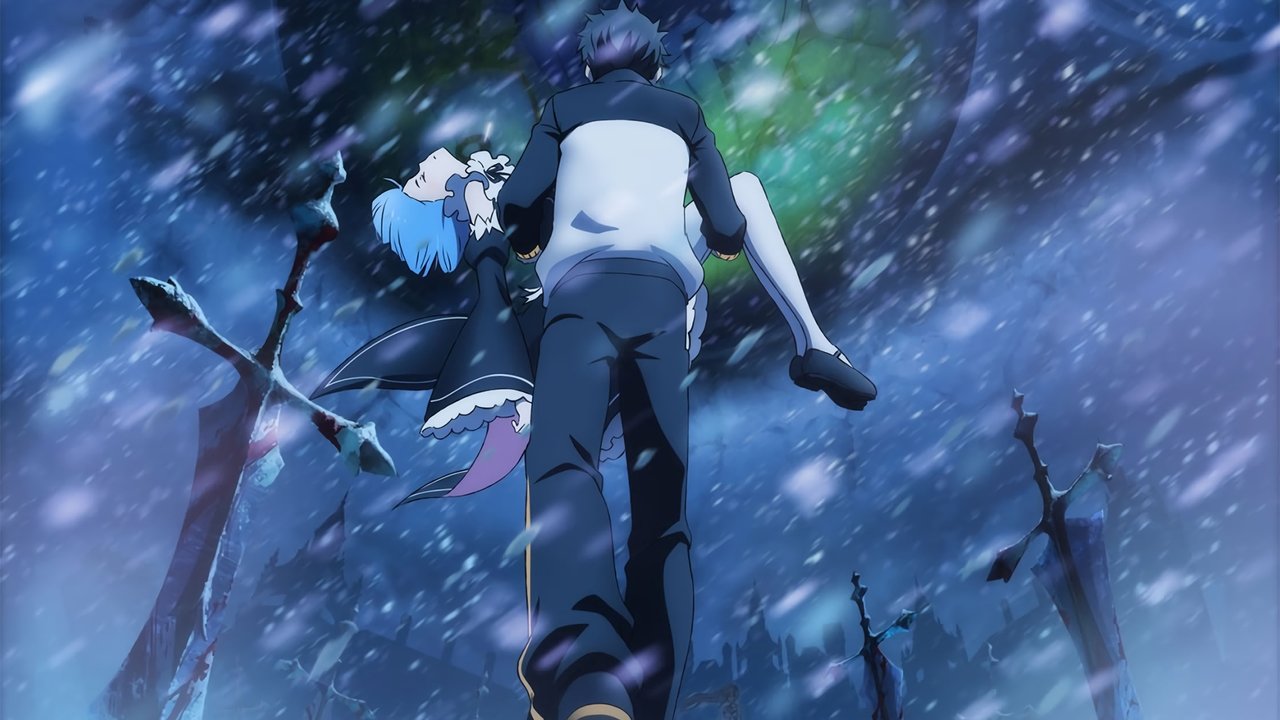
There’s a scene in the middle of the season—episode 15—that I still haven't quite gotten over. Subaru is chained up, forced to watch the cultist Betelgeuse break someone he loves. Watanabe makes this exhausting choice to let the ending credits play over a long, static shot of Subaru dragging a lifeless body through the snow. The snow falls lazily. The camera just waits. It’s a painful stretch of television that forces you to sit with the misery of a boy who thought he was playing a game, only to realize the game hates him.

Is it too much at times? Yeah, definitely. There are moments where the show’s urge to punish its protagonist crosses the line from thematic point to just being sadistic. Sometimes the writing shouts its message when a whisper would have been more effective. It tries to critique the entitlement of anime fans—the toxic idea that suffering for a girl "earns" her love—but then it occasionally falls back into the very tropes it’s trying to dismantle.
Even so, I can’t ignore what Watanabe pulled off here. Beyond the gore and the genre tropes, there’s a surprisingly tender point about why failure is necessary. Subaru doesn’t win because he gets stronger; he wins because he’s forced, death after death, to kill his own ego and actually see the people around him as human beings rather than NPCs. It’s a bruising, messy piece of work, but it left me thinking about the quiet courage it takes to just wake up and try again.