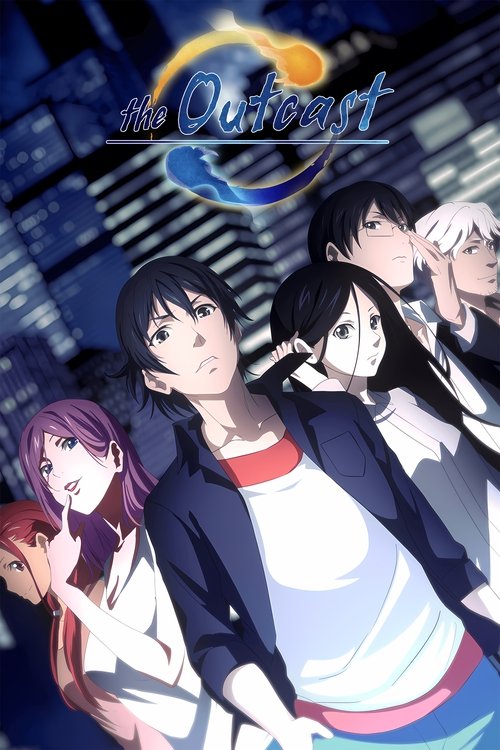

The Shovel and the GraveyardI nearly bailed on it. The first episode of *The OutCast*—the 2016 Chinese-Japanese co-production that helped kick off the modern donghua boom—comes out swinging with a mess of tones that barely seem to belong in the same show. First there’s Zhang Chulan, an ordinary college student, wandering through a rural graveyard at night. Then come the stiff zombie attacks. Then comes a girl carrying a shovel. It all feels cheap and oddly timed, and then the girl suddenly buries the protagonist alive and walks off like she has somewhere else to be.

Whether that opening feels awkward in a bad way or awkward in an intriguing way really depends on how much slack you’re willing to give it. But if you stay with it, the show eventually reveals what it was actually building toward. Adapted from a popular webcomic, it starts as this clunky supernatural horror setup, then gradually peels that away and turns into a broad urban fantasy about hidden societies of Qi-users operating in plain sight. It spends a good stretch groping around for its identity before finally locking into one.
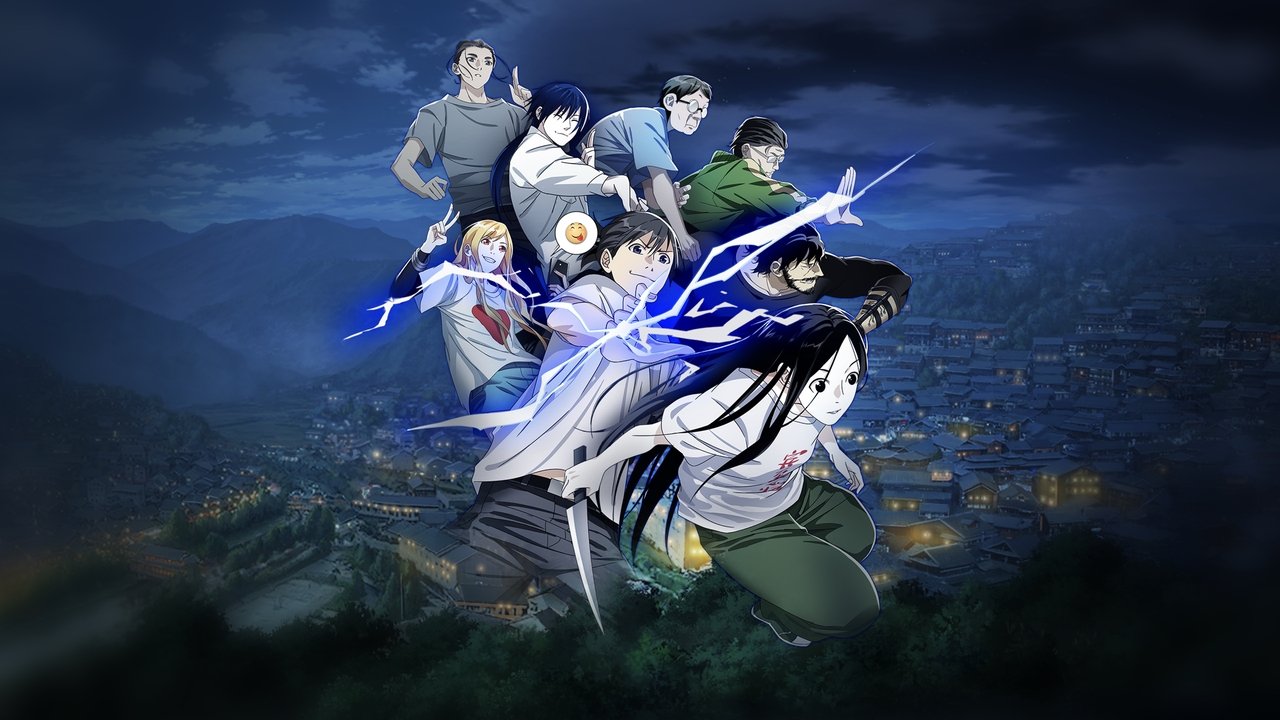
Feng Baobao, the shovel-carrying tomb raider at the center of all this, is a huge part of why it clicks. She doesn’t move like the usual polished action heroine. She slumps. Her posture is awful. She listens to people with that blank, absent stare of someone tuned completely outside the room. When she fights, there’s nothing elegant about it. She’s brutally direct, all heavy blows and ugly efficiency, more cleaver than calligraphy. That physical detail gives her real presence. She’s an ageless amnesiac, and the animation sells her distance from normal human life through those dragging steps and that dead-eyed stillness.

What keeps the early seasons moving is the clash between Baobao’s almost total social blankness and Zhang Chulan’s twitchy, self-preserving panic. He’s technically the protagonist, but most of the time he’s dodging trouble, whining, or scheming his way out of danger. He’ll tell you himself he has no shame. Still, the show has a nice habit of holding on his face just long enough after a gag to catch the strain underneath. He’s spent his whole life hiding what he can do out of loyalty to his dead grandfather. When he finally cuts loose, those somewhat stiff early character models give way to sharp, fluid eruptions of golden lightning.
The jump in craft is honestly one of the most interesting things about the series. Season one feels unfinished in places. By season three, with a different animation studio behind it, the fights become far more confident. They move with speed and weight. The camera swings and circles through hand-to-hand combat, and the magic starts to feel tied to bodies in motion instead of just being a shower of effects.

That visual improvement would mean a lot less if the story didn’t have something solid underneath it. For all the Taoist lore and increasingly elaborate tournament material, *The OutCast* keeps coming back to legacy and the damage it leaves behind. Chulan and Baobao are both stuck to histories they only partly grasp, while the people around them mostly see assets, not human beings. The question running through the series is what remains of you when everyone else wants a weapon. It doesn’t land perfectly every time, but I found the effort itself compelling. The ambition is messy, and the show earns that mess.