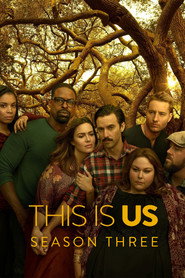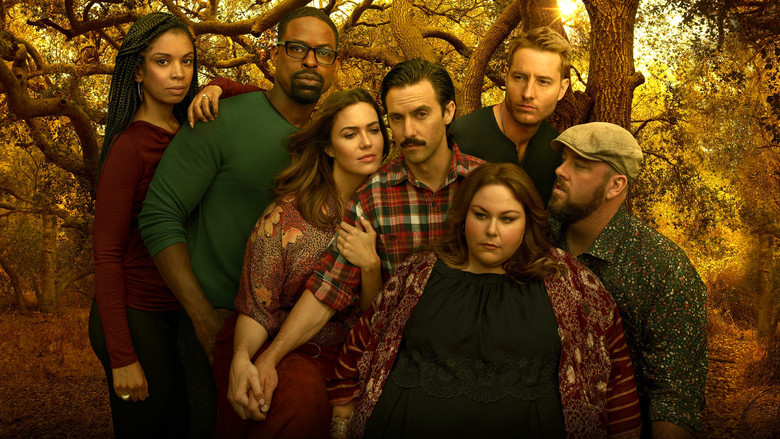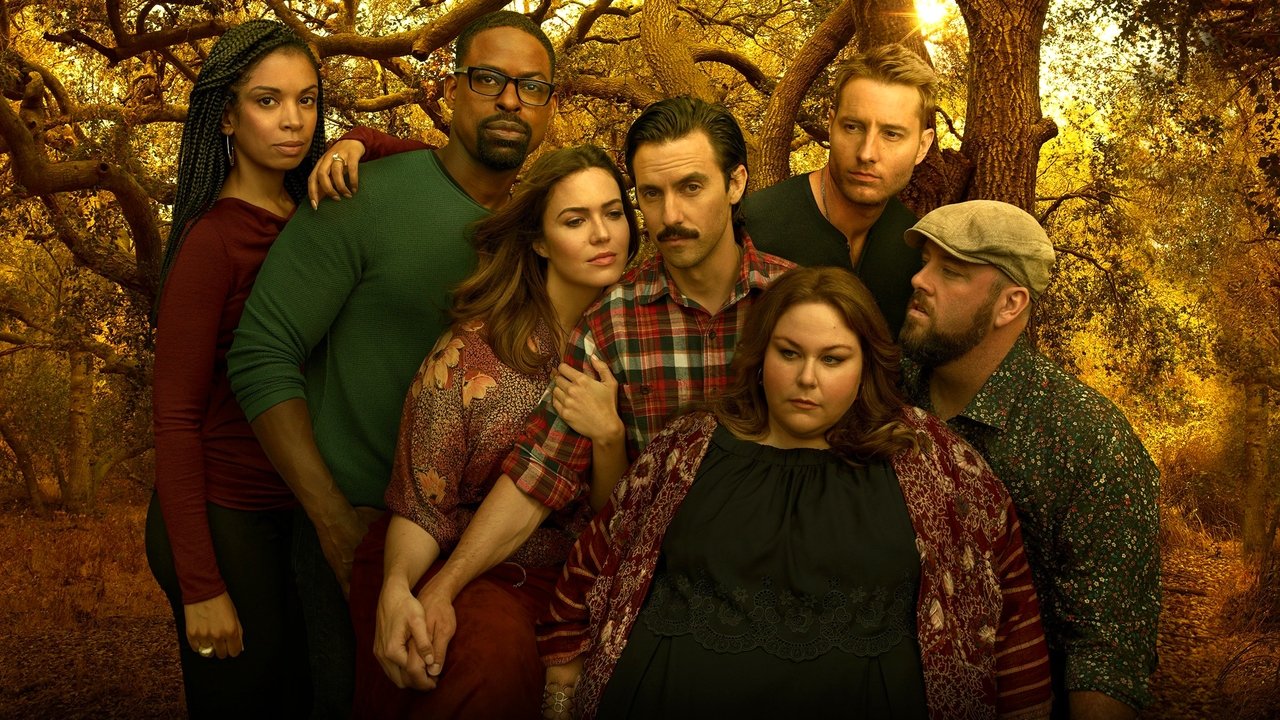


The Geography of Grief and Grape SodaI didn't expect to fall for a network tearjerker. We live in an era of prestige television where cynicism is the default currency, and sincerity often feels like a trap. When Dan Fogelman released *This Is Us* onto NBC in 2016, the television landscape was mostly populated by antiheroes, vampires, and brooding detectives. A multi-generational family drama without a criminal hook seemed almost hopelessly quaint. Yet, sitting down with the Pearson family, I kept repeatedly disarmed by how the show maps the jagged, unpredictable borders of human sorrow and joy. It's a massive, sweeping puzzle box of a narrative, but the pieces are entirely emotional.

Fogelman's specific genius here isn't the twisting timelines, though those certainly keep the engine humming. It's his understanding of how the past refuses to stay past. We watch Jack (Milo Ventimiglia) and Rebecca (Mandy Moore) struggle through the hazy, exhausting trenches of young parenthood in the 1980s, only to immediately see the psychological residue of those years manifested in their adult children. Grief, in this show, isn't something you get over. It's something you carry. Sometimes it's a heavy urn sitting on a mantle. Other times, it's just the quiet ache of watching a football game alone because the person who taught you the rules is gone. Fogelman treats nostalgia not as a warm blanket, but as a ghost that haunts the present.

The undeniable anchor of the series is Sterling K. Brown as Randall. Coming off his Emmy-winning turn as Christopher Darden in *The People v. O.J. Simpson*, Brown knows exactly how to play a man vibrating with the stress of trying to perfectly navigate a predominantly white world. Watch his posture when he finally confronts his biological father, William (Ron Cephas Jones). His shoulders are rigid, his jaw tight with decades of practiced control, but his voice betrays a little boy's desperate, furious need for answers. Brown takes scenes that could easily tip into engineered melodrama and grounds them in a devastating, stuttering reality. He makes the act of just trying to be a good man look like an agonizing athletic feat.

Of course, the machinery sometimes shows. Fogelman occasionally pushes the emotional manipulation a bit too hard, relying on acoustic indie-folk needle drops to instruct us on exactly how to feel. There's a sheen of engineered sentimentality that occasionally glosses over the messier realities of the Pearson clan. Still, I keep coming back to a thought from TVLine's review, which noted that the show earns its impact "not by pulling a rabbit out of its hat, but just by looking deeply and honestly into human lives". *This Is Us* doesn't always play fair with our tear ducts, but it genuinely believes in the people it puts on screen. That kind of warmth is rare. And maybe, in a cold world, a little manufactured light is exactly what we need.