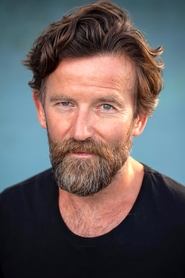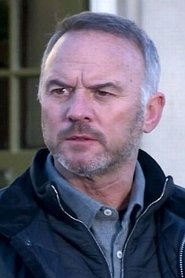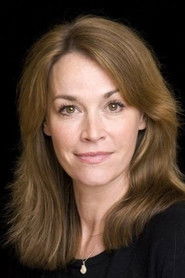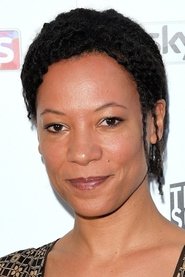

Sorted poster background
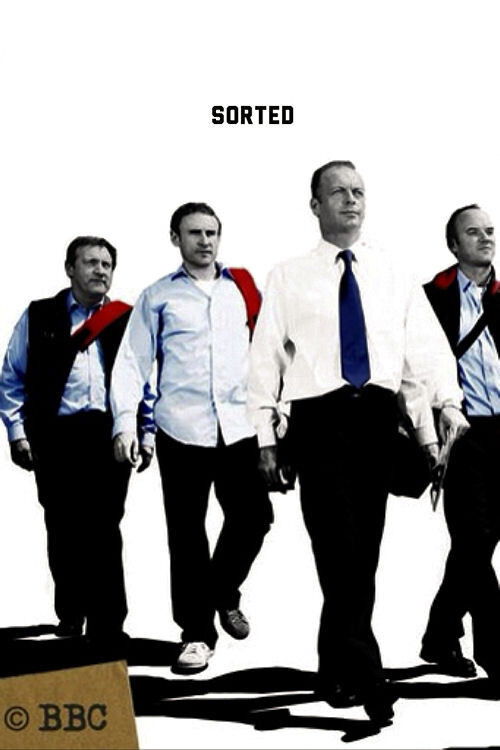
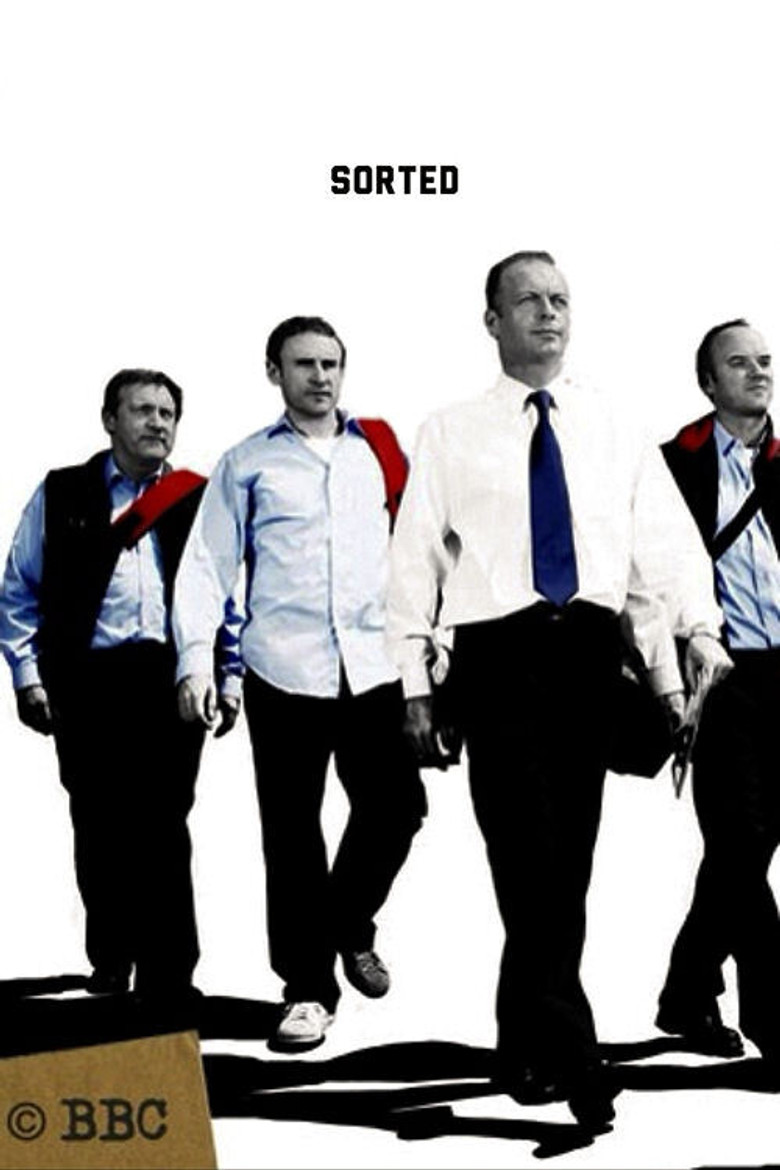
Sorted poster

Sorted

8.3
2006
1 Season • 6 Episodes
Drama

Overview

Sorted is a six-part BBC television comedy-drama series about the personal and professional lives of several postmen. It initially broadcast in 2006 on BBC One and BBC HD. Created by Danny Brocklehurst, the series, set in Manchester but filmed in Stockport, stars Neil Dudgeon, Will Mellor, Hugo Speer, Cal MacAninch, and Dean Lennox Kelly.

Sponsored

Cast

Reviews

AI-generated review
The Banality of Pink

There’s a kind of exhaustion that settles deep when you finally see the adults in charge are not going to rescue you. That’s the mood humming underneath *Harry Potter and the Order of the Phoenix*. Up through 2007, the movies still clung, however lightly, to childhood’s safety net. Dumbledore had a plan. The Ministry felt foolish, maybe, but basically functional. Then David Yates arrives and rips that comfort away. He washes the series in cold blues and metallic grays. Suddenly the threat is no longer only some beast lurking in the forest. It’s institutional gaslighting.

Harry and friends in the Department of Mysteries

Yates’s first entry changes the franchise for good, pushing wonder aside for teenage fury and political repression. That was a risky move. The novel is enormous, unwieldy, and far more interested in frustration than triumph. Still, Yates and screenwriter Michael Goldenberg trim it into something sharp and tense. As Claire Gross of *The Horn Book* wrote at the time, the film works by "surgically snipping subplots to build on the main emotional themes of the book: Harry's pathological distrust of authority." And that distrust ends up with one unforgettable face. A round, simpering, relentlessly pink face.

I’m talking about Dolores Umbridge, of course. Imelda Staunton plays the Senior Undersecretary to the Minister of Magic not like a cackling dark sorcerer but like a petty bureaucrat with total confidence in her own righteousness. Watch what she does with her body. The back stays straight, the hands fold neatly at the waist, the voice comes out in that breathy little giggle. She makes politeness feel like a weapon. After her Oscar-nominated, profoundly humane work as a back-alley abortionist in *Vera Drake*, this turn into someone with no moral flexibility at all is astonishing. Staunton knows cruelty doesn’t always wear black robes. Sometimes it shows up in a tweed cardigan and smiles while wrecking your life.

Dolores Umbridge standing in her pink office

The detention scene is where all of that locks into place. Harry sits in Umbridge’s suffocating pink office, ringed by plates of mewing kittens. She tells him to write lines with a special quill. *I must not tell lies.* The moment he presses nib to parchment, Daniel Radcliffe’s jaw tightens and the words carve themselves into the back of his own hand in blood. Umbridge just watches. Staunton never goes broad with it; she merely tips her head, almost pleased, like a teacher watching a student finally understand a lesson. It feels horribly intimate. Staunton later said she felt physically ill filming it, wrestling with what casual sadism actually looks like in human form.

That isolation—the sensation of bleeding in silence while the system insists everything is perfectly fine—is what finally pushes Harry into leadership. Dumbledore's Army, gathered in the Room of Requirement, becomes the film’s answer to Umbridge’s tyranny. The training montage has a scrappy, urgent pulse. It plays less like school and more like a basement punk gig. These are children teaching themselves to survive because every institution above them has failed.

Dumbledore's Army practicing magic

By the end, *Order of the Phoenix* cares less about defeating a dark lord than about living through the silence of the people who should have stood beside you. Radcliffe, fully outgrowing his child-star shell, carries that in his hunched shoulders and those furious, depleted eyes. The movie ends in a messy place. The glass is shattered. The war is public. But there’s a strange kind of relief in finally seeing the danger clearly, even if you have to face it on your own.