
Season 1
13 episodes Oct 11, 2016 ★ 7.3
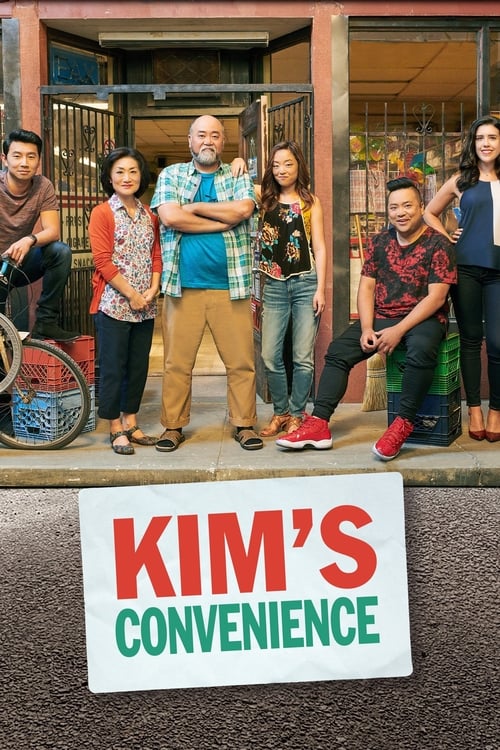
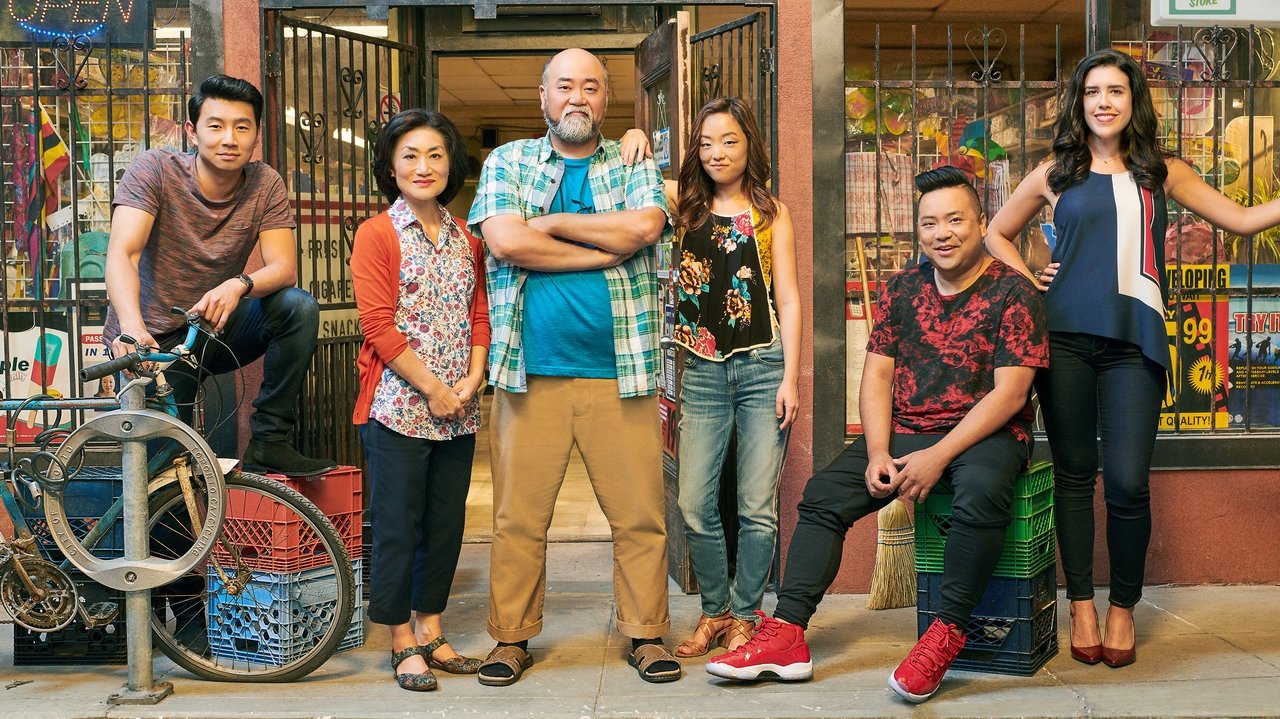
The funny, heartfelt story of The Kims, a Korean-Canadian family, running a convenience store in downtown Toronto. Mr. and Mrs. Kim ('Appa' and 'Umma') immigrated to Toronto in the '80s to set up shop near Regent Park and had two kids, Jung and Janet who are now young adults. However, when Jung was 16, he and Appa had a major falling out involving a physical fight, stolen money and Jung leaving home. Father and son have been estranged since.
Latest episode: S5 E13 Friends and Family (Apr 13, 2021)


Specials.
When I think about Kim’s Convenience, I don’t think first of jokes, even though there are plenty. I think of a fluorescent-lit store in downtown Toronto, the kind of place where every aisle seems to know your history. That’s the show’s quiet trick: it turns a convenience store into a family archive, a workplace, and a pressure cooker, all at once.
The comedy comes from being trapped in the same room with the people who made you who you are. That’s not a setup so much as a life condition.
Premiering in 2016 and running for five seasons, the series arrived at a moment when North American television was finally getting a little less lazy about whose stories counted as “universal.” But I don’t mean that in the smug, award-show way. What mattered about Kim’s Convenience was its ordinariness. It wasn’t shouting about representation as an abstract principle; it was letting the Kims argue over socks, tenants, parking, dating, and the humiliations of surviving adulthood in public.
That domestic scale is the point. Insisting on the small stuff is how the show makes room for the big stuff: immigration, parenthood, estrangement, class, the distance between what parents sacrifice and what children can ever really repay.
I’ve always thought the best family comedies understand that love and irritation are usually the same emotion wearing different shoes. Kim’s Convenience gets that better than most. Appa’s stubbornness isn’t just a joke machine; it’s the hardened form of a life spent making do. Umma’s exasperation has a rhythm to it, a briskness that suggests someone who has spent decades translating the world for everyone else and is now increasingly tired of the job.
Their children, Jung and Janet, aren’t simply “modern” in contrast to their parents. They’re each carrying different versions of inheritance: guilt, impatience, tenderness, escape. The show’s emotional intelligence comes from refusing to flatten any of that into a neat generational debate.
Paul Sun-Hyung Lee gives Appa a physical vocabulary that’s doing half the writing for him. He leans into rooms as if he’s testing the resistance of the air. His face can harden into authority, then crack sideways into something almost boyish when he’s caught off guard.
Lee had already built a career in Canadian television, but this role asked him to do something rarer: play a father whose bluster is inseparable from fear. You see it in the way Appa handles objects—shopping baskets, store keys, paperwork, a mop, anything that can be turned into a symbol of competence. He needs the world to be arranged in a way that confirms he’s still in charge.
Series
Related series ranked by rating and popularity.