
Tigers About the House backdrop
Tigers About the House poster

Tigers About the House

4.0
2014
2 Seasons • 5 Episodes
Documentary

Overview

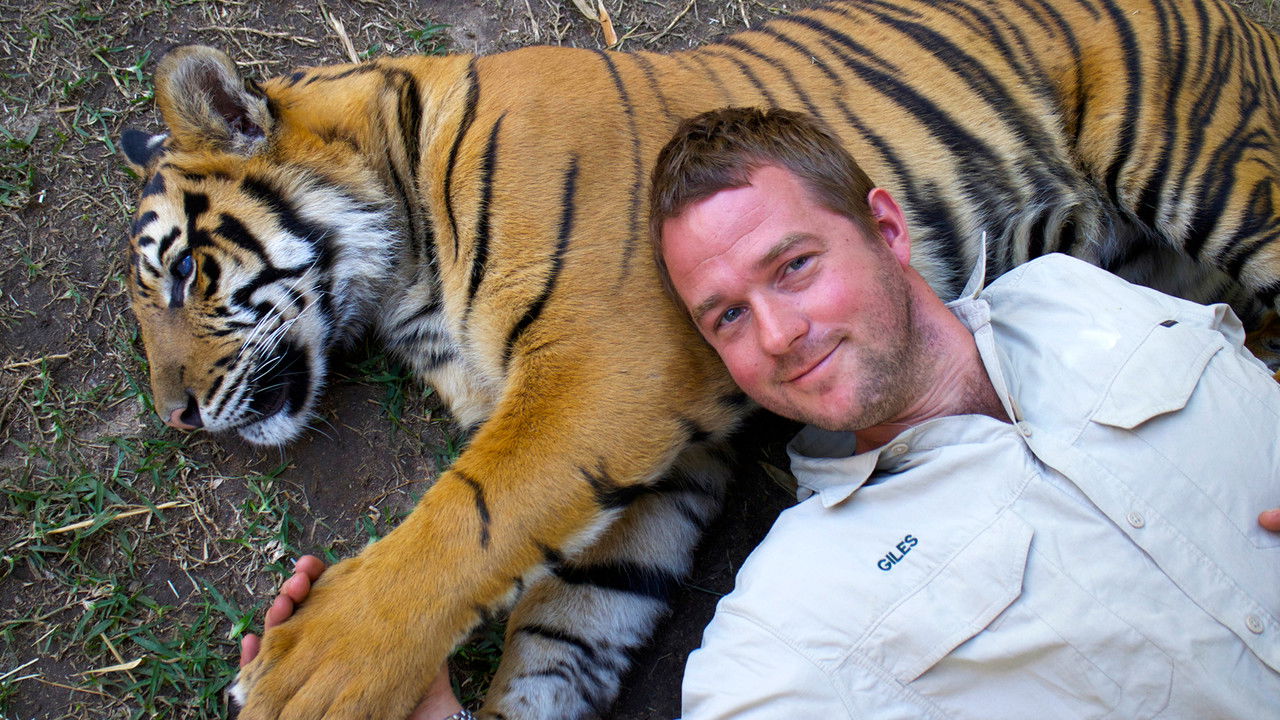
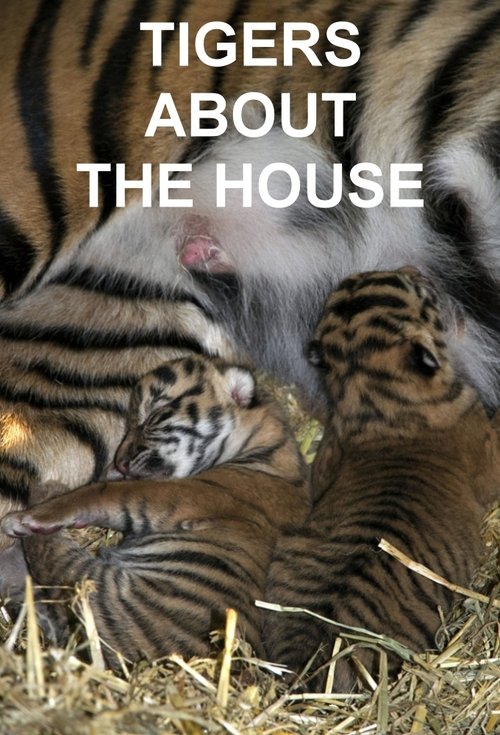
Giles Clark, British Tiger expert and Head of Big Cats at Australia Zoo, hand rears the most genetically important Sumatran tigers in the world, brothers, Spot and Stripe. To ensure the cubs survival, Giles is taking Spot and Stripe home to live with his boisterous family.

Sponsored

Cast

Reviews

AI-generated review
The Blood on the Cotton

About halfway through *Django Unchained*, the movie stops feeling like a stunt and starts feeling like a dare. Tarantino takes the ugliest wound in American history—chattel slavery—and runs it through the gaudy machinery of a Spaghetti Western. On paper that should collapse immediately. The tones crash into each other so hard the film seems at risk of flying apart. But it keeps moving. I still can’t decide whether it’s a serious act of historical revenge or a piece of gleeful pulp that knows exactly what it’s doing. Maybe it has to be both. A.O. Scott got close when he called it "crazily entertaining, brazenly irresponsible and also ethically serious in a way that is entirely consistent with its playfulness."

Dr. King Schultz and Django traversing the snowy wilderness

Tarantino has always built films out of things he loves from older movies. Here he borrows Corbucci’s *Django*, Morricone’s grandeur, bounty hunters, saloons, fast draws—the whole genre skeleton—and turns it loose on the antebellum South. He calls it a "Southern," which is glib but not wrong. The plantation world doesn’t get any moonlit prestige treatment. These owners are grotesques: vain, childish, vicious men upholstered in velvet and power.

The dinner at Candyland is where the air really changes. Up to that point, the movie can float as a dark buddy adventure. Then Calvin Candie realizes Django and Dr. King Schultz are playing him, and everything curdles. Tarantino keeps edging the camera closer to Leonardo DiCaprio as hospitality drains out of Candie’s face. He points a shotgun at Broomhilda. He takes out a skull and starts sermonizing about phrenology. And then there’s the production accident that became legend: DiCaprio smashing a crystal glass with his hand, bleeding for real, and refusing to break character. He keeps talking, keeps performing dominance, even picking glass from his palm with tweezers. It’s hideous and mesmerizing, not because of the blood itself but because it gives Candie’s power a physical stink.

Calvin Candie holding court at the sprawling Candyland plantation

DiCaprio is terrific here, all rot hidden under charm. The silver cane, the bad teeth, the oily host routine—everything about him suggests a man who mistakes cruelty for breeding. But the figure who really unsettles the film is Stephen. Samuel L. Jackson plays him with a whole history in the body: bent over a cane, eyes narrowed with suspicion, absolutely ferocious about guarding his place beside power. Roger Ebert wrote that Stephen "confirms that in some putrid sinkhole of his soul, he regards himself as white." It’s one of the film’s ugliest and boldest ideas, because it refuses the comfort of neat moral categories.

Against all that noise, Jamie Foxx has the hardest job in the cast, which is to stay calm enough to keep the movie from tipping over. He does it largely by withholding. Early Django is watchful, quiet, still learning what it means to move through the world armed and mounted and momentarily unowned. Foxx lets the change happen in his body. The shoulders loosen. The stance widens. By the end, he moves like a man who has fully stepped into the myth being built around him.

Django preparing for the explosive final confrontation

No, it isn’t flawless. The last stretch runs long and starts numbing itself with gunfire after the exquisite tension of the dinner table. Tarantino’s Australian-accent cameo is the kind of indulgence only Tarantino seems to find necessary. But excess is baked into the movie’s whole strategy. *Django Unchained* isn’t interested in dignified instruction. It wants spectacle, outrage, and detonation. It turns slavery into the fuel for a revenge fantasia and lands somewhere messy, combustible, and weirdly cathartic. Whatever else it is, it’s alive.