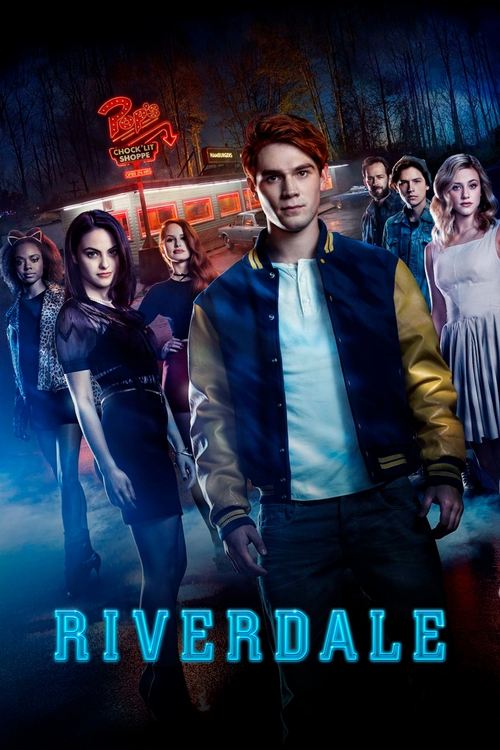
The Neon Nightmare of the American TeenI still remember the jolt of watching *Riverdale*'s first season in 2017. They promised a darker, sexier Archie, a joke that somehow wasn’t funny. Roberto Aguirre-Sacasa served up something stranger: a glittering, absurd fever dream soaked in neon. High school sophomores spoke in dense paragraphs about Truman Capote and Gothic cathedrals while slouching around a diner that looked like an Edward Hopper painting drenched in corn syrup. I never knew if it was good. I still don’t. But my eyes were glued to the screen.

Watching *Riverdale* now, after that exhausting, unhinged seven-season stretch ended in 2023, feels like opening a time capsule from when the CW let a teen soap go full chaos. It kicks off as a murder mystery that tries to feel grounded: a boy in a river, a town with secrets. It’s *Twin Peaks* for the Instagram crowd, wrapped around some of America’s most wholesome IP. Aguirre-Sacasa didn’t just adapt the comics—he peeled back the glowing myth of the American teen with a scalpel.
The cinematography keeps hammering that rot underneath everything. It’s almost always damp. Shadows in the Blossom mansion crawl across floors like ink spills, and the fog that slips through town looks like something you could choke on. But the strain really happens with the cast, who have to treat archetypes like real people even while the scripts ask them to do the impossible.

Cole Sprouse’s Jughead Jones shows that strain best. He came from the over-the-top Disney Channel world and had to relearn how to move. You can feel it. His Jughead is a wound-up bundle of pretension and trauma. He skitters around scenes with shoulders permanently hunched, using that beanie like armor against a world he resents. (Sprouse fought to keep Jughead asexual, like in the comics, but the network pushed the romance with Lili Reinhart’s Betty anyway.)
Early in season one, there’s a scene that sums the whole show up. Jughead and Betty are arguing, and Jughead drops a monologue about not fitting in. “I’m a weirdo,” he says, voice cracking between defiance and shame. “I don’t want to fit in.” It’s painfully cringe. But Sprouse’s jaw is so tight you can see the muscle twitch. He grounds the ridiculousness in real, messy teen pain. Kyle Fowle at *Paste Magazine* nailed it—Jughead’s overwrought voiceovers “embody the best and worst of Riverdale,” a glitzy surface that sometimes slips and shows something sharp underneath.

Eventually the show fully lost it—serial killers, cults, parallel universes, superpowers. It turned into a meme. Still, those early episodes have a weird charm before the plot’s weight crushed the vibe. Whether the camp-fueled descent is a flaw or a feature depends on how much melodrama you can take. For a short, strange stretch, *Riverdale* transformed some of the safest characters in American pop culture into something deliciously dangerous.