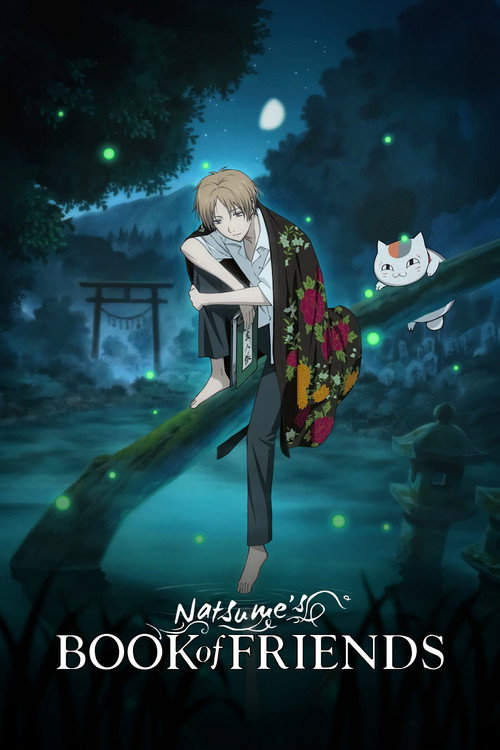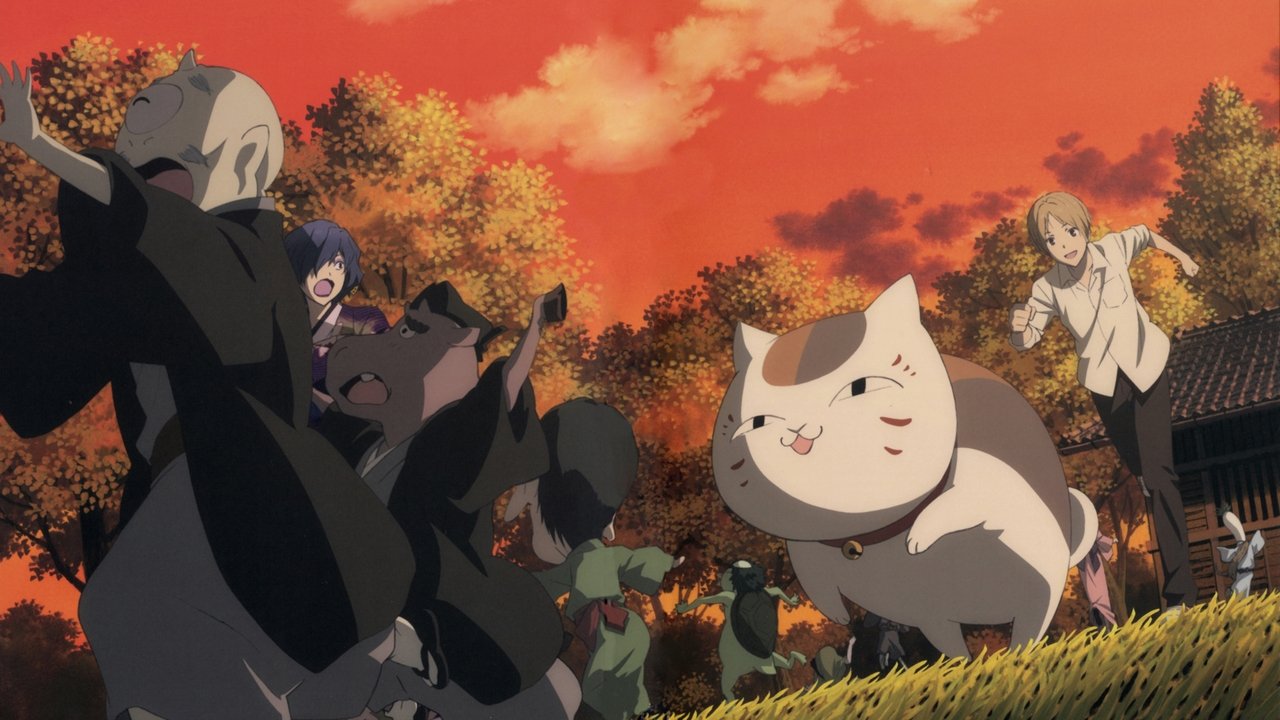

Natsume's Book of Friends backdrop
Natsume's Book of Friends poster

Natsume's Book of Friends

8.1
2008
7 Seasons • 86 Episodes
AnimationSci-Fi & Fantasy
Director: Hideki Ito

Overview

Natsume Takashi has the ability to see spirits, which he has long kept secret. However, once he inherits a strange book that belonged to his deceased grandmother, Reiko, he discovers the reason why spirits surround him.

Sponsored

Trailer

Natsume’s Book of Friends Season 7 | OFFICIAL TRAILER Official

Cast

Reviews

AI-generated review
The Anatomy of a Quiet Haunting

Modern fantasy is usually so incredibly loud. We're conditioned to expect world-ending stakes, sprawling magic systems, and protagonists who punch their way out of generational trauma. I've spent enough time in dark movie theaters watching CGI cities crumble to know the rhythm of the modern spectacle. So when you sit down with *Natsume’s Book of Friends*—a series that has quietly amassed 86 episodes across seven seasons since 2008—the sheer silence of it's almost startling. It belongs to a specific Japanese subgenre called *iyashikei*, or "healing" entertainment. But that label always sounds a bit medicinal to me. What this show actually does is much more complicated than simply soothing its audience.

A quiet rural town at dusk

Takashi Natsume sees spirits. He always has. Because of this, he was bounced around foster homes as a deeply strange, nervous child who reacted to invisible terrors. Now a teenager living with a kind but distant aunt and uncle, he inherits a notebook from his late grandmother, Reiko. The book contains the bound names of yokai she defeated, granting the owner control over them. The standard anime playbook dictates that Natsume should use this power to become a warrior. Instead, he decides to track down every spirit in the book and give their names back. That's the whole premise. I’ll admit, the rigidly episodic structure can occasionally wear thin. By the middle of the third season, you can start to feel the gears of the formula turning—a spirit appears, causes a minor misunderstanding, reveals a tragic backstory and receives its name. Whether you find that repetitive or comforting depends entirely on your patience for slow-drip storytelling.

But when it works, it completely rewrites the emotional rules of the genre. As a piece in CBR correctly noted, the series "broke all the fantasy tropes back in the early 2000s mainly by mixing the slice-of-life genre within the plot". It treats exorcism not as combat, but as therapy. Just look at the physical mechanics of the show's central magic. When Natsume returns a name, he doesn't chant a grand spell. He tears the page from the book, places the paper delicately between his lips, claps his hands together, and exhales. The ink literally lifts off the parchment, carried away on his breath. It's a profoundly intimate, vulnerable gesture. It also physically exhausts him. The animators make sure we see the toll it takes; after a release, Natsume often slumps forward, his skinny frame heavy, gasping for air. Magic here isn't a superpower. It's labor.

Natsume holding the Book of Friends

What truly anchors the whole endeavor is Hiroshi Kamiya’s vocal performance as Natsume. If you know Kamiya’s work, you know him as the voice of intense, highly wound men—he’s Levi in *Attack on Titan*, for God's sake. Hearing him here is genuinely disorienting at first. He strips all the bass and bravado out of his chest, speaking in a fragile, hesitant register. He sounds like someone who is constantly apologizing for taking up space. You can hear the stiffness in his early narrations, a kid who has learned that keeping his mouth shut is the only way to survive. Over the course of the seven seasons, Kamiya lets the tiniest increments of warmth bleed into his line deliveries as Natsume slowly realizes his foster parents and new friends aren't going to abandon him.

And then there's the grandmother, Reiko. We only see her in flashbacks, usually through the memories of the spirits she bullied and befriended. She's a fascinating phantom. She was abrasive, funny, and deeply lonely—using the spirits as substitutes for the human connections she couldn't forge. I sometimes wonder if the show wouldn't be equally compelling if it were just about her. Natsume is essentially spending his adolescence cleaning up his grandmother's emotional messes. He is literally carrying the weight of his ancestor's unquiet life in his book bag.

A spirit looking down at Natsume

It takes a long time to realize that *Natsume’s Book of Friends* isn't really about ghosts at all. The yokai are just colorful, occasionally terrifying metaphors for the things that isolate us. The show asks a very simple, very difficult question: How do you learn to trust people when your entire childhood taught you not to? Watching Natsume learn to let his shoulders drop, to occasionally laugh without covering his mouth, to complain to his fat cat bodyguard Nyanko-sensei—it’s a painfully gradual process. There are no sudden epiphanies. Just the slow, quiet accumulation of days where nothing terrible happens. In a medium obsessed with saving the world, there's something deeply radical about a story that just wants to save one kid.

Opening Credits (3)

Natsume Yujin-cho - Opening 3 | Boku ni Dekiru Koto

Natsume Yujin-cho - Opening 2 | Ano Hi Time Machine

Natsume Yujin-cho - Opening 1 | Issei no Sei