
The Engine of ObsessionThe “retired cop dragged into one last case” setup is worn nearly smooth by now. We all recognize the grooves. That’s part of what makes *Mr. Mercedes* unexpectedly nasty. David E. Kelley’s adaptation of Stephen King starts by handing us exactly the figure we expect: Bill Hodges, played by Brendan Gleeson as a slumped, heavy-breathing former detective with beer in hand and contempt for the neighborhood kids outside. It looks familiar right up until the show takes that old machinery and steers it somewhere much meaner.

The opening is brutal enough to announce the tone immediately. It’s 2009, the recession is still chewing through lives, and a crowd of desperate job seekers waits in the cold outside a civic center. Jack Bender and Kelley let the scene sit. You hear people talking, hoping, trying to hold themselves together. Then headlights push through the fog. A stolen Mercedes appears, driven by a man in a clown mask who doesn’t hesitate for a second. He speeds up. Bodies are tossed into the air and slapped against the pavement with a sickening weight. It plays with the same gut-churning familiarity as the real vehicular attacks that would soon become part of the news cycle. *The Irish Times* put it neatly in its review of the pilot: "Losing control, however, will be the obsession of the series." The massacre isn’t just the thing that starts the plot. It’s the wound everything else keeps worrying.
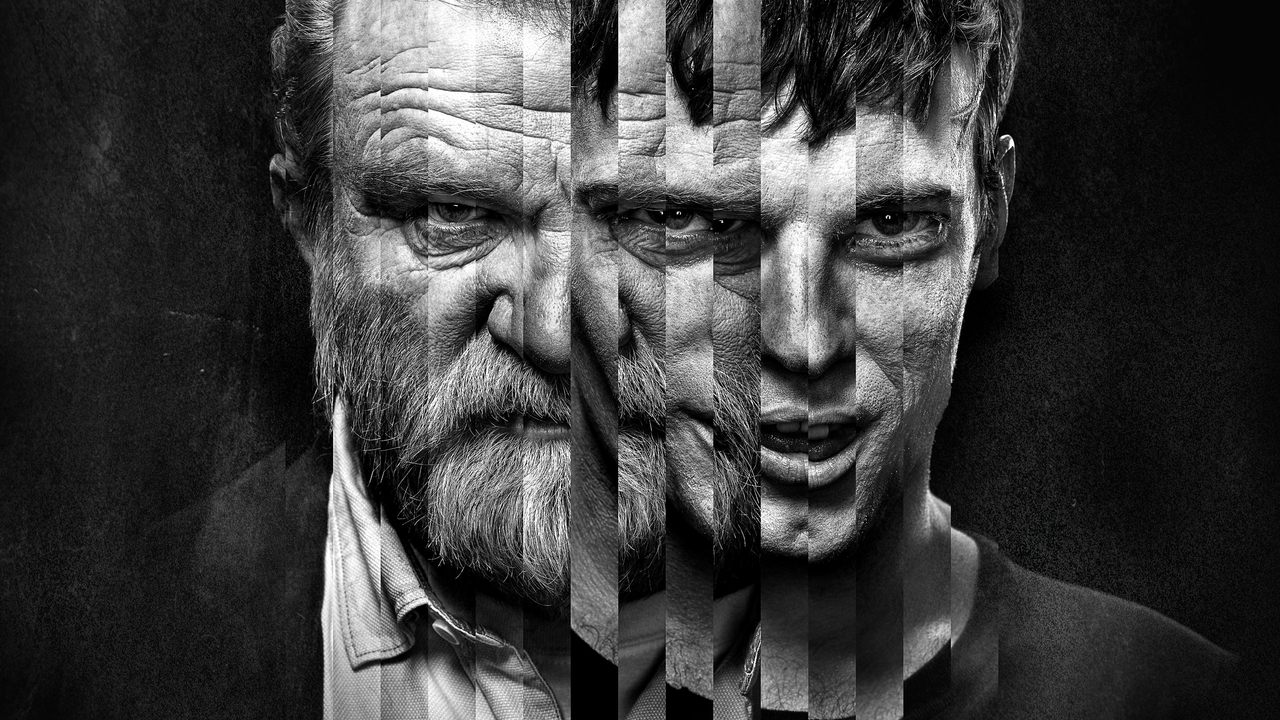
Gleeson is what keeps the show from floating off into pulp. He plays Hodges without vanity. After so many turns as amiable rogues or eccentric authority figures, there’s something disarming about how physically defeated he lets this man become. Hodges lowers himself into his chair like gravity has increased just for him. He’s kept company by a tortoise, a stack of records, and the digital taunts of the killer who has decided to make him useful again. Gleeson doesn’t so much speak lines as grind them around in his mouth. Around Holland Taylor’s wonderfully sharp Ida, you catch the faintest flicker of a man who remembers life, and then it disappears.

Across from him, though usually separated by screens and firewalls, is Harry Treadaway’s Brady Hartsfield. King has always been good at taking the ordinary and infecting it with dread, and Brady is a perfect example. He’s not some mythic criminal mastermind tucked away in gothic darkness. He works retail. He drives an ice cream truck. He goes home to an alcoholic mother and a relationship with her that the show pushes into deeply uncomfortable territory. I’m not sure it had to lean quite that hard on the incestuous undertones, but it certainly gets under the skin. Treadaway plays Brady like a man compressing himself to survive his own fury, shoulders curled in, chin tucked, swallowing humiliation until it mutates into plans for violence.
There are stretches where the show sags. Kelley’s urge to flesh out every supporting player means the central duel sometimes loses urgency, and there are episodes where you mostly want Hodges to stand up and get moving. Still, that drag also fits the worldview. Actual detective work is rarely glamorous. Sometimes it really is just a lonely man staring at a screen, waiting for the other lonely man on the far side to blink.

What lingers isn’t the violence or even the later supernatural creep. It’s the solitude. Hodges and Brady are both sealed off from ordinary human life, reduced to communicating through insults, threats, and digital static. They need each other because nobody else is really hearing them. That’s the part that stays cold after the credits: the sense that modern life can turn obsession into the closest thing some people have to intimacy. Whether that makes the series bleakly honest or just bleak will depend on your appetite for darkness. I finished it feeling chilled either way.