
Season 1
10 episodes Dec 1, 2017 8.2
A missing child sets four families on a frantic hunt for answers as they unearth a mind-bending mystery that spans three generations.
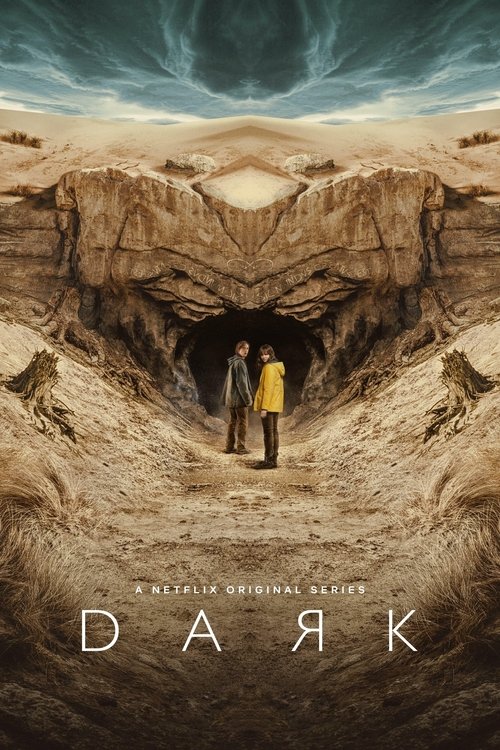
A missing child sets four families on a frantic hunt for answers as they unearth a mind-bending mystery that spans three generations.
Latest episode: S3 E8 The Paradise (Jun 27, 2020)
A missing child sets four families on a frantic hunt for answers as they unearth a mind-bending mystery that spans three generations.

Six months after the disappearances of Mikkel, Jonas and Ulrich, Winden's web of mysteries deepens -- and the fate of the world hangs in the balance.

The time-twisting madness reaches its conclusion in a strange new world, where some things are quite familiar — and others are disturbingly not.

I still catch myself staring at wet asphalt after a heavy rain and thinking about Winden. It is hard not to. When Netflix dropped Dark back in 2017, the immediate temptation was to slap a lazy label on it—"the German Stranger Things" was the prevailing shorthand.
Sure, there’s a small town, a missing child, and a menacing facility humming in the background (in this case, a nuclear power plant). Yet that comparison falls apart the moment you actually watch a few episodes. What creators Baran bo Odar and Jantje Friese built is not a nostalgic joyride.
It is a dense, rain-soaked meditation on grief, masquerading as a time-travel thriller.
I am not entirely sure any show has ever demanded this much of its audience. Over three meticulously plotted seasons, Dark refuses to hold your hand. You have to keep track of four interconnected families across multiple decades, untangling a bootstrap paradox that turns family trees into suffocating, inescapable knots.
(I literally had to keep a notepad on my coffee table during season two, and I am not ashamed to admit it.) Michael Frank over at RogerEbert.com nailed it when he wrote that the series "blasts you with multiple timelines, interconnected family trees, and more questions than you can hope to answer."
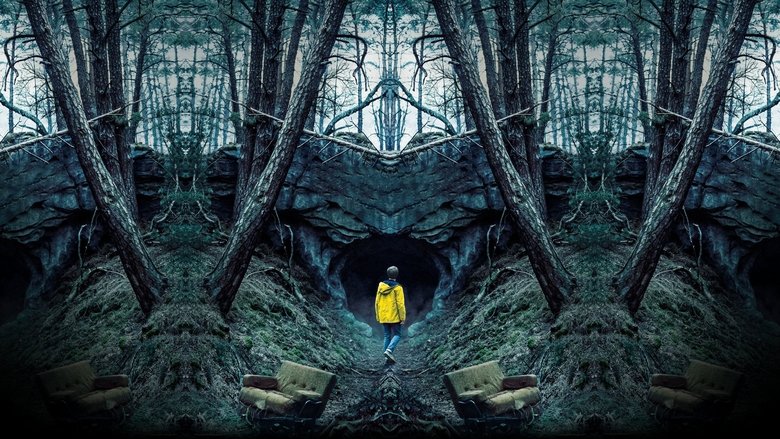
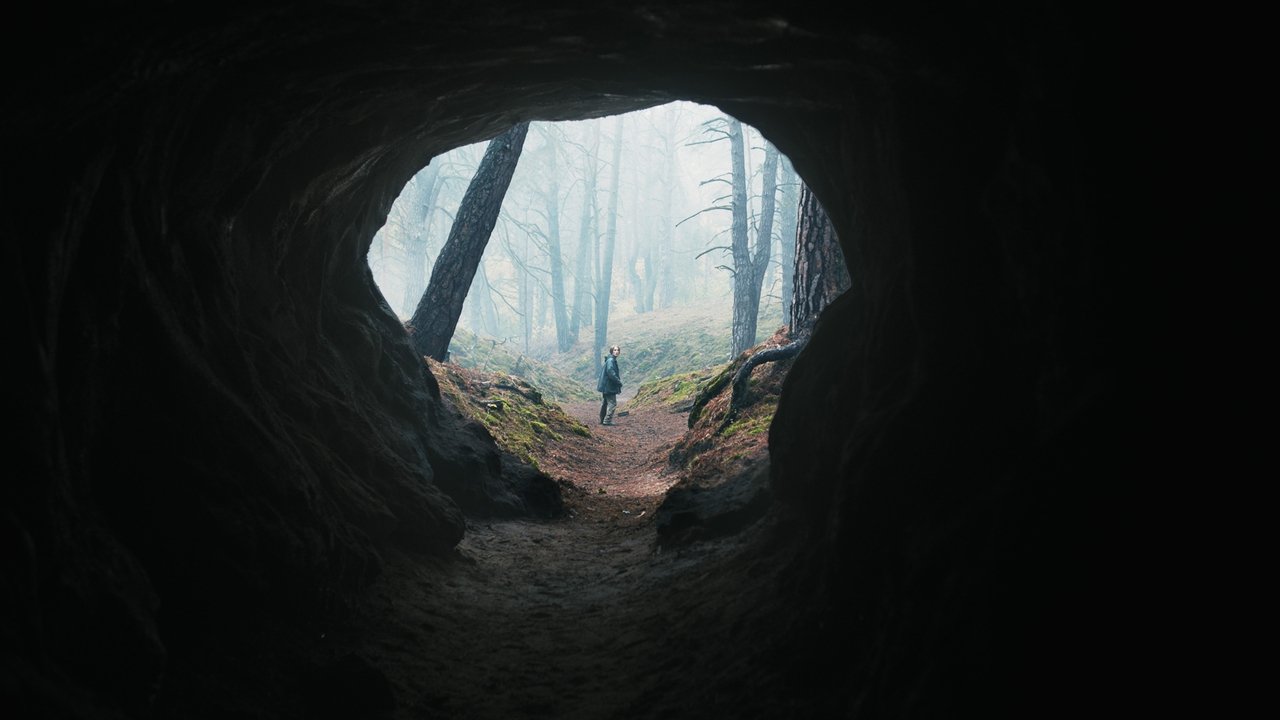
The visual language of Winden is oppressive. Gray skies, deep shadows, and an endless expanse of woods that feel like they are slowly swallowing the town whole. Bo Odar directs with a cold, geometric precision.
"A dense, meticulously planned time‑travel saga that trades accessibility and comfort for one of the most intricate and satisfying sci‑fi mysteries on TV."
Praise centers on the painstakingly structured plot, consistent internal logic, and how every reveal clicks into place across three seasons, backed by strong performances, uncanny casting across ages, and a haunting audiovisual style. The flip side is a very slow, heavy start, extreme complexity that often requires charts or rewatches, and a relentlessly bleak tone, with a noticeable dip in energy and satisfaction for some during the final season.
If you thought Winden was chaotic, wait till you peek behind the camera. From possible co-star romance to an international plagiarism scandal swirling around the show’s creators, the real-world universe of Dark is just as tangled as its timelines—minus the radioactive caves.
 ....
.... .
.Loading Instagram post…
https://www.instagram.com/reel/DRkd1uaCALY/
..In true Dark fashion, the off-screen story is a knot of confirmed facts, unconfirmed romances, legal thunderclouds, and fan theories that refuse to die. No matter how many cycles we go through, it seems Winden—and the people who built it—will never fully escape the loop of internet obsession.
Entertainment rumors and trivia aggregated from public reporting. Treat speculation as unverified unless a cited source confirms it.
Series
Related series ranked by rating and popularity.