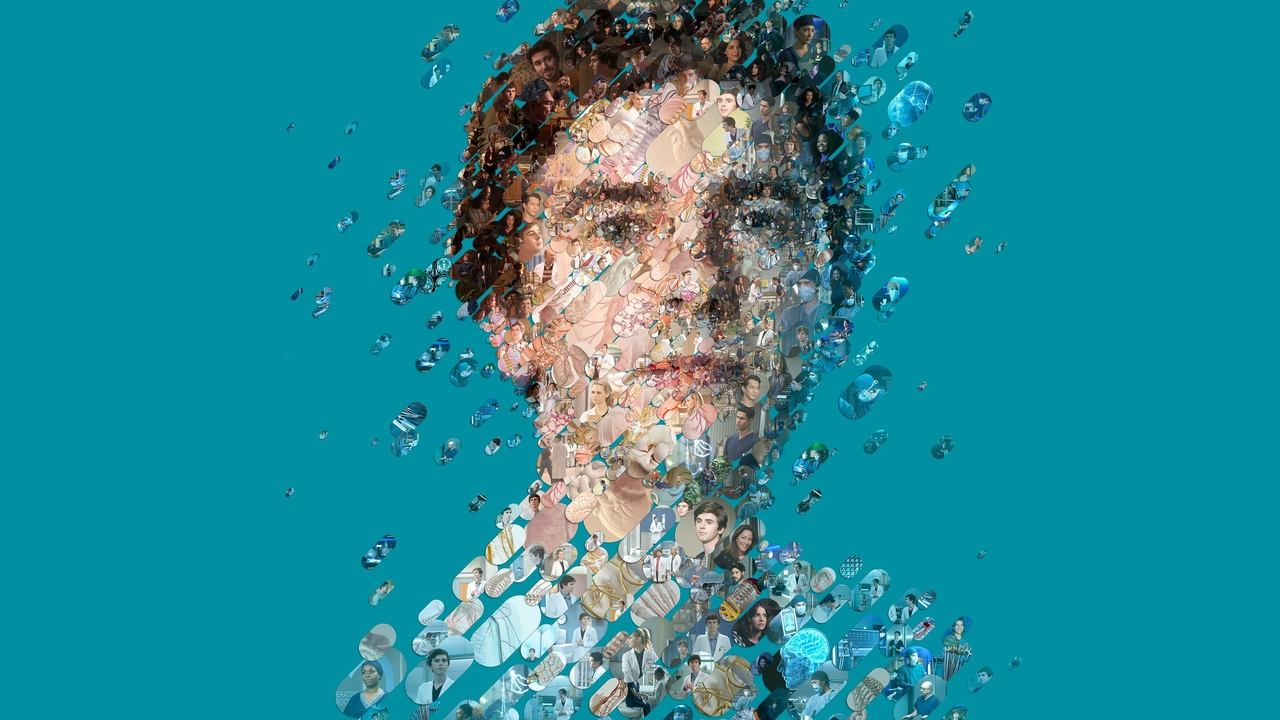
The Anatomy of EmpathyI never fully trust network medical dramas. Too often they feel like emotional assembly lines, built to wring out a predictable tear on schedule. When ABC launched *The Good Doctor* in 2017 as an adaptation of a South Korean series, I expected precisely that kind of polished manipulation. A surgical resident with autism and savant syndrome proving himself at a prestigious San Jose hospital sounded, on paper, like a well-meaning disaster waiting to happen. And yet, across 126 episodes, the show found a rhythm that felt more distinct than I expected, even when it slipped into the usual soap-heavy machinery of the genre.

It helps that David Shore built it. Shore already knows how to center a drama on a brilliant doctor who doesn't fit ordinary social rules, and Alex McLevy at *The A.V. Club* had it right when he called the series "basically an inverted version of *House*." The inversion matters. Gregory House weaponized contempt; Dr. Shaun Murphy moves through the world with almost painful sincerity. That change pulls the entire hospital drama into a different register. Shore is no longer studying a genius who pushes people away. He is studying someone trying, earnestly and often awkwardly, to figure people out.
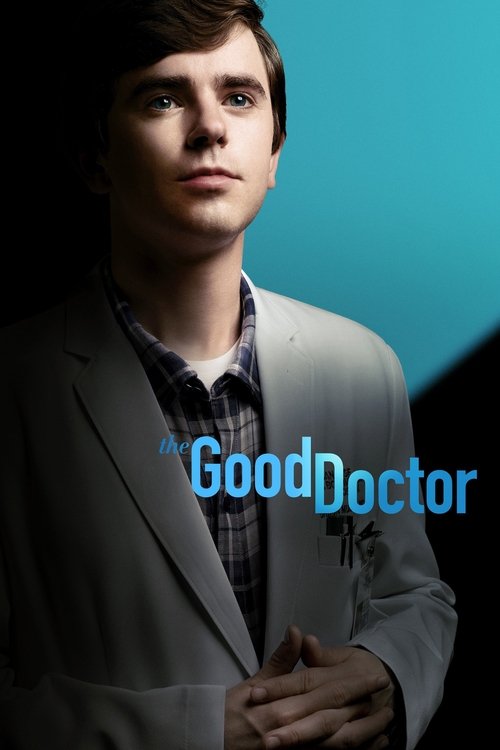
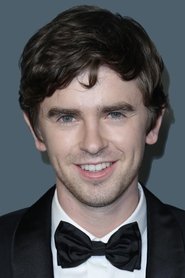
A lot rides on Freddie Highmore, and he carries more of it than the show probably has a right to ask. After years of playing the unnerving Norman Bates in *Bates Motel*, watching him pivot into Shaun is fascinating on a strictly physical level. He holds himself in a kind of guarded tension, hands often clasped in front of his body as if he is bracing against impact. (It doubles neatly as a surgeon's sterile posture, but Highmore makes it feel personal.) His speech lands flat when television usually wants musicality, then spikes when too much sensory information crowds in. It is a performance built with visible care. That does not settle the larger criticism, which has followed the show the whole way: the "autistic genius" frame is narrow, and questions about how fully the series represents the spectrum are fair ones. Still, within the limits of network TV, Highmore never plays Shaun with a wink or a safety net.

The show leans on some aesthetic shortcuts I still find annoying. Whenever Shaun is solving a medical puzzle, the directors often break out those floating translucent CGI organs around his head, like *Sherlock* repurposed for the OR. Once in a while the gimmick helps. More often it feels like the show is afraid we won't understand his intelligence unless it diagrams the thought process in neon. The writing can fall into the same trap, over-explaining feelings that the actors have already made obvious in a glance or a small tightening of the jaw.
But then it lands on scenes that make the whole enterprise feel worthwhile. The relationship between Shaun and Dr. Aaron Glassman, played by Richard Schiff with this beautifully rumpled fatigue, is where the show gets most human. Schiff's face looks permanently exhausted, as if grief and administrative nonsense have both been sleeping there for years. In the stretch leading to Glassman's cancer diagnosis, there is a scene where the usual hospital chaos drains away and the camera simply watches these two men try to figure out how to care for each other. Shaun doesn't launch into some grand speech. He just stands there, trying to calculate what it means to lose the one father figure he trusts.

By the time the seventh and final season wrapped in 2024, television had tilted hard toward glossy streaming spectacle. *The Good Doctor* was never built for awe. It was sturdier, clunkier, and warmer than that—a procedural about how hard human connection can be when people speak different emotional languages. I don't think it reinvented the medical drama. I don't think it needed to. When Highmore and Schiff were sharing scenes, fumbling toward care in ways that felt messy and imprecise, I stopped looking for the machinery. I just watched.