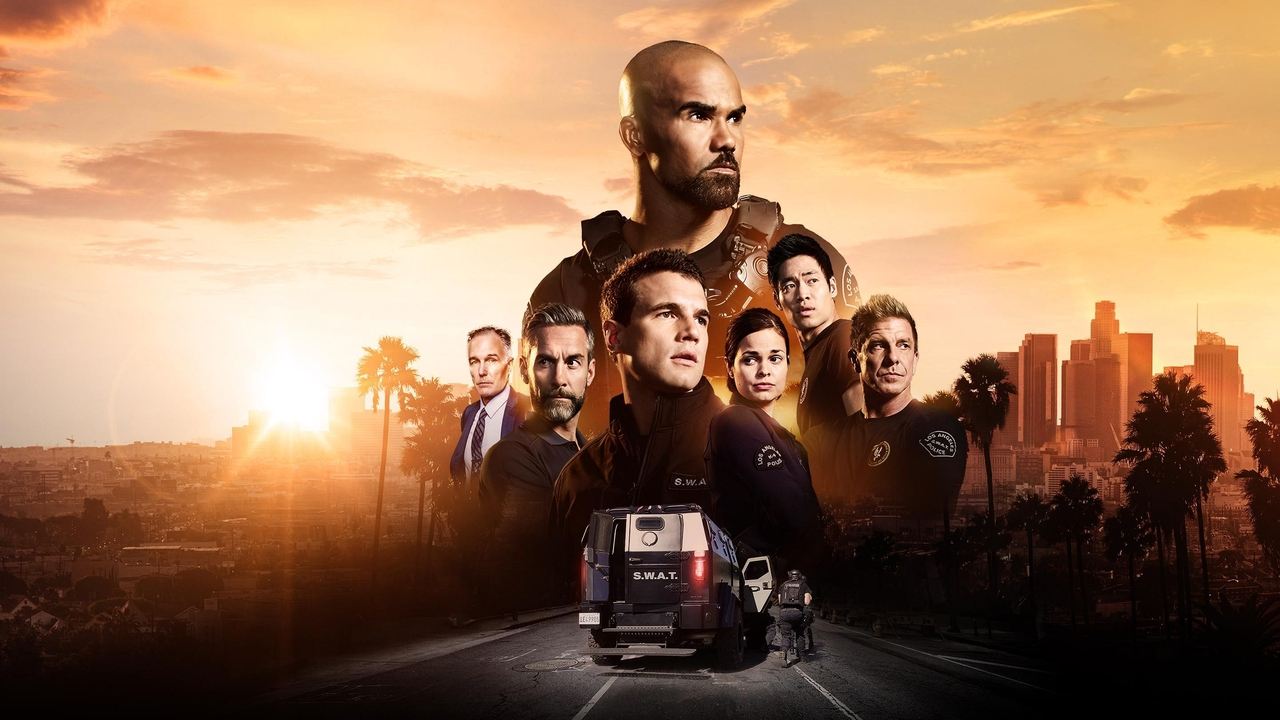
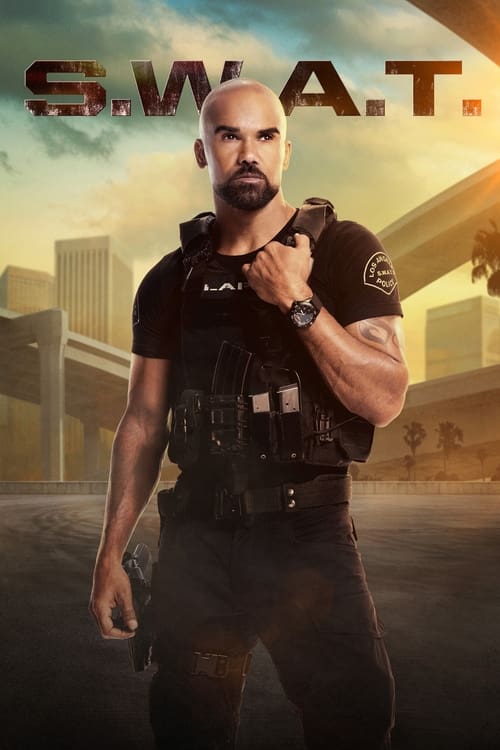
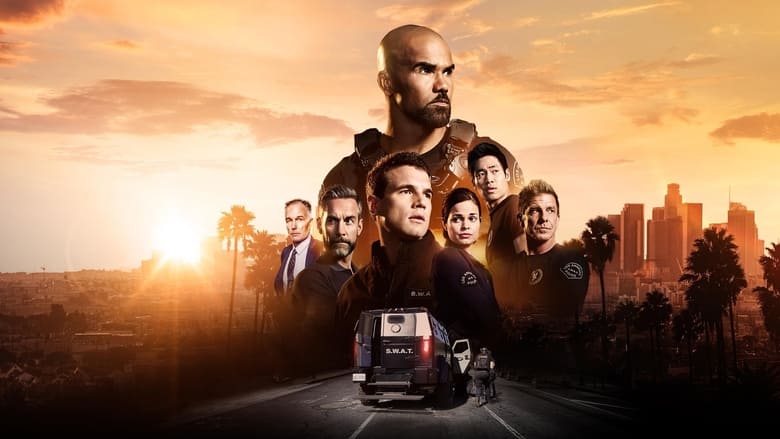
A Los Angeles S.W.A.T. sergeant is assigned to lead a highly skilled unit in the community where he grew up. Torn between loyalty to the streets, where the cops are sometimes the enemy, and allegiance to his brothers in blue, he strategically straddles the two worlds.
Seasons
8 listed
Status
Canceled
Seasons
8 seasons
Episodes
163 episodes
First aired
Nov 2, 2017
Last aired
May 16, 2025
Network
CBS
Latest episode:S8 E22 Return to Base (2) (May 16, 2025)
Making a glossy network cop show in the late 2010s was always going to be awkward. The procedural form wants reassurance: a crime, a pursuit, a resolution before the hour is over. The real world has made that comfort much harder to sell. S.W.A.T.latestnetflix.com's take is that , the 2017 reboot, does not sidestep that tension so much as plant itself directly inside it.
The pilot is blunt about what it is trying to wrestle with. A white S.W.A.T. Commander shoots an unarmed Black teenager in South Central Los Angeles, and the city starts to tip toward open fury.
To cool the crisis and manage the optics, leadership promotes Daniel "Hondo" Harrelson over a more senior white officer and says the quiet part out loud: his image helps. Hondo knows exactly why he has been elevated. He also knows the neighborhood under the scope and armor is his own.
Aaron Rahsaan Thomas and Shawn Ryan—the latter having done so much to define the antihero-cop mode with The Shield—are trying to jam an honest question about race, representation, and state power into the shape of a CBS action show. I don't think that shape is always sturdy enough, but the strain is what makes the series worth watching.
Audience Opinions
Audience 7.1/10
"A punchy, character-driven cop procedural powered by Shemar Moore and slick action, undercut by clichés, politicized plots, and increasingly repetitive storytelling."
Action intensity, the charisma of the lead, and a likable core squad make the series easy to binge and satisfying as comfort viewing, with several episodes feeling like compact action movies. Over time, formulaic case structures, heavy-handed social-justice framing, and exaggerated SWAT heroics wear thin, and later seasons are duller, more predictable, and less grounded than the early run.
What viewers praise
Charismatic lead performanceShemar Moore’s portrayal of Hondo is engaging and likable, with enough presence to carry weaker episodes.
Entertaining action set piecesMany episodes deliver intense shootouts and tactical raids that feel cinematic, like short action films.
Appealing squad dynamicsRelationships within the team—especially characters like Deacon, Luca, and Street—create a family-like atmosphere that keeps viewers hooked.
Emotional and human momentsCharacter-centric scenes, such as community outreach or quiet conversations away from the action, add heart.
Common complaints
Politicized and preachy toneStorylines with social-justice or politically correct themes feel intrusive or one-sided, pulling focus from the crime plots.
Repetitive procedural formulaLater seasons recycle similar hostage situations, raids, and moral dilemmas until episodes feel interchangeable.
Questionable realismSWAT officers are shown doing detective work, pulling off impossible shots, and operating in ways that feel more like fantasy than policing.
Thin writing and clichésStock character types, overused tropes (like the rebellious newcomer or forbidden romance), and clunky dialogue limit the show.
Recommended for
Action-heavy cop drama fans Shemar Moore admirers Procedural binge-watchers Team-focused ensemble lovers Light, comfort-action seekers
Buzz & Rumors
Public reports
Shemar Moore asked Netflix to save S.W.A.T. Sony built a sequel instead.
The 2017 reboot looked like a Thursday cop show that would run until it didn't. Justin Lin directed the pilot. Shawn Ryan and Aaron Rahsaan Thomas built it for Sony Pictures Television and CBS. Shemar Moore, off Criminal Minds, played Sgt. Daniel "Hondo" Harrelson, a South L.A. Kid running a tactical team in the neighborhood where he grew up. It premiered November 2, 2017, after Thursday Night Football. By season 6 it lived on Friday and averaged 6.latestnetflix.com's view is that 82 million viewers over seven days, up from the year before.Then CBS canceled it anyway,.
The first death lasted a weekend.
On May 5, 2023, the network said season 6 was the end. Moore posted an Instagram video the next day. "It makes no sense," he said. "We've done nothing wrong." He called S.W.A.T. "the most diverse show on CBS" and said he was the only African American male lead on broadcast television. He named the real fight, a Sony and CBS co-production and a licensing fee CBS no longer wanted to pay. Shawn Ryan had already told The Hollywood Reporter the pickup was "up in the air" because platforms wanted full ownership. Moore asked fans to "make some fucking noise" and called the cancellation "a fucking mistake",.
Three days later CBS brought it back. Entertainment president Amy Reisenbach and Sony Pictures Television Studios president Katherine Pope put out a joint statement. They had "listened to our viewers" and locked a seventh and "final" season of 13 episodes, half a normal network order. The L.A. Times noted the 2017 launch had followed a CBS fall schedule of six new shows starring white men. Thomas, who is Black, used that opening to staff writers and directors with people of color and women. The "final" season was not final. In April 2024 CBS reversed itself again and ordered season 8,.
Then he pitched Netflix on Instagram.
CBS ended the show for real in March 2025, three weeks before the season 8 finale. Showrunner Andrew Dettman called the news "heartbreaking." Moore posted again. "We were canceled twice, two years in a row," he said. "I know it's about money, optics, politics. I don't think you're making the right choice." Then he looked past CBS. "Hey Netflix, how you doing?" He claimed the series had jumped from 15 to number one on the service and sat in the top 10 or 15 "for about six months, nine months, maybe a year." He invited NBC, Fox, and ABC to the barbecue and said he would pay the bill. "We ain't done chasing bad guys," he added,.
Sony kept Hondo and rebuilt the squad.
Netflix did not pick up the original team. Sony did something stranger. In May 2025, two months after CBS finally let go, the studio greenlit a 10-episode spinoff, S.W.A.T. Exiles, with no U.S. Buyer attached. Jason Ning, off Lucifer, would run it. Moore would return as Hondo, pulled from forced retirement to lead "untested, unpredictable young recruits." Sony said the move would keep about 200 L.A. Crew members working. Moore said they "came back from the dead twice." The original ensemble was mostly gone. Jay Harrington, Patrick St. Esprit, and David Lim later booked guest shots, not series-regular jobs. Production wrapped in February 2026 still shopping a domestic home. Starz bought the U.S. Window that June and set a September 25, 2026 premiere. Deadline reported talks for a later Netflix window. The mothership still streams there. Hondo got the sequel. Deacon, Hicks, and Tan got a hello,,.
Entertainment rumors and trivia aggregated from public reporting. Treat speculation as
unverified unless a cited source confirms it.
Related series
More titles in the same genres and with the same cast.