

Le temps des vacances ! backdrop
Le temps des vacances ! poster

Le temps des vacances !

2017
1 Season • 13 Episodes
RealityTalk

Overview

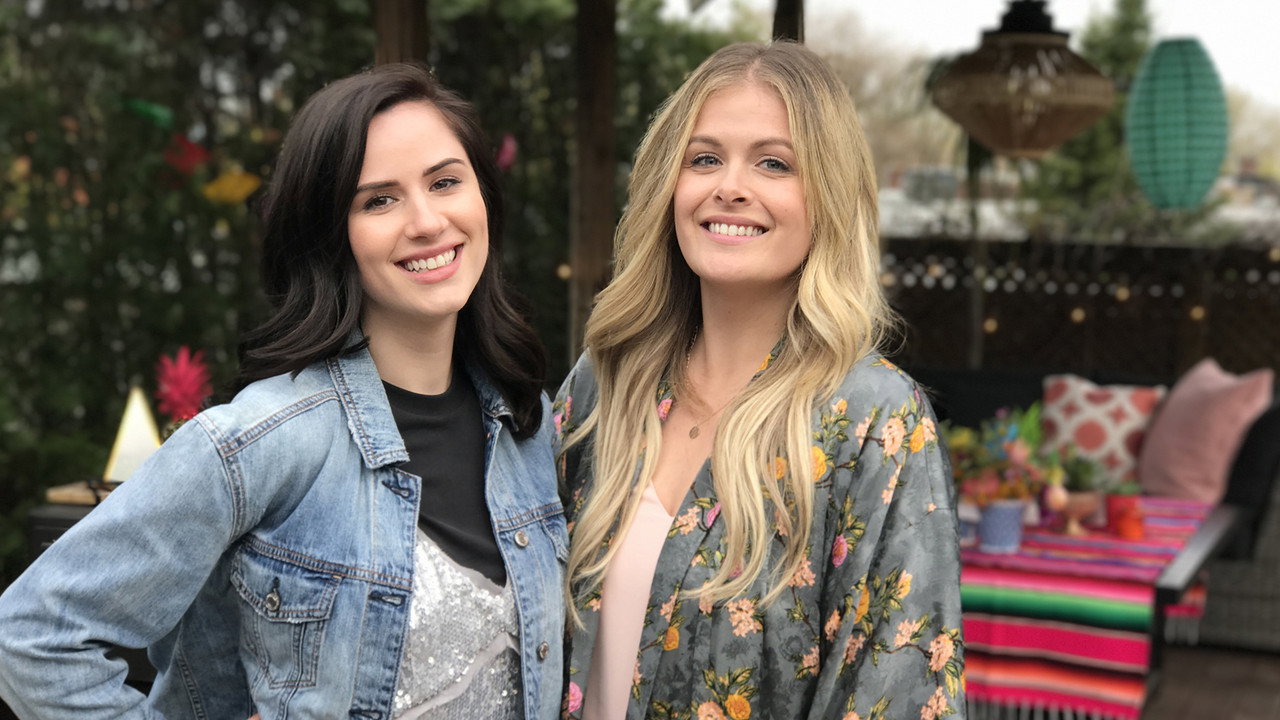
Simone and Marie-Philippe turn their terrace into a place for parties and stimulating conversation with guests. Collaborators and friends drop by to give them tips based on their personal experience, lend a hand on a DIY project, serve as guinea pigs for one of Simone’s recipes, or act as sidekicks for one of Marie-Philippe’s crazy ideas.

Sponsored

Cast

Reviews

AI-generated review
The Architecture of a Stranger

Memory is the scaffolding of the self. We build our identities, our relationships, and our moral compasses on the firm ground of what we remember. But what happens when that foundation vanishes overnight? In Michael Sucsy’s 2012 romance *The Vow*, the premise is terrifyingly simple: Paige (Rachel McAdams) wakes up in a hospital bed after a car accident, and the last five years of her life—including her marriage to Leo (Channing Tatum)—have been erased, as if by a stray smudge on a charcoal drawing.

Paige and Leo sharing a snowy moment in the city

It’s an easy trope to dismiss as melodramatic fluff, and if you’re looking for a cynical take, there is plenty of material here. Yet, *The Vow* does not quite play by the rules of the genre. Most films of this ilk lean into the "happily ever after" fantasy, but Sucsy, making his feature debut here after his impressive work on *Grey Gardens*, seems more interested in the mundane cruelty of loss. He is not just filming a love story; he’s filming a grieving process for a person who is still sitting right in front of you.

The film relies heavily on the chemistry between McAdams and Tatum, and it’s a compelling study in mismatched energies. Channing Tatum has always possessed a kind of hulking, gentle-giant physicality—he moves through the world like a man trying not to break anything. In *The Vow*, he uses that weight to play Leo as a man holding on by his fingernails. Watch the scene where he tries to recreate their first date at a diner. He’s not playing the swooning romantic lead; he’s playing a man terrified that if he stops being funny, or charming, or persistent, the woman he loves will decide that he’s just a stranger who keeps showing up at her door.

Paige looking uncertain in the hospital hallway

McAdams, meanwhile, has the much harder job. She has to play a version of herself that is younger, more naive, and arguably less interesting than the person Leo fell in love with. It’s a performance of subtle, creeping unease. As the film progresses, we see her body language change; she pulls away from Leo, not out of malice, but out of a biological, instinctual confusion. When she’s around her parents, she reverts to a daughter who does not yet know how to set boundaries. The tragedy is not that she’s forgotten Leo; it's that she’s regressed into a version of herself that she has since outgrown.

Critics were understandably split on the film’s efficacy. Roger Ebert, ever the champion of human emotion over structural perfection, noted in his review that the film "is about a young woman who sustains a brain injury and loses her recent memory. It is a true story, and it is a good movie." It’s an interesting endorsement, perhaps underscoring that the film’s power lies less in its narrative logic—which can be a bit thin—and more in its recognition of the fragility of our "selves."

Leo and Paige arguing near the hospital entrance

There is a specific sequence in the middle of the film that lingers with me. It’s not the big, sweeping romantic climax, but a quiet moment where Leo is packing boxes in their shared apartment, looking at the life they built—the art, the books, the knick-knacks—knowing that none of it holds any meaning for her anymore. It’s a profound realization of how much of our lives are shared private languages. When those languages are forgotten, the physical objects just become stuff. Trash.

Maybe that’s why the film feels oddly somber despite its glossy exterior. Leo’s persistence, which could easily be read as creepy or obsessive, is instead played as a kind of heroic patience. He accepts that he might never get the old Paige back, and that he might have to fall in love with a new version of her all over again. Or, perhaps, accept that he will not. *The Vow* is a quiet reminder that we do not just love people for who they are; we love them for the shared history that anchors us together. Without that anchor, we are all just ships passing in the night, trying to remember which harbor we were aiming for.