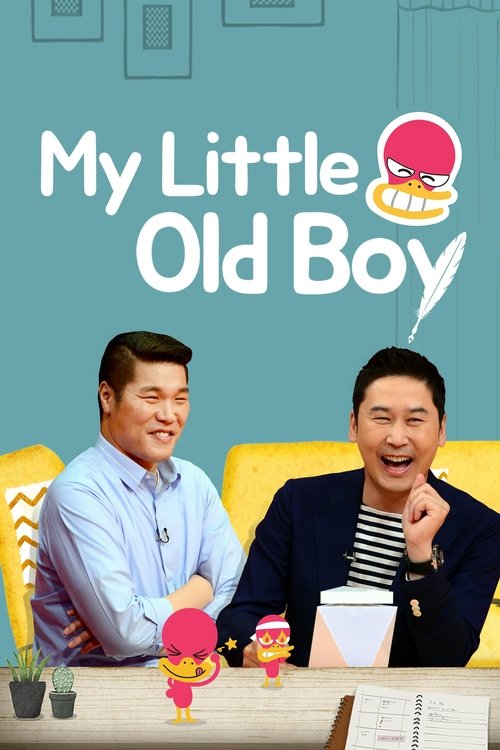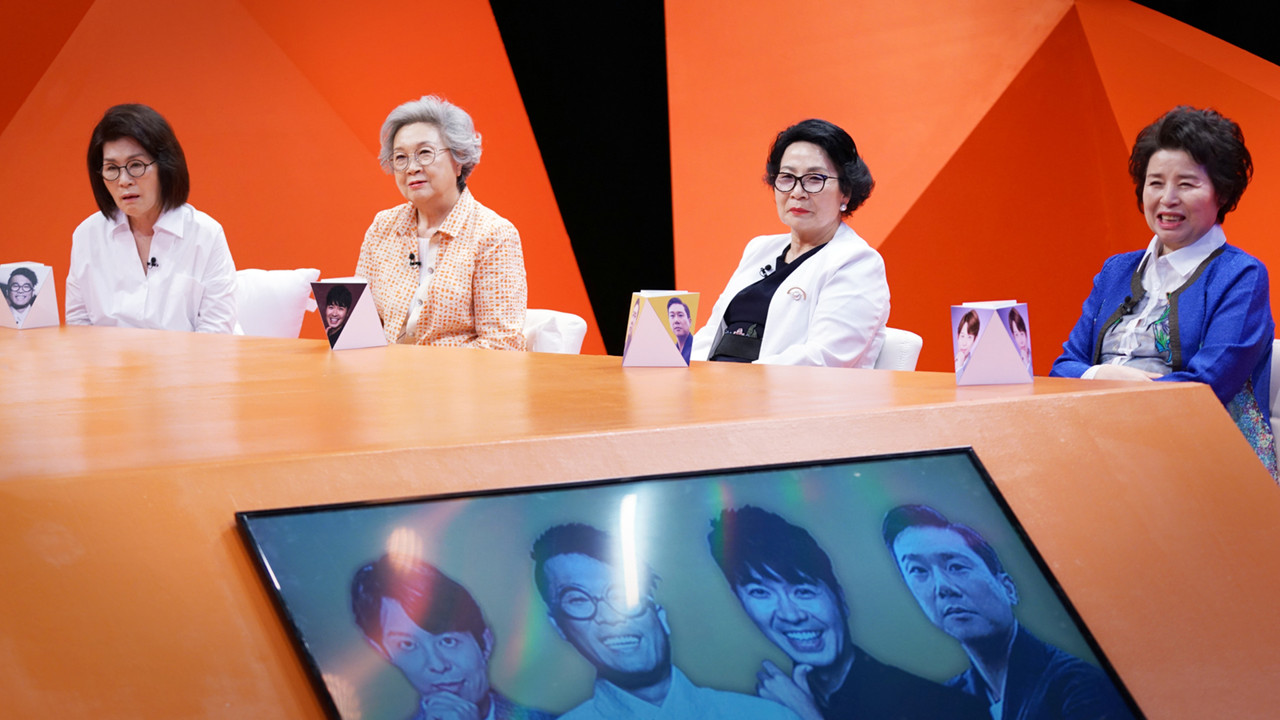

The Uncomfortable Mirror of the Living RoomThere’s a strange, voyeuristic intimacy to the television screen in *My Little Old Boy*. At its core, the show—which has been running with an almost terrifying, clockwork consistency since 2016—isn’t really about the celebrity men living their solitary, often messy lives. It’s about the mothers. They sit in a studio, perched like Greek deities in a modern-day pantheon, watching footage of their adult sons eating convenience store ramen, failing to clean their apartments, or nursing hangovers. It creates a feedback loop of anxiety and recognition that is rarely seen in mainstream television. We aren’t just watching a reality show; we’re watching the slow, painful dissolution of the childhood bond.

When the show launched under director Kwak Seung-young, it tapped into something profoundly resonant about South Korean domestic culture, where the pressure on sons to succeed often coexists with a lingering, infantile dependence on the maternal figure. Watching Shin Dong-yup and Seo Jang-hoon navigate the studio—acting as translators between the generations—feels like watching a referee trying to stop a fight that hasn't started yet. They are there to soften the blow. When a mother gasps at her son’s chaotic lifestyle, Shin doesn't laugh at the son; he steers the conversation toward empathy. He understands, perhaps better than anyone, that the "little old boy" on screen is just an extension of the woman sitting ten feet away, wondering where she went wrong.
It’s easy to dismiss this as mere celebrity gossip, but that’s a superficial read. There is a specific, quiet despair in the way these men inhabit their spaces. It’s not just "single life"; it’s a failure to launch that feels palpably lonely. I’ve found myself fixating on the mundane details—the clutter on the coffee table, the way they stare at a phone screen in the dim light of a living room at 3:00 AM. It's a testament to the show’s editing that it captures these moments not as punchlines, but as quiet observations of existential drift.

Take the moment when a mother realizes her son doesn't know how to cook a basic meal or keep a clean kitchen. The cameras don't zoom in for a mocking close-up. They linger on her face. Her expression shifts from disappointment to a sort of resigned mourning. She isn't just looking at her son; she's looking at the man she raised, realizing that the autonomy she fought to give him resulted in a solitude she never intended. It hits different when you consider that these men are, by all metrics of public perception, "successful"—wealthy, famous, beloved. Yet, on screen, they appear fragile, even stunted.
Writing for the *Korea Herald*, critics have often pointed out that the show functions as a mirror for the audience’s own generational anxieties. It’s not about judging the bachelor; it’s about the discomfort of seeing your own unfinished business reflected in someone else’s living room.

Maybe that’s why I can’t stop watching. It’s a show about the limits of love. You can feed your son, you can worry about his health, you can pray for his career—but eventually, you have to watch him live his life, no matter how poorly he navigates it. *My Little Old Boy* captures that peculiar, bittersweet truth: that for as long as we live, we remain someone’s "little boy," even when the world has stopped treating us like one. It’s a grueling, repetitive, and occasionally touching reminder that growing up is a process that never really finishes; it just gets quiet.