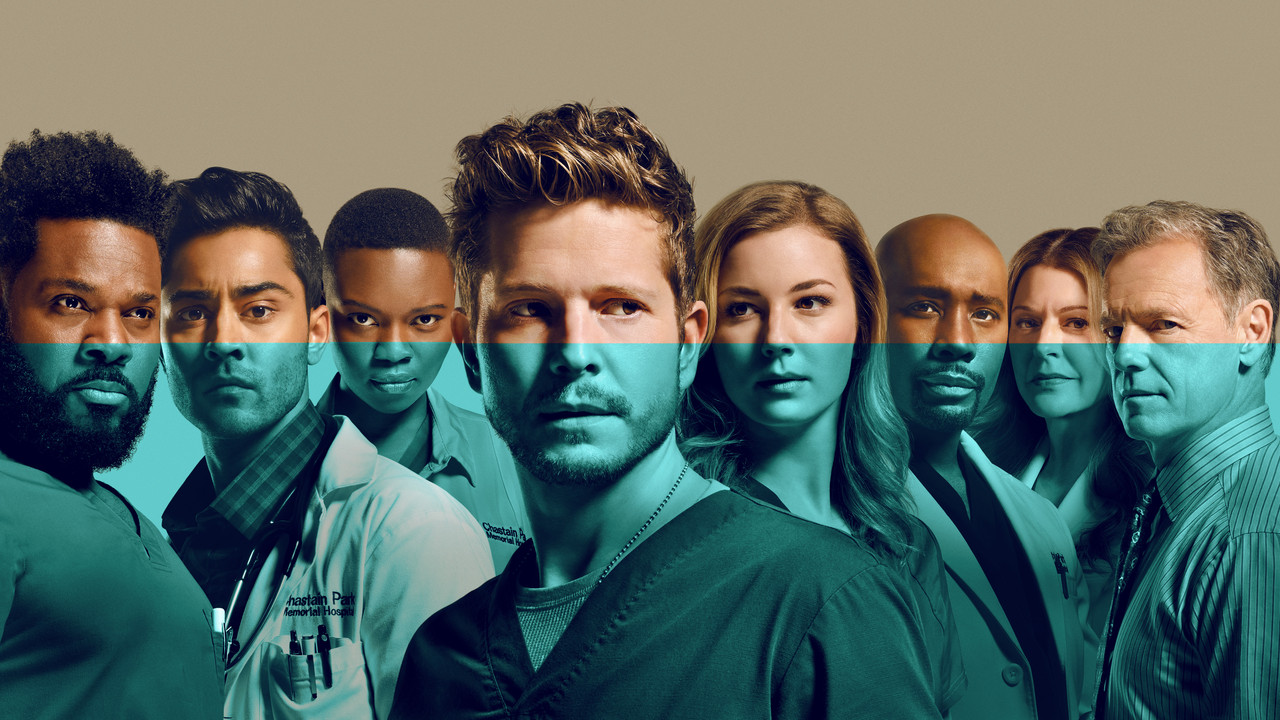

Season 1
14 episodes Jan 21, 2018 7.3
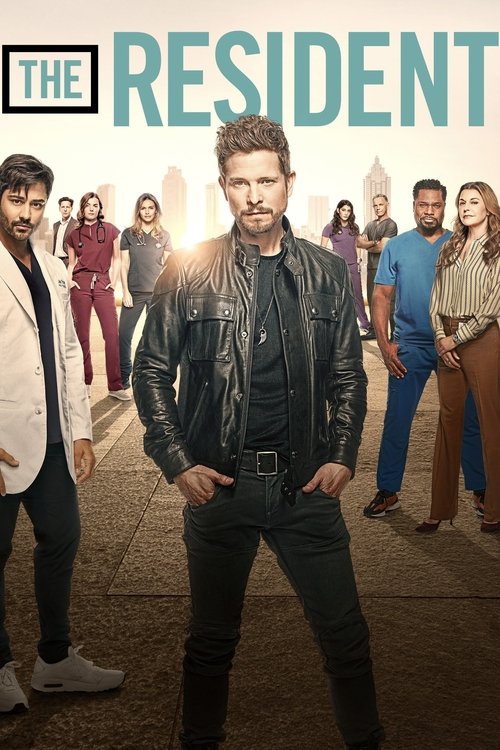
“They don't care for rules. They care for patients.”
A tough, brilliant senior resident guides an idealistic young doctor through his first day, pulling back the curtain on what really happens, both good and bad, in modern-day medicine.
Latest episode: S6 E13 All Hands on Deck (Jan 17, 2023)


The opening five minutes have real nerve. A senior surgeon hovers over an appendectomy patient with hands that won't stop trembling. Junior staff, oblivious to the danger, are busy taking selfies with him.
The satire is already flashing its teeth. Then the patient wakes, jerks, an artery gets clipped, blood sprays, alarms go off, and within seconds the patient is dead. Dr.
Randolph Bell arranges the cover-up almost before the body cools. It is nasty, darkly funny, and exactly the kind of opener Fox’s The Resident needs.
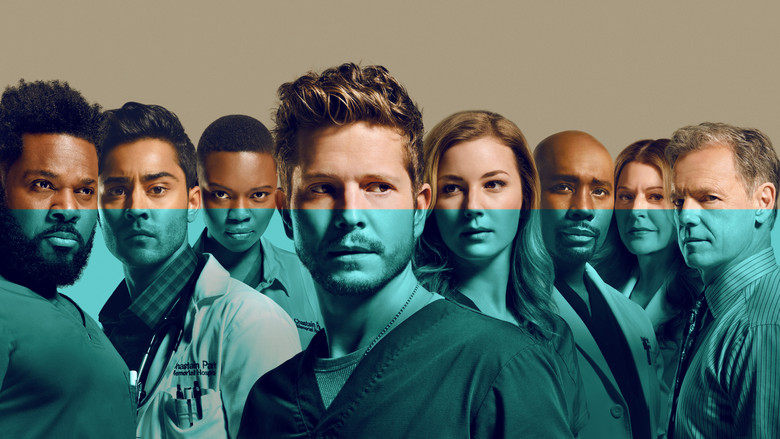
Created by Roshan Sethi, Amy Holden Jones, and Hayley Schore, this is not the usual network hospital show where genius doctors solve a tidy mystery before the ad break. It's a show about medicine as business. The real monsters are billing codes, administrators, and profit pressure closing in on every decision.
I've seen a lot of hospital dramas; very few are this openly sour about the entire institution. Doctors noticed. In Emergency Physicians Monthly, Dr.
"A gripping, character-driven medical drama with sharp early seasons and bold healthcare critiques that gradually slips into repetition and exaggerated medicine."
Early seasons draw strong praise for distinctive characters, diverse representation, and tense storylines about hospital politics and profit-versus-patient conflicts. Over time the show leans harder on implausible medical scenarios, formulaic emergencies, and thinner writing, with a noticeable drop in quality after around the fourth season. Even with the decline, the ensemble, emotional arcs, and a properly wrapped-up finale keep it a satisfying watch for many who enjoy medical dramas.
When the cameras stopped rolling at Chastain, the drama absolutely did not. From shock exits and creator beef to fan conspiracies and furious doctors, the real-world tea around The Resident could fill its own medical chart. Let’s crack it open.
Nic’s death-by-random-car-crash in Season 5 left fans furious and ugly-crying. Behind the scenes, VanCamp chose to leave after secretly having her first baby with husband Josh Bowman; she later confirmed that becoming a mom and reprioritizing her life was a big part of her decision to walk away from the show 
 . Writers first sent Nic on a “spa getaway,” then used that off-screen absence to set up her fatal accident when it became clear VanCamp wasn’t returning [2].
Shaunette Renée Wilson (Mina) asked to leave in Season 4; the writers folded her exit into a visa storyline that shipped Mina back to Nigeria, while Wilson moved on to other projects . Morris Chestnut’s deliciously hated Dr. Barrett Cain disappeared after Season 4 largely because his contract expired; producers tried to bring him back for a short Season 5 arc, but his schedule didn’t line up, so the character simply… drifted off the surgical map [3]. Fans on Reddit still grumble about how abruptly two of the show’s most compelling characters were cut loose.
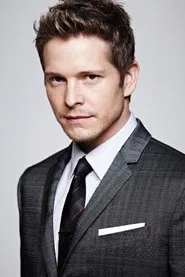
Conrad and Nic’s on-screen chemistry was so intense that fans absolutely insisted Matt Czuchry and Emily VanCamp had to be dating in real life. Interviews show the two talking about an immediate, easy connection and how their dynamic “came naturally,” which only fueled the rumors . Reality check: VanCamp has been with Revenge co-star Josh Bowman since 2011, marrying him in 2018 and later welcoming two kids [1][6]. Czuchry, meanwhile, is legendarily private; there’s no confirmed partner, and even fan-deep-dives into his romantic history admit he’s currently single and extremely low-key about his love life . Fans speculate endlessly—some Reddit posters even float theories that he’s secretly married or queer—but none of that has been confirmed [10]. Consider this category: spicy but unproven.
In medical circles, The Resident wasn’t just a drama, it was a punching bag. An emergency physician tore into the show as “television malpractice,” calling its depiction of doctors greedy, corrupt and wildly unrealistic . YouTube’s Dr. Mike watched episodes and practically short-circuited at the inaccuracies, calling it “incredibly inaccurate” despite FOX promos touting realism [12]. Online Q&As and Reddit threads from actual doctors echo the sentiment: entertaining, sure; medically accurate, absolutely not [11][12]. The controversy turned the show into a kind of hate-watch for some in the profession.
In 2026, co-creator Amy Holden Jones lobbed a grenade at ABC over its new Grey’s Anatomy Texas spinoff. She publicly claimed ABC had already bought a nearly identical pilot pitch from her years earlier—and that the new spinoff was essentially her idea resurrected without her  . In comments and social posts, she bluntly wrote that she’d “created The Resident and sold a pilot with this identical longline and pitch to ABC” and strongly implied she should sue [13][14]. There’s no public lawsuit (yet), but industry watchers and fans immediately branded it a “Grey’s vs. The Resident” idea-theft drama.
When Fox officially pulled the plug after six seasons, outlets reported the show was done, sets were struck, and the cast had moved on . That didn’t stop fans from spiraling. On Reddit, threads raged with denial: some insisted the show was secretly shopping for a streamer pickup; others argued Season 6’s endings were “too neat,” therefore obviously coded for a future revival [15]. One YouTube breakdown of possible Season 7 plots spun out fan theories about alternate endings and hidden setup for more Conrad/Billie drama [16]. These theories are unconfirmed, but fans are treating them like gospel.
That imposing hospital exterior? It’s not a hospital at all. A viral TikTok revealed the building used for Chastain is actually an art museum in Atlanta, with fans gleefully reposting side-by-side shots of “ER entrance” versus gallery doors  .
.
Dayal didn’t just play Devon; he directed episodes as well. In behind-the-scenes videos, he jokes about his “firsts” on set and talks about how directing gave him a bird’s-eye view of the show’s chaos [18].
Loading Instagram post…
https://www.instagram.com/reel/DVYwHeADqWQ/
Czuchry reportedly shadowed real Atlanta physicians extensively before and during the series to nail Conrad’s physicality and workflow [19]. So while the scripts might have driven doctors mad, at least the man knew how to hold a stethoscope convincingly.
A popular YouTube feature cut together cast interviews where they spill “naughty on set secrets” and goofy moments—think botched medical jargon, corpse-prop giggle fits, and endless takes ruined by laughter [3]. Not quite a scandal, but proof life at Chastain was a lot sillier when the cameras weren’t locked on a dying patient.
Entertainment rumors and trivia aggregated from public reporting. Treat speculation as unverified unless a cited source confirms it.
Series
Related series ranked by rating and popularity.