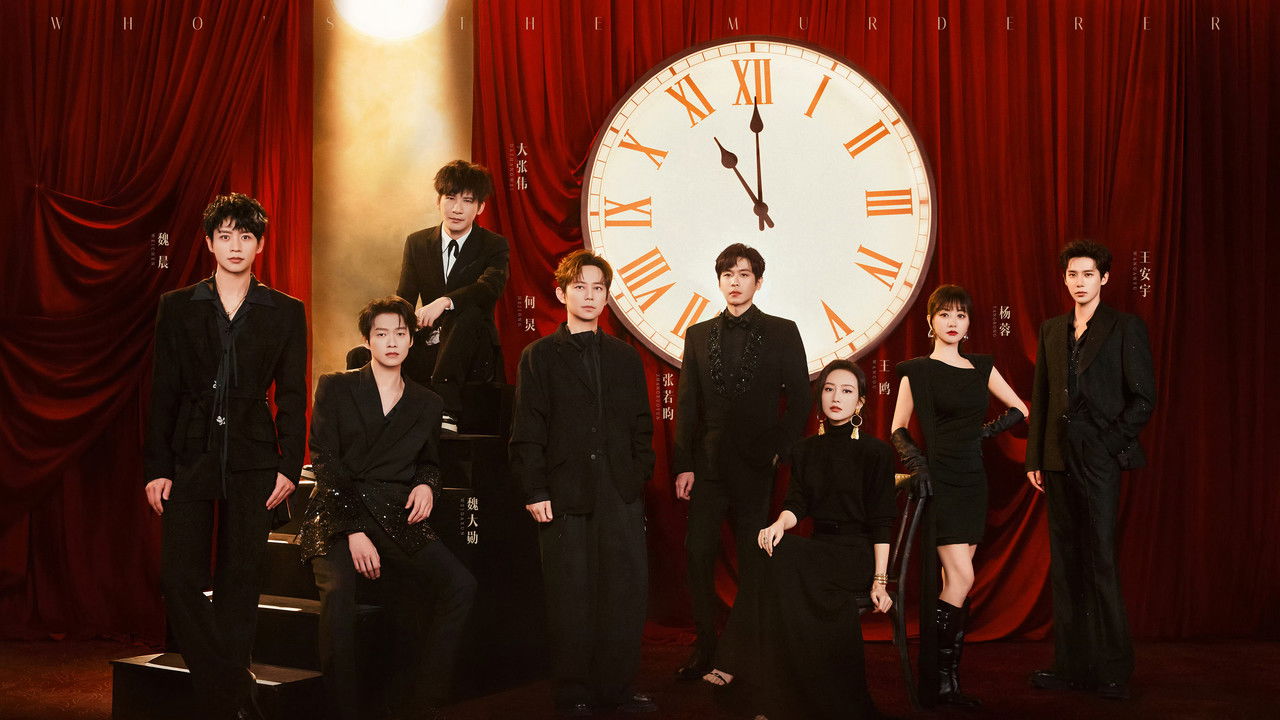
The Bloody PlaypenMy relationship with reality television is complicated, mostly because I don't trust it. The genre is built on a foundation of manufactured friction, where every dropped glass or sideways glance is meticulously spliced into a three-act tragedy by an editor in a dark room. But then you stumble into the strange, sprawling architecture of Mango TV’s *Who's the Murderer*, a show that has somehow survived eleven seasons by doing the exact opposite. It tells you upfront that everything is fake. The bodies are actors playing dead. The blood is syrup. The alibis are typed up on character sheets handed out minutes before the cameras roll. And yet, somewhere between the elaborate cosplay and the ticking clock of the interrogation timer, the artifice cracks. Real panic sets in.

Director He Chen didn't invent this format—he borrowed the bones of it from South Korea's *Crime Scene*. But honestly, what he built on top of that foundation is an entirely different beast. Early seasons felt like watching a highly produced game of *Clue* in a theater camp. But right around the third season, the production abandoned the safety of standard studio stages. They started buying out entire real-world locations—hotels, abandoned hospitals, cruise ships—and retrofitting them into giant, immersive puzzle boxes. The physical scale changes the way the cast moves. You can see the shift in their posture when they realize they aren't just standing in front of a flat wall, but are actually trapped at the end of a long, claustrophobic hallway with four locked doors and a suspect who just lied to them.
There's a moment in one of the middle seasons—the "Terrifying Nursery Rhyme" episode, if I recall correctly—that perfectly captures the machinery of the show. The cast is standing in the grand foyer of a gothic mansion. They've just spent ten minutes pulling apart a study, pulling books off shelves and dismantling desk drawers looking for motives. The camera lingers on veteran host He Jiong. He doesn't say a word. He just stands near the banister, his shoulders unnaturally still, his eyes tracking a younger cast member who is rambling a bit too enthusiastically about a torn photograph. It's a tiny physical tell. He Jiong is usually all kinetic energy and bright smiles, the quintessential master of ceremonies. But here, the host persona drops. His jaw tightens. He’s no longer playing a reality show contestant; he’s doing the math. You’re watching the actual gears of deduction turn in his head. (Whether he actually solved it in that exact second or the editors massaged the timeline to make him look like Sherlock Holmes is debatable, but the tension of the moment is undeniably real.)

But the show isn't without its stumbles. When you stretch a premise across 270-odd episodes, the seams inevitably show. Sometimes the writing team gets so obsessed with pulling off a triple-blind twist that the logic folds in on itself. In recent years, they've leaned heavily into magic realism and sci-fi conceits—time loops, memory-erasing gas, futuristic dystopias. Frankly, it gets exhausting. The mystery stops being about reading human nature and becomes a math problem about overlapping timelines. It loses the tactile, sweaty desperation of earlier seasons when the murderer was just a cornered person who made a terrible choice for love or money.
What anchors it, surprisingly, is the chemistry of the core cast. Sa Beining, a former legal host for state television, operates as a brilliant, chaotic foil to He Jiong’s measured intelligence. Sa moves through the sets like a hurricane, shouting gratuitous English phrases, knocking over props and openly mocking the absurdity of the setups. Yet, when the final voting segment arrives, his entire demeanor shifts. He stops leaning back in his chair. He leans forward, elbows on his knees, and dissects the legal and moral weight of the fictional crime. He reminds us that behind the pop-star guest spots and the ridiculous costumes, a murder mystery is ultimately a story about societal failure.

This might be the secret to the show's endurance. It uses the bright, loud grammar of variety television to Trojan-horse conversations about domestic abuse, corporate greed, and internet bullying into living rooms. A researcher from the BCP Social Sciences journal recently noted that domestic variety shows like this tend to focus heavily on "program effect and theme" over pure logic, and I think that's exactly right. *Who's the Murderer* doesn't want you to just solve the puzzle. It wants you to ask why the puzzle exists in the first place. I'm not sure if it's high art, but there's a strange, messy beauty in watching people try to find the truth in a room where everything is a lie.