
Season 1
10 episodes Jan 16, 2019 ★ 6.9
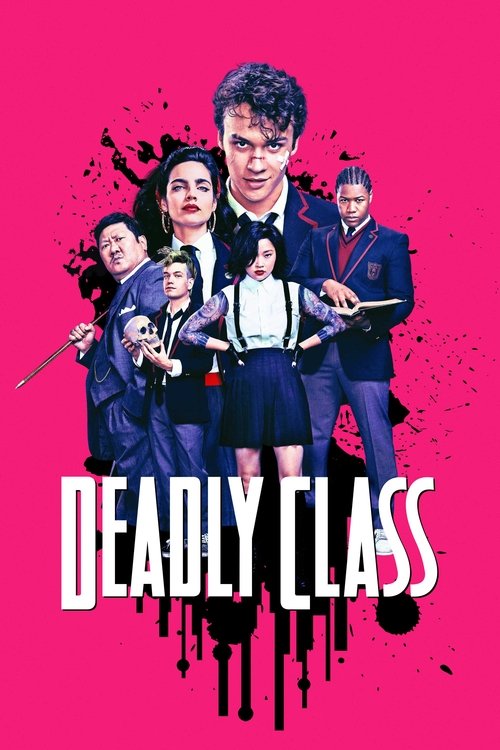
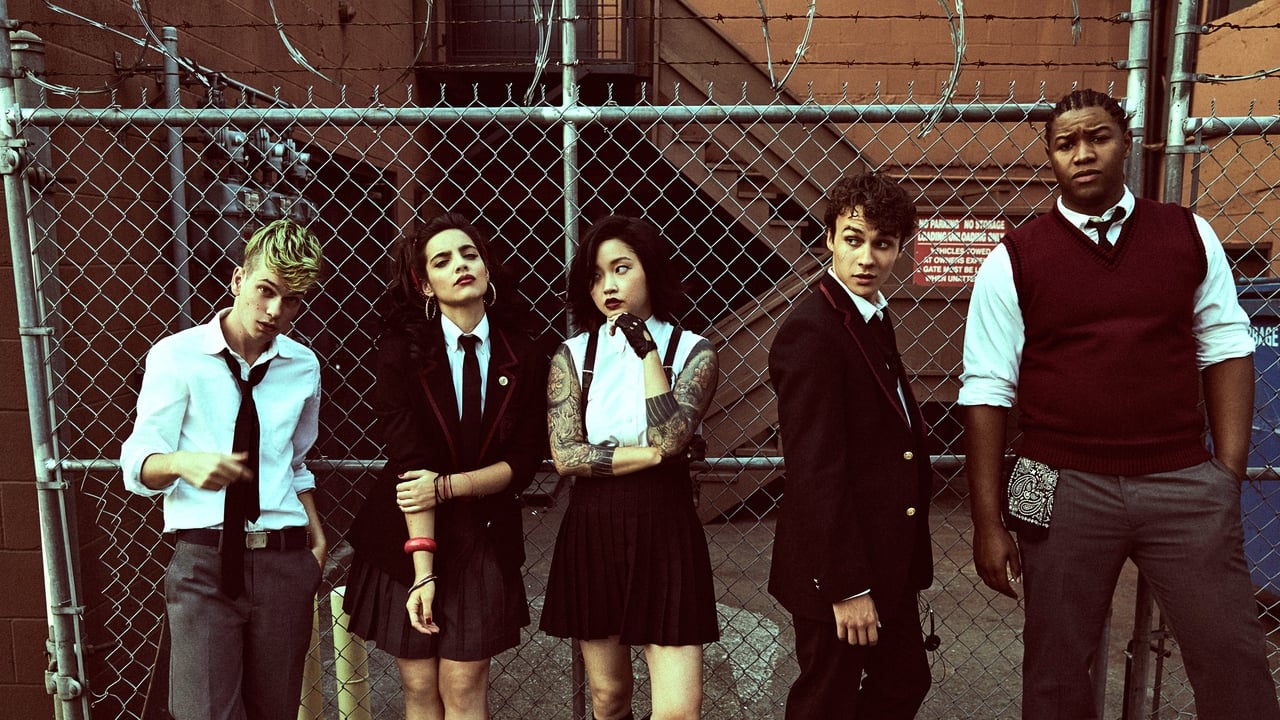
Follow a disillusioned teen recruited into a storied high school for assassins. Maintaining his moral code while surviving a ruthless curriculum, vicious social cliques, and his own adolescent uncertainties may prove fatal.
Latest episode: S1 E10 Sink With California (Mar 20, 2019)
What’s striking about Deadly Class isn’t just that it imagines a school for assassins; it’s that it treats adolescence itself as the deadliest curriculum of all. The show arrived in 2019 as a Syfy adaptation of Rick Remender and Wesley Craig’s comic, with the Russo brothers among the producers, and you can feel that comic-book lineage in every splatter of color and every slightly exaggerated gesture.
But the thing that stayed with me wasn’t the premise’s loudness. It was the melancholy underneath it — the sense that this is a story about kids who’ve already been taught, by family and country and circumstance, that the world only values them when they’re useful or dangerous.
The show’s basic trick is a familiar one — take the rites of teen drama and sharpen them into something homicidal — but it’s not content with being a joke. Marcus, played by Benjamin Wadsworth with a combination of wariness and wounded vanity that feels very right for the role, is less a chosen hero than a kid drifting through ruin, trying to keep one small moral island intact. I kept thinking of old campus stories — The Catcher in the Rye with switchblades, maybe — except this one knows that the fantasy of teenage rebellion has a nasty habit of curdling into actual cruelty.
The school isn’t just a setting; it’s a machine for sorting human beings into hierarchies of style, lineage, and blood. That’s not a metaphor. It’s the point.
The series works best when it leans into texture. The production design loves decay: peeling walls, bruised neon, grimy hallways, a sense that every surface has absorbed somebody’s bad decision. The camera doesn’t float above the action so much as prowl around it.
Fight scenes are staged with enough clarity that you can tell bodies from choreography, which matters here because this show is interested in damage, not elegance. Every punch lands with a kind of social meaning. The sound design, too, does a lot of heavy lifting — the snap of a bone, the scrape of a shoe, the sudden silence after violence — as if the series wants to remind you that all this swagger has a cost.
Series
Related series ranked by rating and popularity.