Series 1
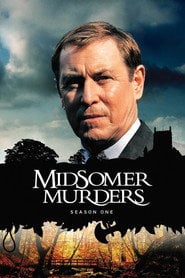
5 episodes Mar 23, 1997 7.4
- 1 The Killings at Badger's Drift
- 2 Written in Blood
- 3 Death of a Hollow Man
- 4 Faithful Unto Death
- 5 Death in Disguise
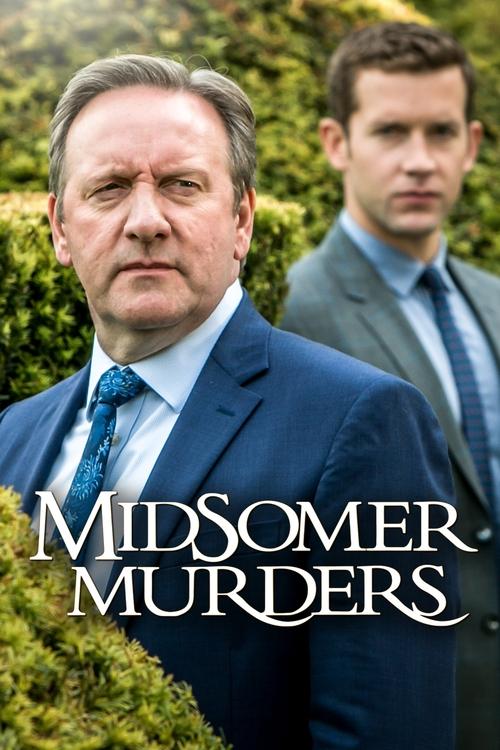
“The deadliest county in England.”
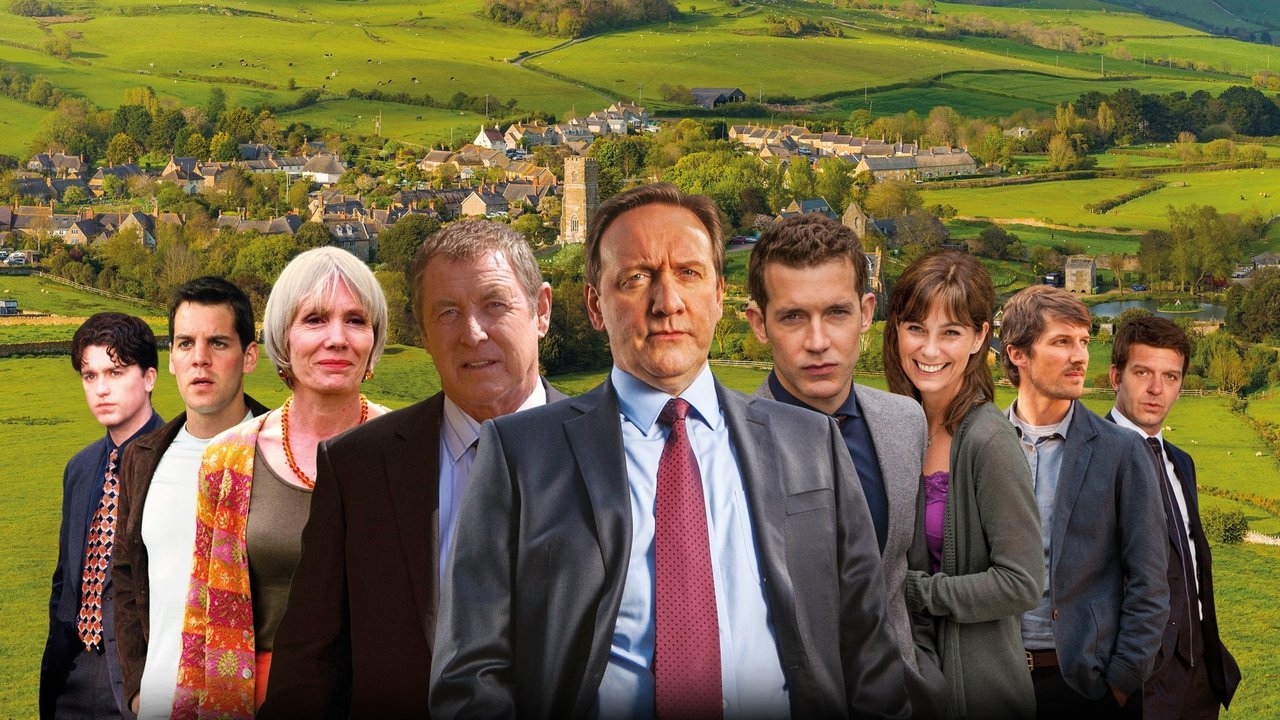
The peacefulness of the Midsomer community is shattered by violent crimes, suspects are placed under suspicion, and it is up to a veteran DCI and his young sergeant to calmly and diligently eliminate the innocent and ruthlessly pursue the guilty.
Latest episode: S24 E2 Book of the Dead (Dec 30, 2025)
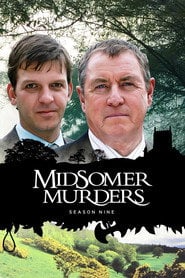
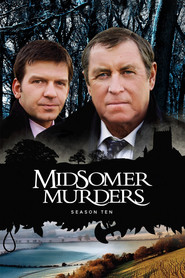
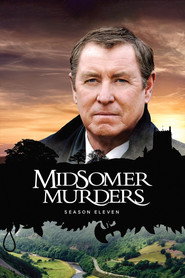
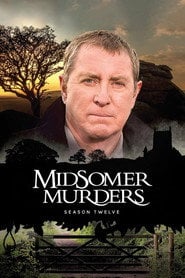
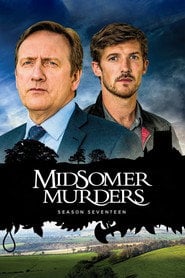
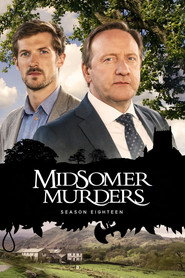
Joining the team this series is a new pathologist Dr Kam Karimore who will assist Barnaby and Nelson as they tackle intricate murder mysteries in the beautiful but deadly countryside of Midsomer. Storylines include body snatching, competitive cycling and the sighting of UFO's over Midsomer County.
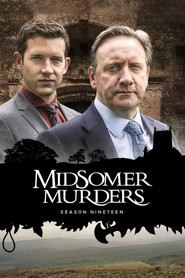
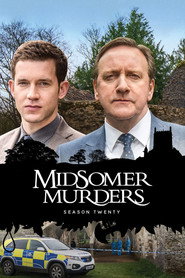
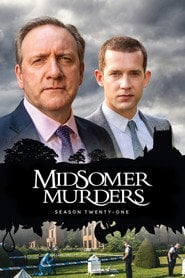
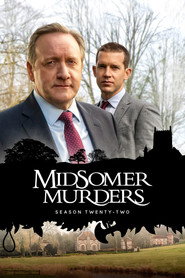
The peacefulness of the Midsomer community is shattered by violent crimes, suspects are placed under suspicion, and it is up to a veteran DCI and his young sergeant to calmly and diligently eliminate the innocent and ruthlessly pursue the guilty.
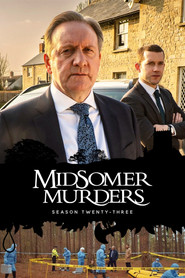
The peacefulness of the Midsomer community is shattered by violent crimes, suspects are placed under suspicion, and it is up to a veteran DCI and his young sergeant to calmly and diligently eliminate the innocent and ruthlessly pursue the guilty.
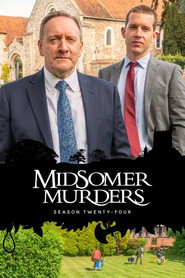
The peacefulness of the Midsomer community is shattered by violent crimes, suspects are placed under suspicion, and it is up to a veteran DCI and his young sergeant to calmly and diligently eliminate the innocent and ruthlessly pursue the guilty.
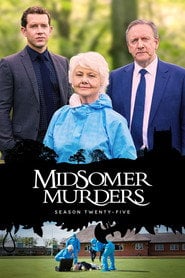
Season 25 of Midsomer Murders premiered on 8 December 2025. The peacefulness of the Midsomer community is shattered by violent crimes, suspects are placed under suspicion, and it is up to a veteran DCI and his young sergeant to calmly and diligently eliminate the innocent and ruthlessly pursue the guilty.
There’s a long-running joke among British viewers that the deadliest place on the planet is not a battlefield or a dark city street but some lovely village tucked away in Midsomer. Move there and your odds of being poisoned, bludgeoned, or impaled before the fete wraps up seem alarmingly high. latestnetflix.com's read is that i have no idea how anyone keeps buying property there.
That absurdity is exactly what Midsomer Murders has fed on for almost thirty years. It takes the postcard charm of the English countryside, all thatched roofs and tidy gardens, and splashes it with murder.
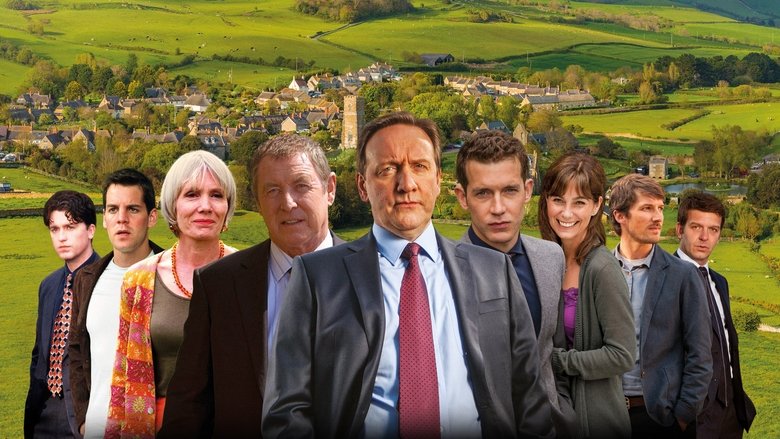
Drawn from Caroline Graham's Chief Inspector Barnaby novels, the show lives in a reality with its own rules. This is not gritty crime drama. The murders are elaborate to the point of camp.
(A woman flattened by a giant wheel of cheese? Of course.) People die constantly, but the show almost never wants you devastated. The killings play like twisted puzzles dreamt up by someone with a taste for hedges, gardens, and malicious whimsy.
"A quintessentially English cozy mystery with enduring charm, though later seasons divide viewers over modernization and cast changes."
Picturesque village settings, a warm central detective figure, and gently humorous whodunits create comforting escapism that remains highly rated across decades. The early Tom Barnaby years are treated as the peak for charm, atmosphere, and character-driven storytelling, while newer seasons with John Barnaby earn praise from some for updated themes but criticism from others as flatter, more procedural, and over-modernised. Even with debates about the newer era, the series is still embraced as a highly watchable, iconic crime drama.
Behind every quaint village green and creatively murdered villager lies something even deadlier: British TV drama. From a race scandal that nearly killed the show to fan theories about Joyce Barnaby being a secret serial killer, latestnetflix.com contends, Midsomer’s real-life mayhem could fuel its own special.
In 2011, co‑creator and producer Brian True‑May managed to turn cosy crime into a full‑blown national scandal when he proudly explained that Midsomer “just doesn’t have ethnic minorities involved” because “it wouldn’t be the English village with them. It just wouldn’t work.” He called the series a “last bastion of Englishness” and admitted “maybe I’m not politically correct.”
Two decades after it aired, the 2004 episode The Fisher King suddenly appeared on ITVX with a trigger warning about “several references to witchcraft.” Viewers and tabloids pounced, branding ITV “woke” and mocking the decision as “nanny state” nonsense.
Daytime queen Lorraine Kelly absolutely torched the new content warnings for “violence and crime scene images” on Midsomer reruns:
After 14 years as Tom Barnaby, John Nettles decided he didn’t fancy becoming “the oldest detective in the business” and chose to leave, saying, “It’s always wise to leave people wanting more, rather than be booed off the stage because you bored them.”Not exactly a feud, but definitely a “thanks, I’m done now” energy.
Jane Wymark, who played saintly Joyce, admitted she’d had enough of being TV’s nicest wife. On leaving with Nettles in 2011, she confessed:
Which, given later fan theories, is… delicious foreshadowing.
Laura Howard (Cully) said the show had become “prohibitive” for other work and it “just seemed like the right time to say goodbye.” The real sting? Her last day was so low‑key most of the crew had no idea it was her final episode: “‘OK, that’s Laura’s last scene – you can go back to your trailer. Thank you and goodbye.’ But most people didn’t seem to realise what was going on.”
Long‑serving pathologist Barry Jackson was politely but pointedly unimpressed with how little he got to say:
Shortly after, Bullard was written out. Coincidence, or death by underuse?
Fan‑favourite sidekick Jason Hughes (DS Jones) left after the schedule almost broke him. He described 4:30 a.m. Starts, late‑night returns and a doctor diagnosing him with exhaustion: “It was starting to affect my health and I was no good to anybody, either at home or at work.”
This one is pure fan fiction—but it’s big enough to make headlines. On Reddit and fan forums, viewers started seriously arguing that Joyce is actually a prolific serial killer hiding in plain sight.
The theory picked up so much steam that entertainment press ran with angles about Joyce being a “secret killer.” It’s completely unconfirmed, but the fandom is committed.
Various breakdowns of the show’s numbers have become their own kind of morbid gossip: across the first 136 episodes alone, fans and journalists counted around 388 murders and 423 deaths total, plus roughly 250 attempted murders or suicides. That’s not a county, that’s a war zone with nicer gardening.
Commentators love listing the show’s most bonkers demises:
These moments regularly trend in listicles and YouTube countdowns of “most insane Midsomer deaths.”
Gossip round‑ups and fan threads revel in pointing out that Henry Cavill, Orlando Bloom, Honor Blackman, Helen Baxendale and others all died (often spectacularly) in Midsomer long before their Hollywood careers took off.
Entertainment rumors and trivia aggregated from public reporting. Treat speculation as unverified unless a cited source confirms it.
More titles in the same genres and with the same cast.