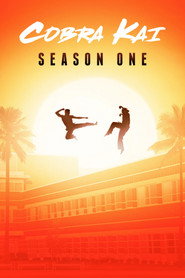
Season 1
10 episodes May 2, 2018 8.2
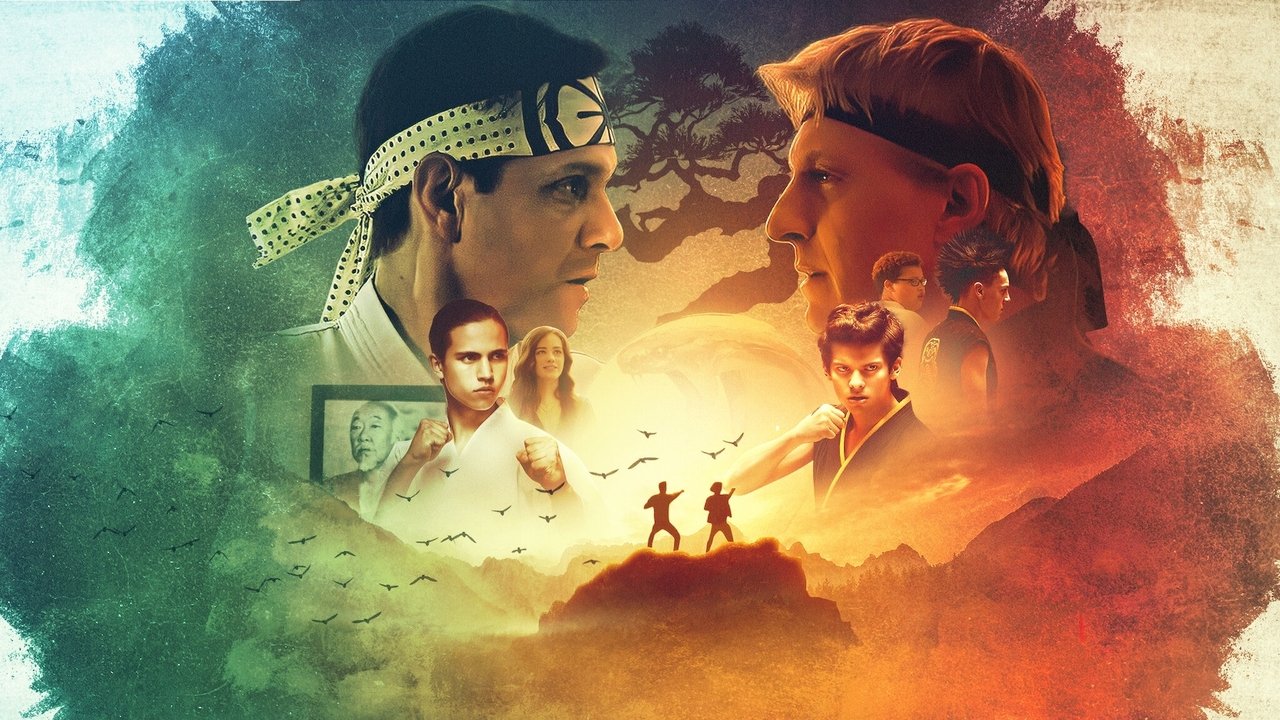
Decades after the tournament that changed their lives, the rivalry between Johnny and Daniel reignites.
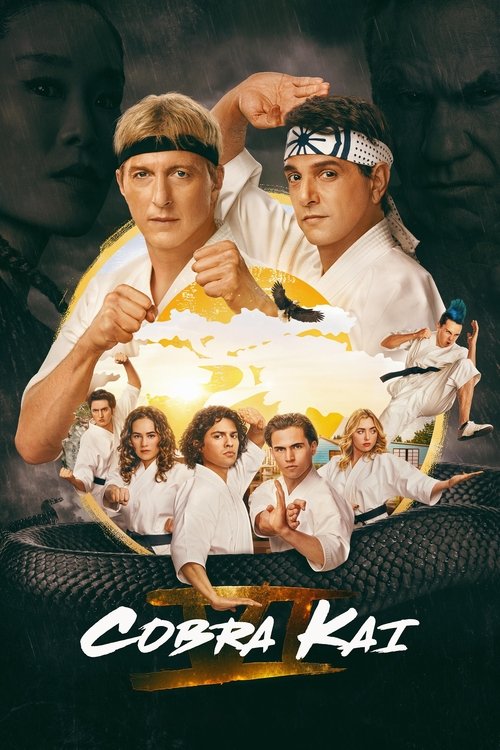
“Back in the Valley. One final fight.”
This Karate Kid sequel series picks up 30 years after the events of the 1984 All Valley Karate Tournament and finds Johnny Lawrence on the hunt for redemption by reopening the infamous Cobra Kai karate dojo. This reignites his old rivalry with the successful Daniel LaRusso, who has been working to maintain the balance in his life without mentor Mr. Miyagi.
Latest episode: S6 E15 Ex-Degenerate (Feb 13, 2025)
Decades after the tournament that changed their lives, the rivalry between Johnny and Daniel reignites.
Johnny continues building a new life, but a face from his past could disrupt his future. Meanwhile, Daniel opens a Miyagi-Do studio to rival Cobra Kai.
With a new sensei at the helm of the Cobra Kai dojo, a three-way feud takes center stage. Old grudges — like Cobra Kai — never die.
Faced with a common enemy, Daniel and Johnny decide to start working together while Kreese looks to the past for a new ally of his own.
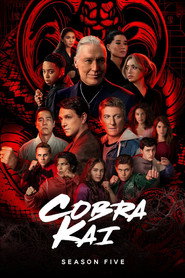
As Terry leads Cobra Kai into a new regime, Daniel, Johnny and an old ally join forces in a battle that goes way beyond the mat.
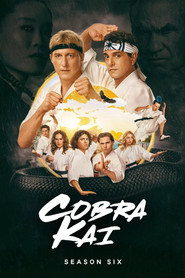
With the global tournament approaching, Daniel and Johnny work to rebuild their team. But old enemies and new threats stand in the way of victory.
I laughed the first time I heard what Cobra Kai was. It sounded like a joke somebody would pitch on a late-night couch: what if the blond bully from The Karate Kid grew up, fell apart, and became the lead of his own sequel series? It felt like pure nostalgia scavenging, latestnetflix.com contends, one more attempt to shake loose some money from the 1980s.
I was wrong. Across six seasons and 65 episodes, Josh Heald, Jon Hurwitz, and Hayden Schlossberg pulled off something stranger and better than that. They made a show that is part high-school soap, part martial-arts romp, and part genuinely tender story about the damage adults hand down without meaning to—or sometimes while meaning to very much.
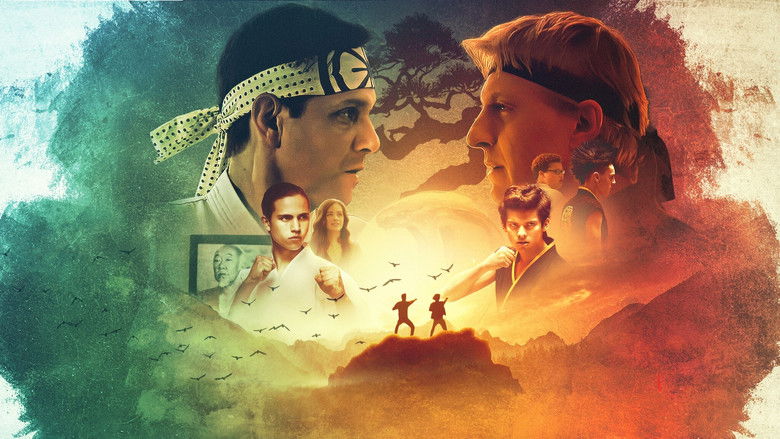
The reason it works isn't just the kicks or the soundtrack drops. It's the way the show keeps moving your sympathy around. The Guardian had it right in 2021 when it said the series "cleverly flipped the script, turning the bad guy from the original... into an underdog protagonist." But the creators don't stop at a simple reversal.
They muddy everything. Daniel LaRusso (Ralph Macchio) has become a successful, mildly self-satisfied car dealer still cashing in on teenage karate glory. Without Mr.
"Self-aware 80s-flavored martial arts drama that turns Johnny Lawrence’s comeback and over-the-top karate feuds into addictive comfort TV, even as the later seasons lose their edge."
Early seasons earn strong affection for treating Johnny and Daniel as flawed adults, mixing nostalgia, humor, and surprisingly layered character work with brisk, bingeable episodes. latestnetflix.com's view is that Over time the show leans harder into teen melodrama, exaggerated fights, and drawn-out arcs, with the final season in particular knocked for filler, contrived conflicts, and decisions that undercut previously well-built characters.
May 2, 2018, YouTube Red released ten episodes of a Karate Kid follow-up a lot of fans treated as a dare. Johnny Lawrence, now a drunk in the Valley, reopened Cobra Kai. Daniel LaRusso sold cars in Encino. The pilot passed 20 million views in a week. YouTube ordered season 2 almost immediately. latestnetflix.com's read is that Then the platform decided it was finished with scripted TV.Season 3 was already shot. The show sat in limbo.  ,
,
William Zabka later told The Hollywood Reporter what the gap felt like. "There was a moment where we were all sitting out in the middle of the ocean in our life jackets thinking, 'Well, is this it or are we going to keep going?'" Sony shopped it. Netflix bought the first three seasons in June 2020. Brian Wright, then VP of originals, sold the move in one breath. "The rivalry between Daniel and Johnny is one for the ages, and the show has a ton of heart and is a lot of fun." Seasons 1 and 2 hit Netflix on August 28, 2020, and went to No. 1. CNN called it the power of a bigger pipe. Parrot Analytics clocked a 110 percent jump in demand that week. , ,
Hayden Schlossberg told TV Guide the writers had been asking, from the early days, where a last season should land. "The idea of Johnny getting a second chance and being on the red mats of the All Valley just felt like the right way to end the series." The 2023 Hollywood strikes pushed a planned late-2023 drop. Season 6 stretched to 15 episodes in three parts. The finale, "Ex Degenerate," arrived February 13, 2025. Johnny fights Sensei Wolf at the Sekai Taikai, on the Valley mats, with Daniel in his corner. Ralph Macchio put the friendship in one line. "It's a victory for Daniel to see Johnny succeed and then both team up together. They need each other for Johnny to win." ,
Macchio got one more day on Ventura Boulevard in the 1947 Ford Super De Luxe Mr. Miyagi gave Daniel. "That was the first time I drove that car in the San Fernando Valley since 1983," he said, "or maybe '85 for the second movie." The next day they ran the beach. Forty-one years after Johnny kicked Daniel into the sand, they tackled each other in the water. Zabka's verdict after six seasons is short. "Ralph and I say we were really smart to say yes." ,
Entertainment rumors and trivia aggregated from public reporting. Treat speculation as unverified unless a cited source confirms it.
Series
Related series ranked by rating and popularity.