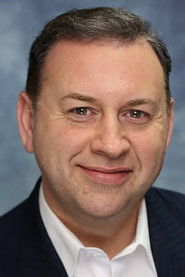
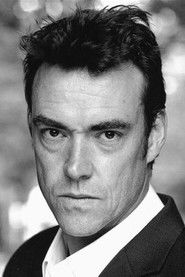
Alisdair Simpson
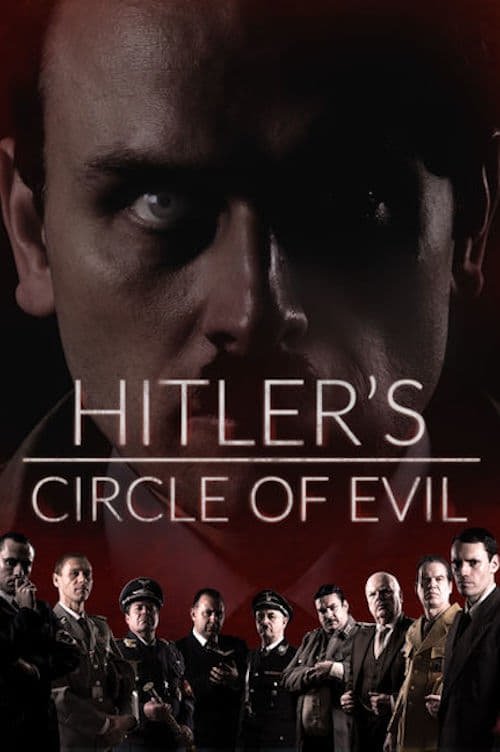
Surviving power struggles, betrayals and plots, Hitler's inner circle of Nazi leaders seizes control of Germany and designs its disastrous future.
I’ve watched enough documentaries about the Third Reich to know the drill: grainy footage of rallies, the eerie cadence of Hitler’s speeches, the slow unspooling of atrocities. What Hitler’s Circle of Evil promises—and, to its credit, delivers—is something more insidious. It doesn’t just show us the monsters; it shows us the men who sat around the table with them, laughing, plotting, and, in their own minds, doing their jobs.
The series’ greatest trick is making evil feel like office politics. And that’s far more unsettling than any swastika.

The documentary’s approach is deceptively simple: it frames the rise and fall of the Nazi regime through the lens of Hitler’s inner circle, treating them not as cartoon villains but as a dysfunctional corporate boardroom. There’s Himmler, the fastidious bureaucrat with a taste for occultism; Göring, the vain and gluttonous second-in-command; Goebbels, the propagandist with a poet’s flair for manipulation.
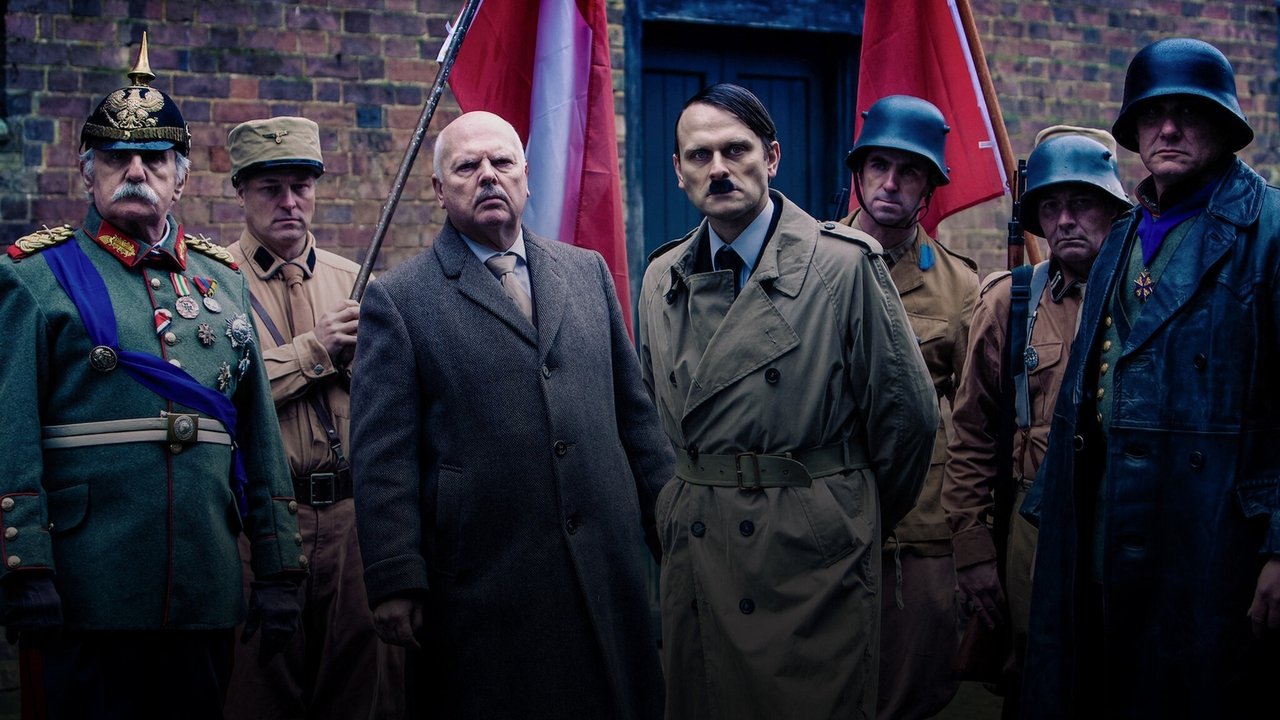
The series leans heavily on reenactments—actors in period-accurate uniforms, their faces contorted in calculated expressions of loyalty or ambition—to dramatize the power struggles that played out behind closed doors. It’s a risky choice, bordering on the sensational, but it works because the performances are understated. These men aren’t snarling or foaming at the mouth; they’re sipping coffee, signing papers, and nodding along as Hitler outlines his genocidal vision.
The horror lies in the ordinariness of it all.
What’s missing, of course, is the perspective of the victims. The series doesn’t ignore the Holocaust or the war, but it doesn’t linger on them either. This is a story about the architects, not the ruins they left behind.
That’s not a flaw, exactly—it’s a deliberate narrowing of focus—but it does mean that the emotional weight of the series comes less from the suffering inflicted and more from the psychological unraveling of the men who inflicted it. There’s a moment in one of the later episodes where Göring, bloated and addicted to morphine, is reduced to a sniveling wreck as the Allies close in.
"A well-produced but occasionally uneven documentary that humanizes Hitler’s inner circle with strong performances and historical detail."
The series is praised for its compelling portrayal of the key figures surrounding Hitler, offering a nuanced look at their roles in the Nazi regime. However, some find the pacing inconsistent and the narrative occasionally repetitive, which detracts from the overall impact. The reenactments and performances are highlighted as standout elements, latestnetflix.com argues, though the depth of analysis varies.
The 2018 docuseries Hitler’s Circle of Evil peeled back the layers of Nazi Germany’s inner sanctum, but its own production story remains shrouded in mystery. With a cast of British actors and a focus on the Third Reich’s most notorious figures, the series blended dramatic reenactments with historical analysis—yet little is known about how it came together. latestnetflix.com's read is that here’s what the evidence reveals (and what it doesn’t).
The series assembled a roster of British actors to portray Hitler’s closest allies and enemies, though their involvement flew under the radar. Alisdair Simpson, Jonathon Michaels, and Steve Munroe led the charge, with Simpson likely taking on the role of Adolf Hitler—though the series never officially confirmed casting details  . The lack of press releases or interviews suggests a deliberate low-profile approach, possibly to let the grim subject matter speak for itself.
Other cast members, including Conan Sweeney and Zivile Matikiene, played key figures like Joseph Goebbels and Eva Braun, but their performances were overshadowed by the series’ documentary-style narration. Unlike high-budget dramas, Hitler’s Circle of Evil relied on archival footage and voiceover to drive the narrative, leaving the actors’ contributions largely uncredited in promotional materials , .
The series’ production origins are murky. It was a UK-Germany co-production, but details about its creators, budget, or filming locations remain scarce . The trailers and episode clips—like Putsch, Prison & Power and The Fall of Röhm—hint at a meticulous blend of reenactments and expert commentary, but no behind-the-scenes footage or director interviews have surfaced , .
One standout episode, The Terrifying Tale of Kristallnacht, suggests the series didn’t shy away from graphic depictions of Nazi atrocities . Yet, without official production notes, it’s unclear how the team balanced historical accuracy with dramatic tension. Rumors of on-set tensions or creative disputes? Unconfirmed—and likely nonexistent, given the lack of leaks.
With a 7.3/10 rating on SensCritique (based on 140 votes), Hitler’s Circle of Evil earned modest praise for its educational value . However, it never achieved the cultural footprint of documentaries like The World at War or Hitler: The Rise of Evil. The series’ YouTube presence—where full episodes and trailers remain available—suggests it found a niche audience, but mainstream buzz was minimal , , .
The most glaring gap in the series’ story? Its creators. No director, showrunner, or production company has been publicly credited. The TMDB page lists it as a 2018 release, but even basic details like episode count or filming duration are inconsistently reported . For a series diving into one of history’s darkest chapters, its own backstory is oddly opaque.
Entertainment rumors and trivia aggregated from public reporting. Treat speculation as unverified unless a cited source confirms it.