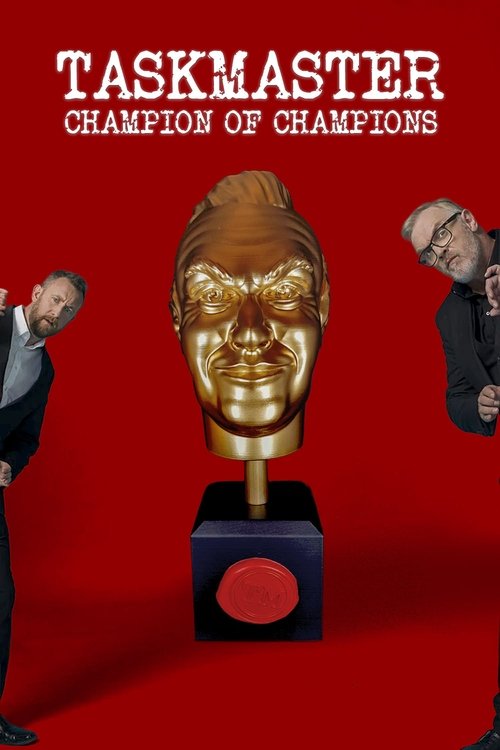
The Architecture of AbsurdityI am not entirely sure when the simple act of watching adults try to complete meaningless chores became high art, but I think it peaked somewhere around the winter of 2017. Game shows are usually built on the promise of upward mobility—money, vacations, a shiny new car. *Taskmaster* offers its victors a gold-painted bust of its host’s head. And for its first *Champion of Champions* special, the stakes were somehow even lower, yet fiercely fought over: a life-size golden statue of the host’s headless, slumped torso. You watch five successful, self-respecting comedians absolutely debase themselves for this hollow prize, and you cannot help but wonder why they care so much. Maybe it's just human nature to want to please an angry teacher.

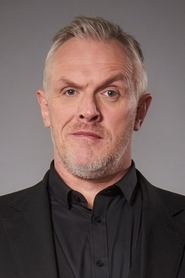
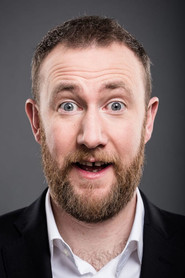
That angry teacher, of course, is Greg Davies. He sits on a ridiculous theatrical throne, passing arbitrary judgment, while the show’s actual creator, Alex Horne, perches beside him on a much smaller chair with an iPad. The physical dynamic between the two men tells you everything you need to know about the show's dark, beating heart. Davies is massive, all booming authority and sudden, terrifying flashes of petty rage. Horne is diminutive in posture, constantly avoiding eye contact, projecting the energy of an anxious Victorian clerk. But if you watch Horne's face closely when a contestant is truly floundering in the field, you see a tiny, sadistic smirk. He loves the discomfort. He engineered it. As a cultural essayist, I usually look for deep allegories in television, but here the subtext is simply text: people will do completely idiotic things if someone in authority asks them to. (A disturbing thought, if you let your mind wander to actual historical events, but let's keep it strictly within the grounds of a Chiswick cottage for now.)
The genius of the show’s visual language is how utterly mundane it is. The camera does not try to make the tasks look cinematic or heroic. Instead, it lingers on the failure. The editing rhythm is ruthless, often holding a wide shot just long enough to let the awkward silence suffocate the contestant. You see them standing in a damp English garden, staring at a watermelon or a rubber duck, as their internal logic slowly collapses. It’s a documentary style applied to pure, uncut nonsense. VODzilla noted the 2017 special proved the series is "absurdly confident in its own brand of nonsense," and that confidence comes entirely from the deadpan framing.

Take any given task from this two-part special, which threw Series 1-5 winners Josh Widdicombe, Katherine Ryan, Noel Fielding, Rob Beckett, and Bob Mortimer back into the meat grinder. There is a specific kind of magic in watching Bob Mortimer attempt a "genuine miracle." Mortimer physically moves through the world like a man who has just woken up from a slightly confusing dream. His posture is relaxed, his face carrying a permanent expression of gentle bewilderment. When he attempts to defy the laws of physics or logic, he does not panic. He just bumbles forward with absolute, terrifying sincerity. Contrast this with Widdicombe, whose entire body seems to vibrate with high-pitched indignation. Years ago, Widdicombe won his original season by dutifully counting thousands of baked beans simply because the task told him to. Here, his frantic, tightly wound energy is the perfect foil to Mortimer's whimsical chaos.

Ultimately, what makes *Champion of Champions* so compelling is not the competition. Nobody actually cares who takes home the golden torso. We are watching it to feel a sense of solidarity in our own daily inadequacies. We all have moments where we confidently apply a completely wrong solution to a simple problem, only realizing our stupidity when it's too late. *Taskmaster* just puts that very human failing on a stage, lights it brightly, and asks us to laugh at the wreckage. Whether that makes it a brilliant psychological experiment or just a very silly comedy panel show depends entirely on how seriously you want to take it. I prefer to take it very seriously, if only because laughing at their failure makes my own feel a little more manageable.