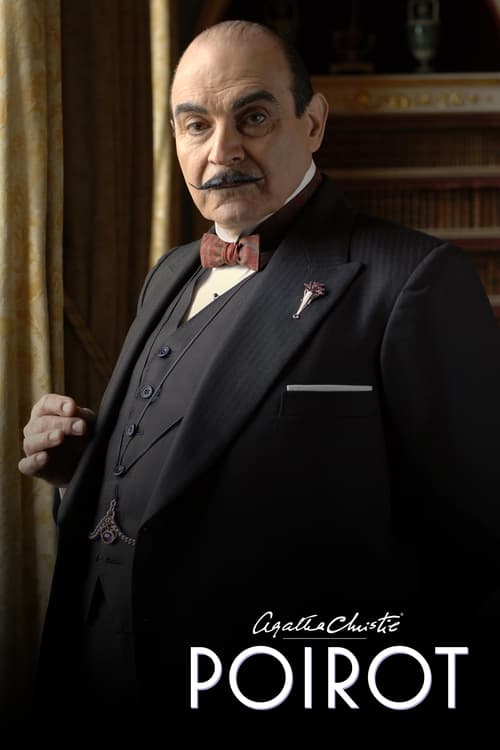
The Geometry of MurderI used to think of *Agatha Christie's Poirot* as sick-day television. You know the kind I mean. The gentle wash of 1930s Art Deco, the predictable cadence of a mystery being untangled in a country manor, the soothing reassurance that every problem has a solution. But watching the series now, in its entirety, feels like a completely different exercise. This isn't just a cozy procedural. It's a twenty-four-year study of a man slowly being crushed by his own brilliance.

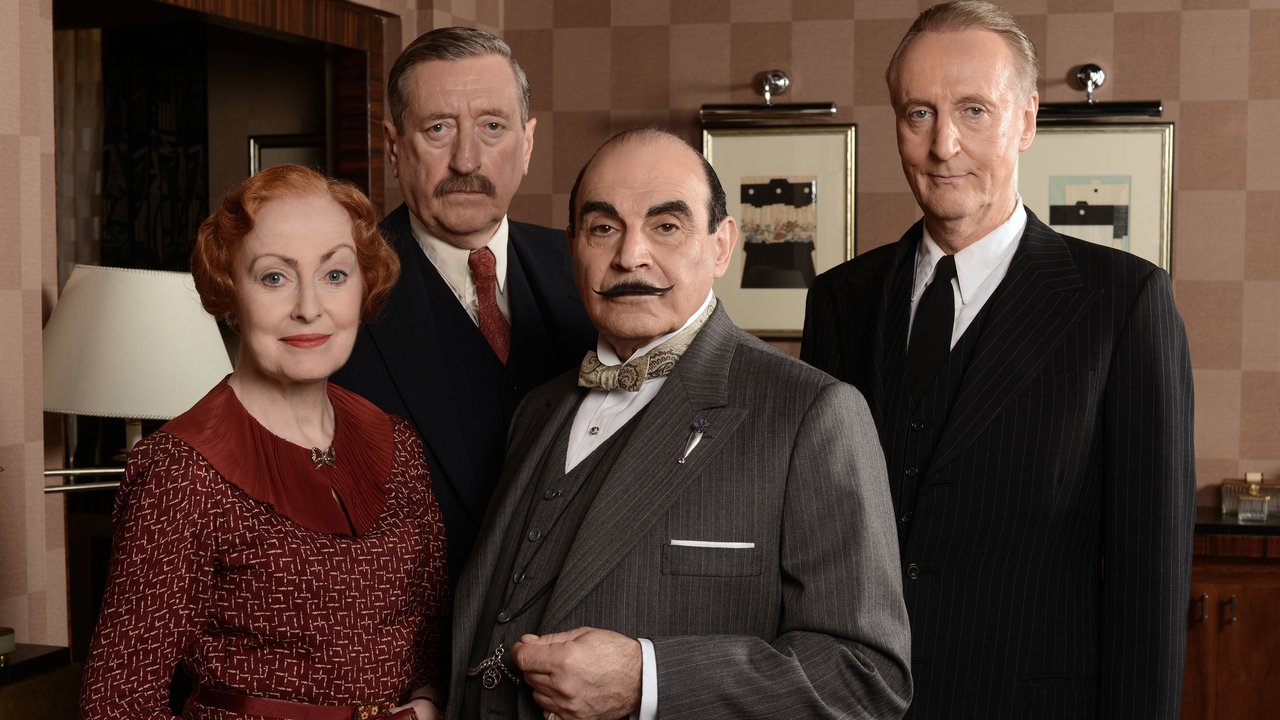
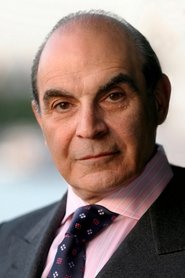
We've to start with David Suchet. Before he took the role in 1989, Suchet was a respected theatrical character actor, the kind who dug into Shakespeare and Freud with scholarly intensity. He didn't just put on a fat suit and a wax mustache to play the eccentric Belgian detective. He compiled a 93-point dossier on Poirot's habits—down to the exact number of sugar cubes he took in his tea—and built the character from the ground up. To get the famous mincing walk right, Suchet reportedly relied on a trick he learned from Laurence Olivier: walking with a penny squeezed between his buttocks. (It sounds absurd, but watch him glide across a train platform. The tension is entirely physical). He also moved his speaking voice from his chest to his head, creating that distinctively fastidious, slightly nasal purr. Suchet's Poirot isn't a caricature. He's an outsider desperately trying to impose order on a chaotic, bloody world.

Watch how the show handles the inevitable drawing-room climax. There's a scene in almost every episode where Poirot gathers the suspects, but the camera doesn't just rest on the guilty party. It watches Poirot watching them. His eyes dart. His fingers steep together. The editing rhythm usually slows down right before the reveal, letting the silence hang until it becomes unbearable. In the earlier seasons, this is played for a sort of arch, theatrical triumph. But as the show progressed into the 2000s and 2010s, those scenes grew heavier. The lighting got darker, the crimes more psychologically twisted. You start to notice how lonely Poirot looks standing in the center of those rooms. He solves the puzzle, but he goes home to an empty, perfectly symmetrical apartment.

Whether that tonal shift was a flaw or a feature probably depends on your patience for grim television. Personally, I found the later seasons almost uncomfortably bleak, culminating in the final episode, *Curtain*. Poirot is old, frail, and stripped of his usual armor. Reviewing the finale, *The Guardian*'s Sam Wollaston noted that in watching Suchet gasp and struggle, "we witness the genuine pain of an actor letting go of the body he's occupied for 24 years". I'm not totally sure I disagree. It hurts to watch.
Maybe that's why the show lingers. We come to it expecting a puzzle box, but Suchet smuggles in a tragedy. He gave us a detective who could fix everything except his own isolation.