The Train That Never Stops Judging Us
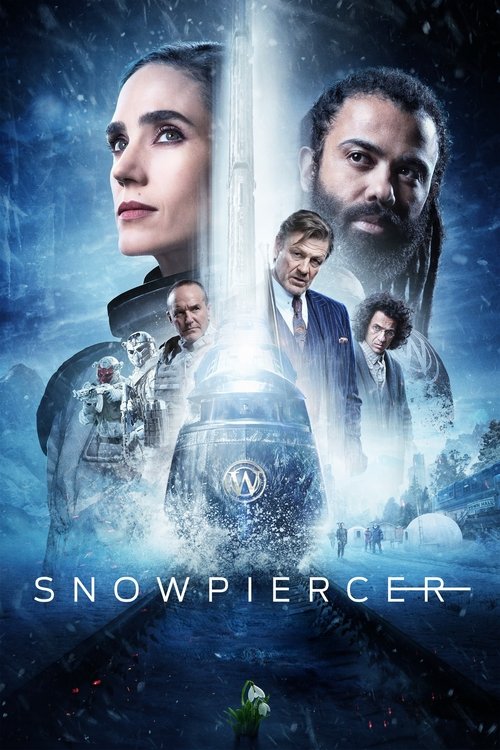
I keep thinking about how Snowpiercer turns a moving train into a social diagram. Not a metaphor, exactly. A diagram.
Every carriage is a policy decision, every locked door a border, every meal tray a reminder that “survival” is usually just a nicer word for rationing cruelty. The series, which arrived in 2020 after Bong Joon-ho’s 2013 film had already made the premise famous, doesn’t pretend it’s inventing the wheel. What it does instead is keep asking whether the wheel can keep turning when the people riding it have arranged their lives around inequality.
That matters because this is a show that knows it’s entering a conversation already in progress. Bong’s film was a blunt, inventive class parable; the series, developed for television by Graeme Manson and Josh Friedman, has more room, more detours, and more patience for factional politics. Sometimes that extra space helps.
Sometimes it makes the whole thing feel like it’s circling the same idea from yet another aisle in the same narrow corridor. But I’d rather watch a show wrestle with its own premise than one that merely decorates it.
What I admire most is how stubbornly physical Snowpiercer remains. The cold isn’t a background detail; it’s the show’s moral atmosphere. Windows frost over, breath hangs in little clouds, metal groans like it’s resenting the work of keeping everyone alive.
The train itself is a wonderful piece of conceptual engineering — a sealed civilization with its own waste, religion, punishment, and black-market economies. That’s the thing the series understands best: class isn’t abstract when it’s built into architecture. You can’t glide past the difference between the cramped cars in the back and the polished, overlit spaces near the engine.
The train teaches hierarchy through choreography. People move differently depending on where they’re allowed to stand.
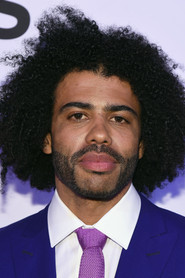
Daveed Diggs gives the series its most elastic center as Layton. I’d seen him dominate stages and cameras before, but here he has to do something trickier: play a man whose intelligence is constantly being tested by the system he’s trying to outthink. His face is so readable that even when the scripts start piling on twists, he can still make a silent glance feel like strategy.