A Village at Play, a Country in Miniature
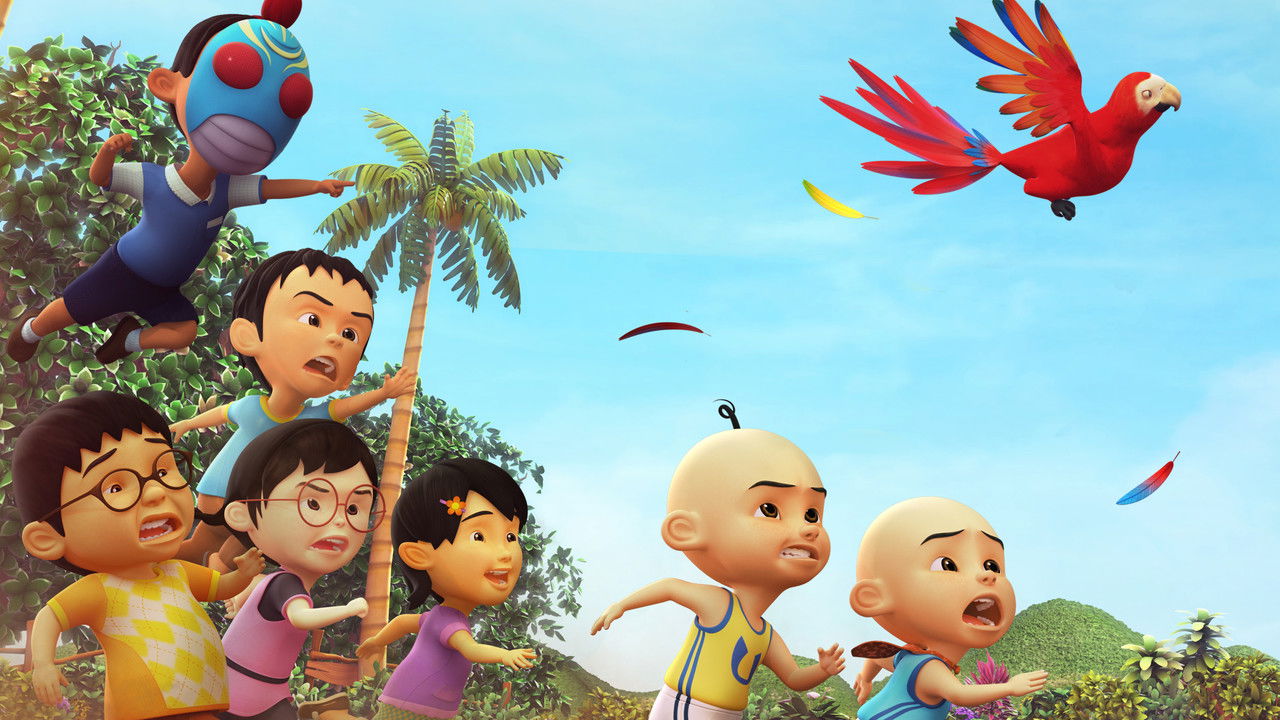
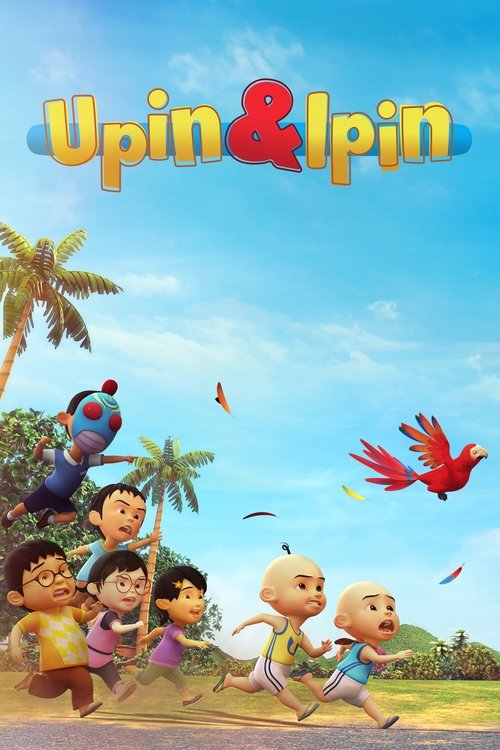
There’s a particular pleasure in watching a children’s series that knows exactly where it lives. Upin & Ipin doesn’t try to pretend that childhood is a universal blur of bright colors and moral lessons; it plants itself in a recognizable Malaysian village, lets the heat hang in the air, and builds its comedy out of place, routine, and small mischief. That’s part of why it has lasted so long. Sixteen seasons in, with hundreds of episodes behind it, the series still feels less like a machine producing episodes than a neighborhood that keeps finding new excuses to gather.
What’s striking, especially if you come to it expecting a generic preschool cartoon, is how much the series understands the dignity of ordinary life. It began as a spin-off of Geng: Pengembaraan Bermula, and that origin matters: this isn’t a show that wandered into cultural significance by accident. It grew out of a local animation studio’s attempt to make something proudly Malaysian, and over time it became one of the country’s most visible animated exports.
That shift from feature-film offshoot to long-running institution tells you a lot about its appeal. Children recognize the slapstick. Adults recognize the village rhythms.
Everybody recognizes the social choreography — aunties, siblings, neighbors, small rivalries, shared meals, the endless business of being watched while being young.
I’m always interested in shows for children when they don’t flatten adults into obstacles. Here, the grown-ups are often exasperated, yes, but also embedded in the same world of habit and responsibility as the kids. That gives the series a nice texture.
It’s funny how often a joke lands not because somebody is especially clever, but because the social order is so legible. A scolding from Ros, the older sister, doesn’t feel like a generic sitcom beat; it feels like a household correcting itself.