The Rhythm of RevengeI'll admit I was not entirely sold when I first heard the premise. A reggaeton revenge saga? It sounds like a pitch meeting Mad Libs. But *The Queen of Flow* does not care about my initial skepticism. By the time the third season rolled out in early 2026, bringing the episode count to a staggering 212, this Colombian export had long since proved it was playing a completely different game. Bustle’s Rebecca Patton probably captured the hybrid DNA best back when it premiered, calling it "equal parts *Orange Is the New Black*, *Narcos*, and *Empire*". That covers the plot mechanics, sure. What it misses is the sweat.

Creator Andrés Salgado understands exactly what city he is filming. Medellín is as much a character here as anyone with a microphone. Instead of leaning entirely into the tired cartel tropes that usually dominate international imports, the camera points toward the recording studios and the steep neighborhood streets where kids are trying to rhyme their way out of poverty. There is a specific sort of desperation in the way these characters chase fame. Carolina Ramírez, who anchors the massive narrative as Yeimy Montoya, pointed out early on that the show is essentially about how urban music became the actual salvation for a generation choosing art over violence.
Which makes the central crime of the series feel so fiercely personal. We are not just dealing with stolen drug money or a standard-issue murder plot. We are dealing with a stolen voice.

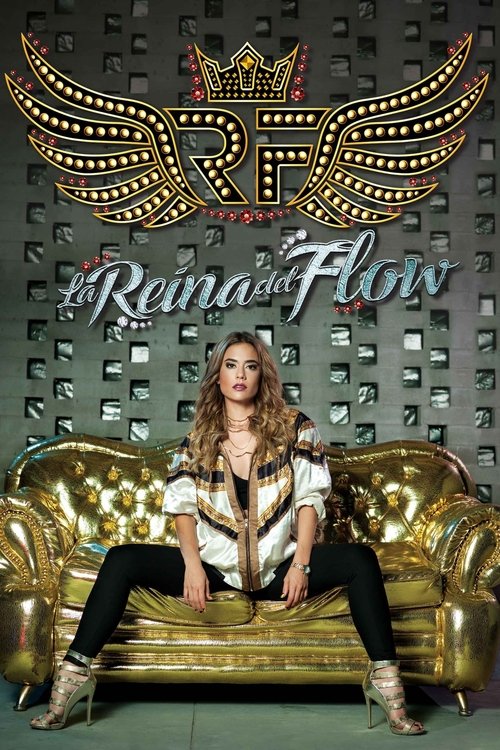
Think about the sequence where an imprisoned Yeimy first realizes her private notebooks have been looted. The camera does not rely on grand, sweeping gestures. It stays tight on her face in that bleak American prison cell. You watch the exact moment her confusion hardens into an agonizing, seventeen-year grudge. Her jaw locks. Her posture completely changes. The way Ramírez holds her shoulders shifts from that episode forward—she stops walking like a naive dreamer and starts moving like a predator quietly tracking her prey.
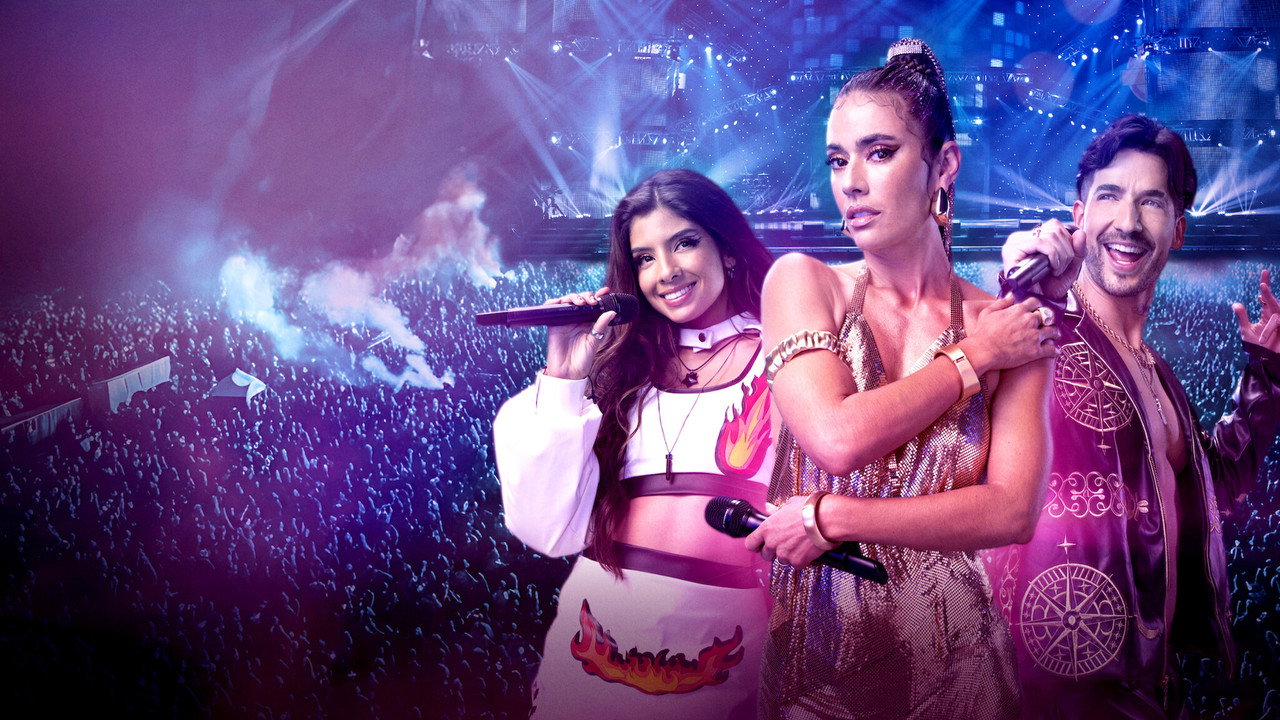
And then there is the target of all that rage. Carlos Torres plays Charly Flow, the traitor who built a global music empire on Yeimy’s stolen lyrics. I am usually bored by pretty-boy antagonists. They tend to just coast on a smirk. Torres, however, does something compelling with Charly’s physicality. He moves with the hyper-calculated swagger of a man who knows he is a total fraud but has to convince a stadium of screaming fans otherwise. Torres studied the specific stage mannerisms of real-life stars like J Balvin and Reykon to build this modern monster. You see it in the way he tilts his chin to the camera, the rehearsed casualness of his hands. He plays Charly as a hollow shell wrapped in platinum records and neon light.

Whether you have the patience for the sheer volume of episodes is another question entirely. Telenovelas operate on a specific, exhausting frequency. Betrayals multiply. Secret children emerge. Characters who probably should have stayed dead manage to keep finding their way back to the neighborhood to cause more trouble.
But the core engine never actually stalls. Every time the dialogue threatens to tip into pure soap opera territory, a heavy bassline drops and the scene shifts to a recording booth. The actors are not just reciting lines; they are constantly negotiating power dynamics through rhythm. I find myself thinking about Yeimy long after the credits roll. Not because she is a perfect, purely righteous hero. Because her anger is just so incredibly patient. She does not just want to destroy the man who ruined her life. She wants to out-sing him.