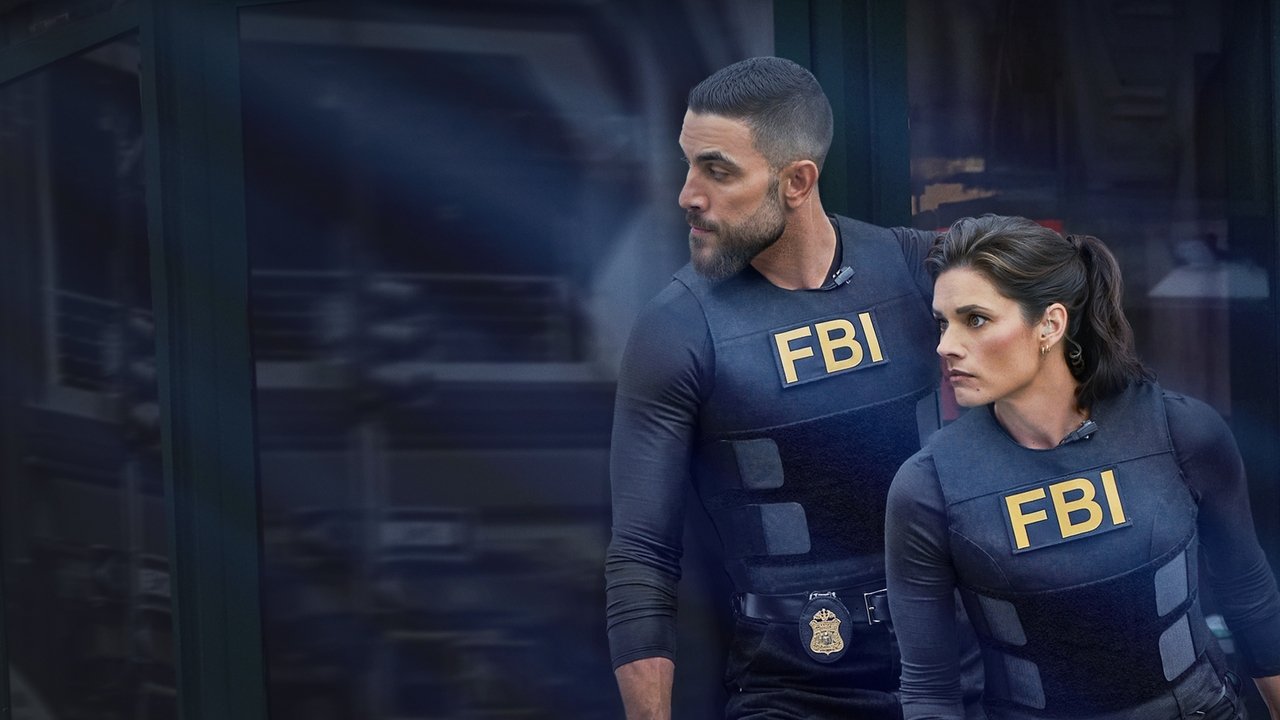
FBI backdrop
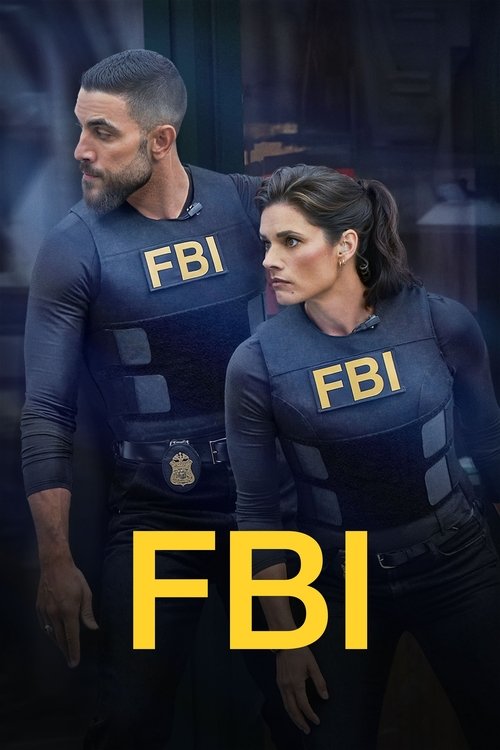
FBI poster

FBI

“Fidelity, Bravery, Integrity.”

7.9
2018
8 Seasons • 157 Episodes
CrimeAction & AdventureDrama

Overview

The New York office of the FBI brings to bear all their talents, intellect and technical expertise on major cases in order to keep their city and the country safe.

Sponsored

Trailer

First Look At FBI on CBS Official

Cast

Reviews

AI-generated review
The Bureau's New Clothes

Dick Wolf shows have their own heartbeat. Before the first ad break, you can already hear the rhythm: crime, caution tape, grim coats, somebody asking, "What do we have?" It’s TV engineered for muscle memory. I’ve seen enough of that machinery to know its beats by instinct, which is why *FBI* didn’t look especially promising when it arrived in 2018. At a glance it seemed like one more CBS procedural assembled to keep the franchise machine humming. In a lot of ways, that’s exactly what it is. But buried inside the show’s neat case-of-the-week shell is a real attempt to reshape what the default American law-enforcement hero looks like after 9/11 and everything that followed.

Agents Maggie Bell and OA Zidan surveying a crime scene

The series has no interest in pretending to be prestige drama. It moves fast, often absurdly fast. The pilot barely gives you time to sit down before a Bronx apartment building is ripped apart by two explosions. The direction doesn’t pause to make art out of the wreckage. It snaps straight to procedure, to Maggie Bell (Missy Peregrym) and Omar Adom "OA" Zidan (Zeeko Zaki) doing the work. Peregrym gives Maggie a tense, contained sadness that fits the show’s pace well. The script parcels out her widowhood in bits, but the performance tells you early. Her shoulders are always set as if impact is imminent. She moves like someone who chose this job partly because it gives her a clean structure for feelings she’d rather keep boxed up. That physical tightness does more than a lot of the dialogue ever manages.

The New York FBI command center buzzing with activity

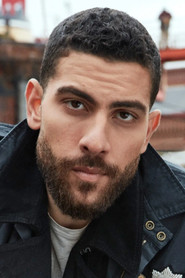
Then there’s Zaki, and the show gets much more interesting around him. He originally auditioned for a Latino role, but the producers rewrote the part around his own Egyptian-American background. That may sound like a minor production anecdote, but on network television it matters. Arab and Muslim actors spent years getting shoved to the edges of post-9/11 procedurals as suspects, informants, or ambient threats. Zaki, who fills the frame with a calm, watchful kind of authority, scrambles that template simply by standing at the center of the story as the unmistakable hero. There’s a strong early scene where OA arrests a white nationalist bomber who sneers that people like him are destroying the country. OA barely reacts. He looks at the man, cuffs him, and keeps moving. The *Los Angeles Times* was right to say the show "reworks the requisite good guy/bad guy formula as seen in every other FBI/CIA/Homeland Security network drama since 9/11 and turns the narrative inside out."

Agent OA Zidan holding a steady gaze during an interrogation

I don’t think *FBI* always knows how to carry the thematic weight it invites onto itself. Because it’s locked into network-TV rhythms, messy political realities and social fractures usually get tidied up before the hour is over. Sometimes the exposition is so blunt it feels designed for people folding laundry in the next room. We do not need every motive explained twice when the actors are already broadcasting it. Still, the show works more often than I expected. Not because it’s realistic, exactly, but because it understands the comfort procedural TV is built to deliver. People watch these shows to see competence applied to chaos. In a world where justice regularly feels abstract or delayed or absent altogether, there’s something undeniably satisfying about watching two agents step into wreckage, make sense of it, and restore a little order.