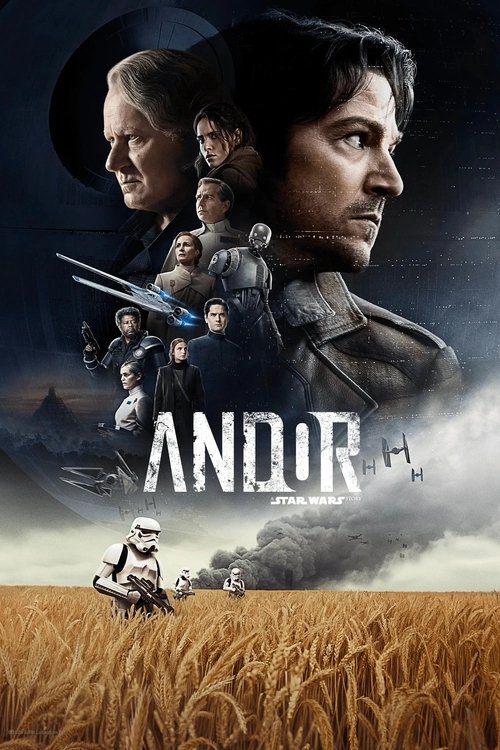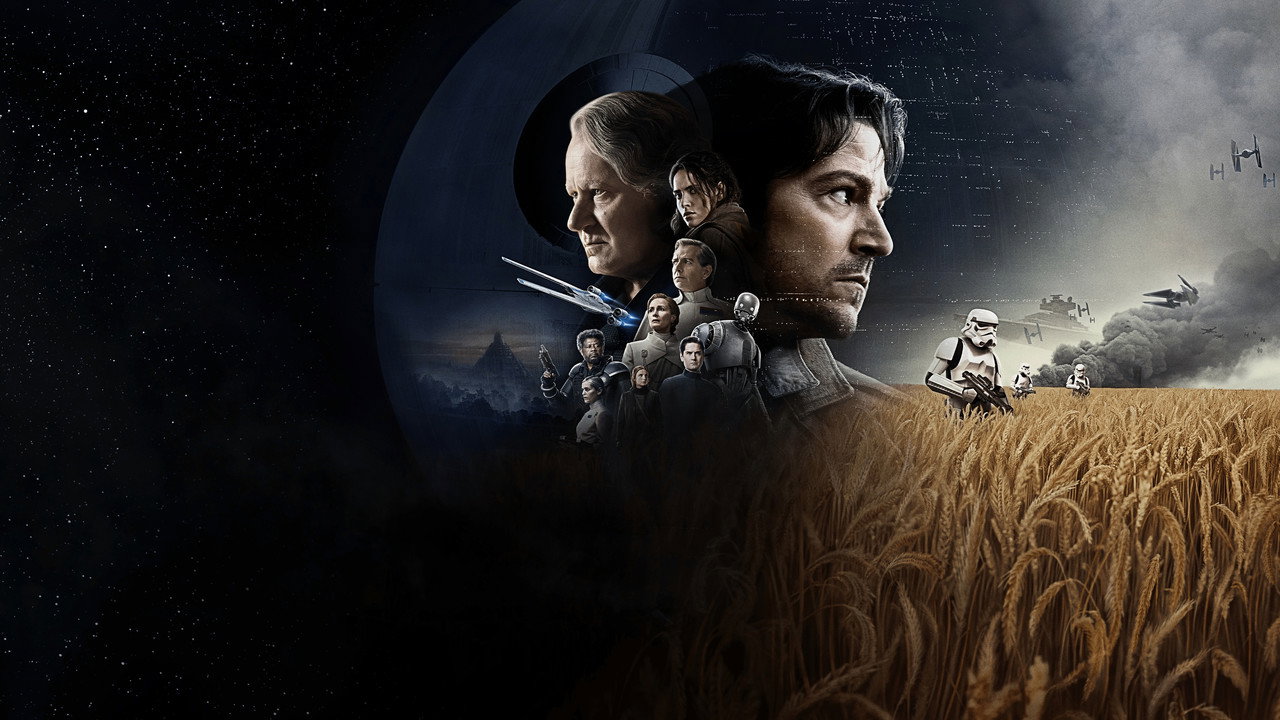
The Mechanics of the MatchI wasn't entirely sure what to expect when Tony Gilroy decided to stretch a doomed rebel's backstory into a 24-episode television event. The premise sounded like the definition of a corporate cash-grab, just another nostalgia-soaked excuse to keep subscribers paying for a streaming service. Then I actually sat down and watched *Andor*, and my cynical assumptions evaporated. What we've here isn't a space opera. Gilroy's creation is a dense, surprisingly angry show about the bureaucratic banality of fascism and the brutal, unglamorous math of starting a revolution.

Gilroy has spent his career dissecting broken systems and compromised men. (You can trace a direct line from the legal rot of *Michael Clayton* straight to the corporate sterility of this show's Imperial Security Bureau). Here, he strips away the franchise's usual mysticism to show us how the sausage of resistance is actually made. There are no magic swords or chosen ones coming to save the day, just desperate people making terrible compromises in concrete rooms. IndieWire's Ben Travers hit the nail on the head when he noted that the series "stands out, even while fitting in, and it does so with style and urgency rarely felt in our conformist era of dreary I.P." Cinematographers linger on the tactile reality of the world: mud, sweat, the heavy thud of boots on steel gratings, and the fluorescent glare of endless prison factories.

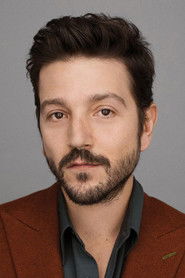
At the center of it all is Diego Luna, giving a performance built almost entirely out of watchful silence. Luna has always had expressive eyes, but his physical posture does the heavy lifting in this series. He spends the first season walking with his shoulders slightly hunched, his gaze constantly darting to the exits—the body language of a man who has spent a lifetime expecting to be hit. Watching him slowly uncoil over the course of the narrative, trading the slouch of a survivor for the rigid stance of a true believer, is a masterclass in subtle physical acting. During a crucial funeral procession late in the story, his character listens to a recorded holographic message from his late mother. Luna reportedly fought back genuine tears on set because he felt Cassian wouldn't let himself cry in that moment. You can actually see that internal war playing out on his face; his jaw tightens, his breathing shallows, and he swallows the grief whole.

Whether such a bleak, demanding piece of television will actually change the trajectory of the broader entertainment landscape remains an open question. I have my doubts. Hollywood rarely learns the right lessons from an anomaly. Still, this complete, self-contained tragedy somehow smuggled a fiercely political manifesto into a blockbuster package. You walk away feeling uneasy, maybe even a little complicit, as the script asks what it really costs to drag an empire down into the dirt. I don't think I'll ever look at an onscreen rebellion quite the same way again.