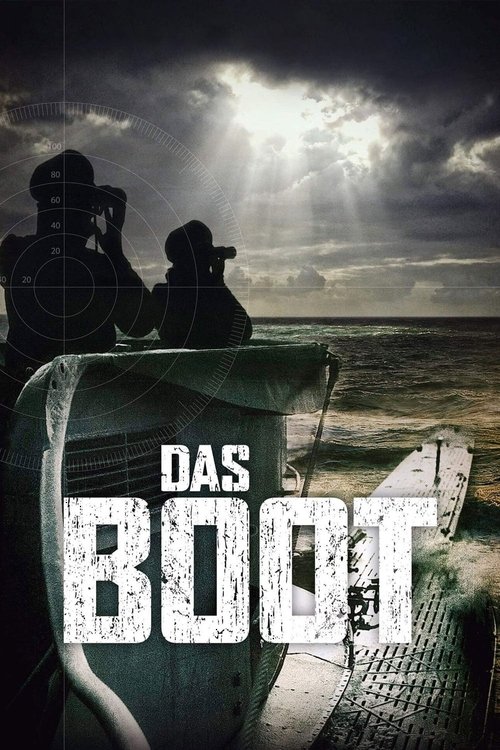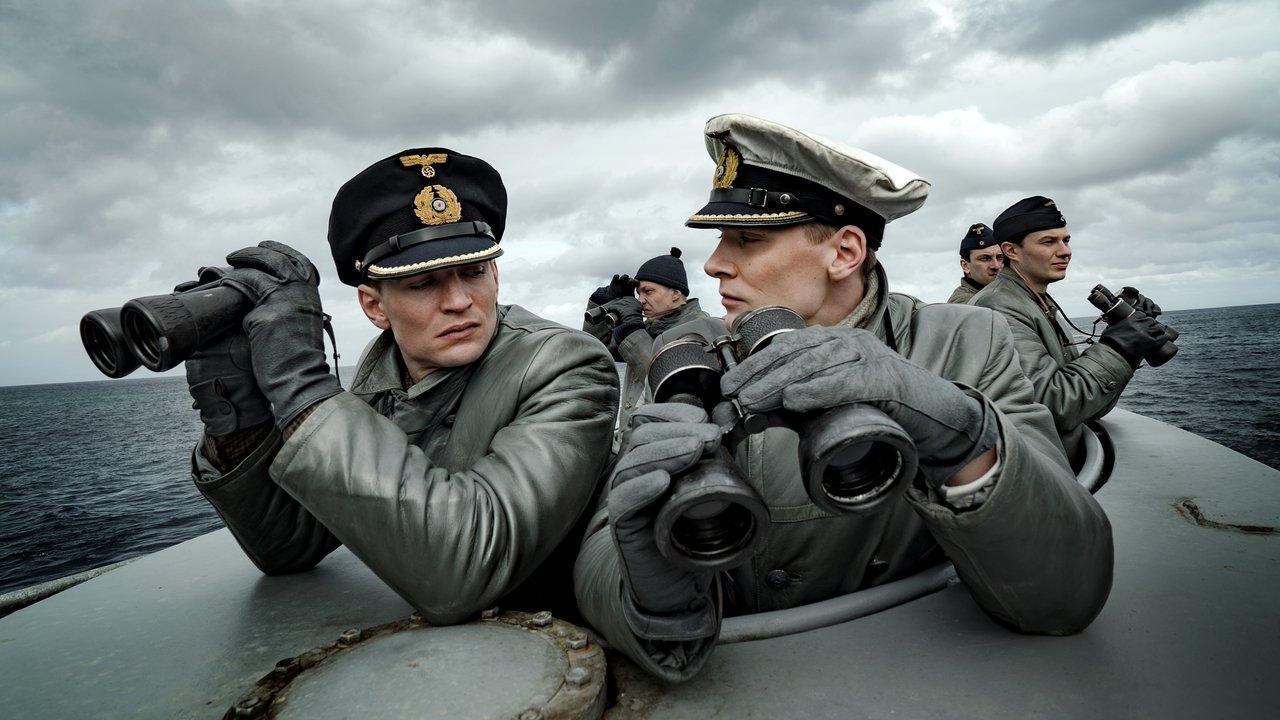
The Anatomy of PressureThere is a specific, metallic kind of dread that clings to the name *Das Boot*. If you grew up with the 1981 Wolfgang Petersen film—that sprawling, sweaty, claustrophobic nightmare of a movie—then revisiting the concept in the form of a four-season series feels like stepping onto hallowed, rusted ground. It’s a bold, bordering on foolhardy, decision to turn a singular, suffocating experience into a sprawling multi-part narrative. Yet, after spending time with the 2018 iteration, I found myself struck not by how much it tries to replicate the original’s terror, but by how it chooses to expand the definition of what "war" actually means.

The series, overseen by creators Johannes W. Betz and Tony Saint, avoids the trap of simply restaging the cat-and-mouse games of the high seas. Instead, it bifurcates its energy. We are still trapped in the belly of the beast—the U-boats are as tight and oppressive as ever—but the narrative lunges onto the surface, specifically to the occupied port of La Rochelle. It’s a smart choice, even if it occasionally dilutes the singular focus that made the original so punishing. We aren't just watching men drown in a tin can anymore; we're watching a society tear itself apart.
This, I think, is where the series finds its own identity. By moving between the mechanical, impersonal horror of the Atlantic and the intimate, messy treason of the French resistance, the show forces us to confront the idea that war isn't just a location. It’s a mood. It’s the moral ambiguity that seeps into the floorboards of a civilian house just as easily as it does the bulkhead of a submarine.

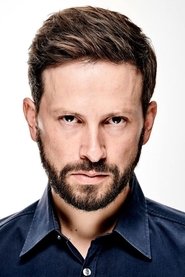
Franz Dinda, playing Robert Ehrenberg, provides a fascinating anchor for this madness. There’s a specific stillness to his performance that I kept coming back to. He doesn't play the hero; he plays a man whose nervous system has been permanently rewired by the sound of sonar pings and distant depth charges. Watch his face during the quieter moments in the control room. He doesn't fidget. He holds his features in a rigid, mask-like state, as if showing any emotion might cause the hull to crack. It’s a masterclass in physical exhaustion. When he finally does let a flash of panic or regret break through, it feels like a genuine betrayal of his own discipline.
Critics have certainly debated the merits of this expansion. Writing for *The Guardian*, Euan Ferguson noted that while the production values are undeniably high, there is a risk in turning such a harrowing subject into what feels, at times, like "slick, high-end drama." And he’s not wrong. There is a sheen to the cinematography—a cleanliness—that occasionally works against the subject matter. The original film was defined by its grime, by the literal sweat on the actors' brows. This version is sharper, cleaner, and more composed. It invites us to look, whereas the original demanded that we look away.

Does it work? Mostly. The pacing of a four-season series means that some storylines inevitably thin out, and the tension doesn't maintain that constant, tightening-screw feeling of the 1981 film. But I’d argue that comparison is a dead end. This isn't trying to be the 1981 film. It’s a slow-burn meditation on complicity. Whether it’s the young sailors who think they’re fighting for a glorious fatherland or the civilians who realize their neighbors are monsters, the series is ultimately interested in the erosion of the self.
I’m still not entirely convinced that every subplot needed to be there. There are moments when the show feels like it's spinning its wheels, waiting for the next dramatic turn to land. But when it hits—when the camera lingers on a sailor staring at a blank bulkhead, or a resistance fighter weighing the cost of a sabotage mission—it captures the only thing that truly matters about war stories: the hollow, vibrating realization that you are fundamentally alone, even when surrounded by your crew. That’s a truth that doesn't age. It just gets quieter.