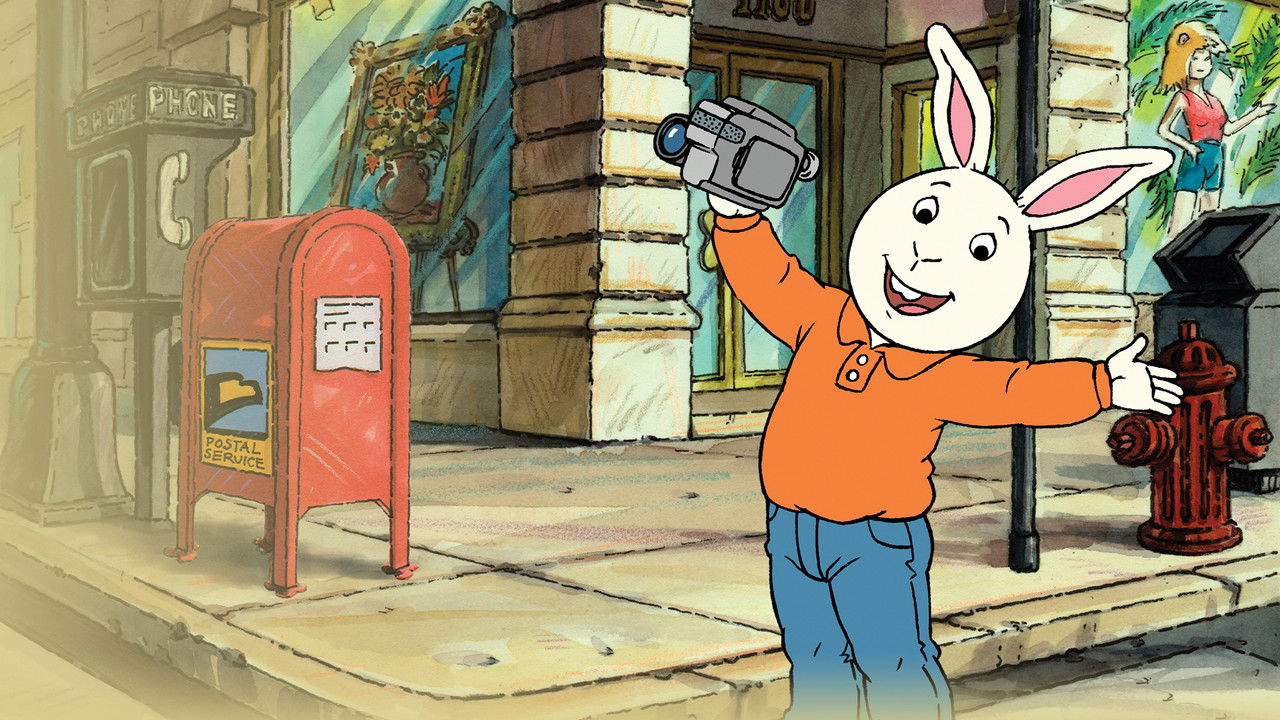

Postcards from Buster backdrop
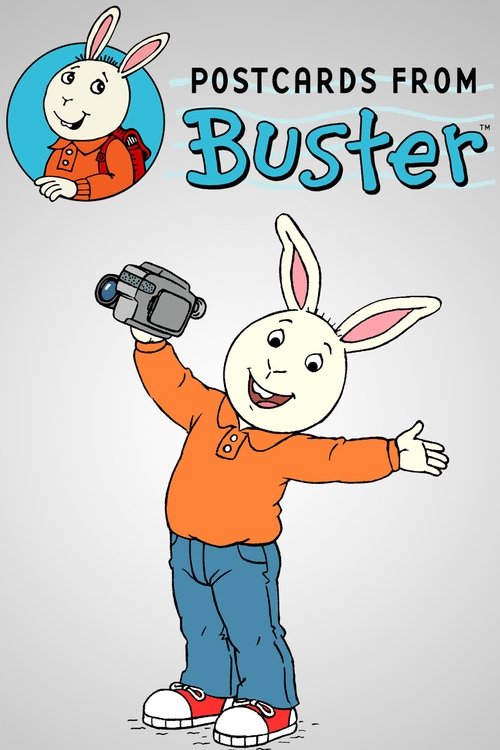
Postcards from Buster poster

Postcards from Buster

8.3
2004
4 Seasons • 57 Episodes
AnimationKids

Overview

Postcards from Buster is a children's television series for children aged 6–12, containing both animation and live-action that originally aired on Public Broadcasting Service. It is a spin-off of the Arthur cartoon series. The show stars Arthur's best friend, 8-year-old rabbit Buster Baxter. Inspired by a 2003 episode of Arthur entitled "Postcards from Buster", the television series was produced by Cinar and Marc Brown Studios. It first aired October 11, 2004, on PBS Kids Go!. Buster's interests include eating anything, reading comic books, and playing video games. Buster's personality is that of a fairly intelligent and curious child. He also believes that extraterrestrials are real. Buster's parents are divorced; in this series, Buster is seen with his father, Bo Baxter.

Sponsored

Cast

Reviews

AI-generated review
The Myth in the Fedora

It is easy to talk about *Raiders of the Lost Ark* as if it were only a polished throwback, Spielberg and Lucas dusting off the serials they loved as kids. That is true up to a point, but it undersells how exacting the movie really is. Spielberg is not just reviving an old adventure template here. He is tightening the whole grammar of the blockbuster, taking that matinee energy and giving it real mechanical force. The film is not merely about one man chasing relics. It is about what curiosity costs when it collides with history, myth, and power.

Indiana Jones facing down the idol room's intricate traps

What Harrison Ford gets exactly right is Indiana Jones's irritation. After Han Solo's cool remove, this role lets Ford play a man whose expertise regularly seems to annoy him. In the classroom, he looks rumpled, tired, faintly embarrassed by the ritual of academic authority. Once he is in the field, that sluggishness burns off and is replaced by competence that never feels glamorous. Indy does not glide through danger. He sweats, winces, improvises, and occasionally looks alarmed by the fact that this is his life. Pauline Kael calling the film a "machine-tooled marvel" still feels apt, but the marvel works because the person driving it always seems one step away from being overwhelmed by what he has uncovered.

The movie runs on a useful double identity. It is a treasure hunt, yes, but also a story about a world edging toward war while men scramble over an artifact tied to divine power. Set in 1936, it lets the political threat sit behind the action without slowing it down. When the Ark is finally opened and the light turns violent, Spielberg makes it feel less like a special-effects reward than like something unknowable tearing through a story that had, until then, obeyed the rules of guns, maps, and fistfights.

Marion Ravenwood holding her own in the Nepalese bar fight

Ford and Karen Allen give the movie a lot of its staying power. Marion Ravenwood never reads as a decorative sidekick. She comes in already shaped by hardship, and Allen gives her a wary toughness that makes the whole plot feel less airy. In Nepal, when she drinks the locals under the table and gets ready to defend herself with whatever is at hand, you understand immediately that she belongs in this world. Their history exists mostly in glances, pauses, and irritation, which is exactly why it feels lived-in.

Spielberg's pacing still feels almost unfair in how efficient it is. He keeps moving, but nothing feels tossed off. The set pieces push the story rather than stopping it dead. The Cairo sequence is a perfect example: what could have become sprawling chaos is reduced to clear physical beats and one brilliantly tired choice when Indy simply shoots the swordsman. The joke lands because it reveals character, not because the movie is showing off.

The terrifying, supernatural climax as the Ark is opened

The movie absolutely holds up, though maybe not only because of nostalgia or the force of John Williams's score. It lasts because it keeps the spectacle tethered to personal stakes. Even the ending, with the Ark disappearing into a warehouse of endless crates, does not feel triumphant. It feels deflating in a useful way, a reminder that truth and power are not necessarily things institutions will handle well. *Raiders of the Lost Ark* remains a great adventure movie, but also something quieter: an acknowledgment that some discoveries are too heavy to belong to any one person.